French President Emmanuel Macron and Prime Minister Narendra Modi share a strong personal chemistry. As India’s ambassador to France, I was witness to the very first meeting between the newly elected Macron and a Modi who was a political newbie in June 2017. Since then, the two leaders have met 20 times in both bilateral and multilateral formats. But of all the summit-level meetings between the two leaders, this one feels different. Is it because President Macron is on his last lap and wishes to leave a legacy behind? Is it because France and India are two proud middle powers reacting to geopolitical turbulence? Whatever the reasons, the two leaders decided to elevate the Franco-Indian strategic partnership to a “special” and “global” one.
Defence has always been the bulwark of the Franco-Indian relationship. But a systemic shift is on, which entails moving from a buyer-seller relationship to a partnership based on co-design, co-development and co-production of defence platforms and equipment. (AFP)
Defence has always been the bulwark of the Franco-Indian relationship. But a systemic shift is on, which entails moving from a buyer-seller relationship to a partnership based on co-design, co-development and co-production of defence platforms and equipment. While the procurement of Rafales will need further commercial negotiations, the bulk of it will be manufactured in India with significant local content requirements. The deals between SAFRAN, DRDO, and Bharat Electronics are also in the vein of Make in India projects. The inauguration of the final assembly line in Karnataka of the Tata-Airbus H125 helicopter is paradigmatic of the shift in Indo-French ties when it comes to defence.
India and France dedicating 2026 as the year of innovation is significant. It will establish close, substantive and irreversible linkages between the start-up and innovation ecosystems of the two countries and provide a common platform for the talent in both countries to come together on critical and emerging technologies, space and civil nuclear energy. The India-France Innovation Network will bring together the innovation ecosystems of France and India through a digital network, by connecting key stakeholders including innovators, start-ups, businesses and incubators of both countries.
President Macron is one of the key leaders at the ongoing India AI summit. France and India hold similar views on seminal issues surrounding AI relating to ethics, trust and inclusion. India, more than anything else, will be keen to avoid the pitfalls of a new divide caused by AI. How India handles the disruption caused by AI and how it disseminates the benefits of AI by scaling it, will hold important lessons for countries of the Global South. France and India have always stood for a third or middle path when it comes to tech and innovation. Against that backdrop, the partnership in AI will be vital for the world at large.
AI will need massive amounts of energy. In this context, cooperation on Small and Advanced Modular Reactors (SMR/AMR) between India and France and the joint commitment to apply the highest standards of safety, security and non-proliferation is important. The two leaders underlined efforts to strengthen cooperation between French start-up companies and relevant Indian companies in this sector. Separately, the two sides also agreed to explore the possibility of establishing cooperation in research and development on SMR/AMR between the French Alternative Energies and Atomic Energy Commission and India’s Department of Atomic Energy.
At a time when much of the world seems to be losing both the political will and the interest in the fight against the climate crisis, it is comforting to see both India and France devote substantial attention to the subject as part of their implementation of the Horizon 2047 road map. The world may lose interest in the matter; but India cannot afford to let up in its fight against the climate crisis. It must join hands with France to make its own cities breathable, liveable and sustainable.
This Macron visit must be situated in the larger context of India’s engagement with the European Union (EU). Indeed, both leaders underlined the importance of strengthening EU-India relations and welcomed not just the free trade agreement but also the security and defence partnership signed between the two sides. The two leaders agreed that this will contribute to the strategic autonomy of the EU and India.
The EU and India fancy themselves as independent poles in a multipolar world. They know that the fate of a genuinely multipolar world and a stable rules-based international order hinges on middle powers such as France and India joining hands. With France chairing the G7 and India leading the BRICS in 2026, there will be ample opportunities for both countries to work together to realise their common strategic objectives.
Mohan Kumar is a former Indian ambassador to France and currently dean/professor at OP Jindal Global University. The views expressed are personal.
>Hindustan Times, 4 February 2026
In US, EU trade deals, a 1991-redux moment
India’s negotiating strategy with the US, based on “no confrontation, no capitulation and continued conversation”, was the best one under the circumstances
Within the span of just one week, India may have succeeded in clawing itself back into the geopolitical sweet spot that it was so used to finding itself until 2024, and something that it regrettably lost in 2025. The much-awaited trade deal with the US, coming close on the heels of the Free Trade Agreement (FTA) with the EU, effectively rearranges the global order in ways that enhance geopolitical space for India even while offering significant strategic opportunities.
The deal with the US is in the interest of both countries. For India, it provides an opportunity to access one of the most important markets in the world. (REUTERS)
But first the context. The lack of a trade deal with the US was becoming more than a minor irritant. It acted as a huge strategic roadblock for India as the latter sought to fashion a multipolar world out of the current geopolitical turbulence. And while it did not jeopardise the whole of the India-US relationship at any stage, it did cast a pall of gloom over it. The trade deal has not come a day too soon, and both countries must now make haste to exploit the opportunities offered by the most consequential strategic partnership of the 21st century.
The details and the fine print of the trade deal between India and the US had not emerged at the time of writing this article. But it is hard to overstate the strategic and geopolitical implications of it. A preliminary assessment is given here.
The personal chemistry between Prime Minister (PM) Narendra Modi and US President Donald Trump was critical in both preventing the ties from collapsing earlier and in arriving at the deal now. Indeed, Trump said as much when he stated that “out of friendship and respect for PM Modi”, the two countries and he himself agreed to a trade deal. Modi warmly reciprocated that sentiment when he thanked his friend Trump for the “wonderful announcement”.
India’s negotiating strategy with the US, based on “no confrontation, no capitulation and continued conversation”, was the best one under the circumstances, and it bore fruit. India was patient and dignified. To be fair to Trump, he never criticised Modi. This helped matters in the end.
The timing of the deal, roughly coinciding with the arrival of the US ambassador to India, Sergio Gor, provides the envoy with a shot in the arm. He now has a tremendous opportunity to take ties to a whole new level. This is possible also because of the unique access and clout that Gor enjoys with Trump. Can a visit by Trump to India take place before too long?
The deal is fundamentally in the interest of both countries. For India, it provides an excellent opportunity to access one of the most important markets in the world and avail of cooperation in commerce, defence, technology, Artificial Intelligence (AI), and critical minerals, among others.
The Transforming Relationship Utilizing Strategic Technology (TRUST) initiative and Catalyzing Opportunities for Military Partnership, Accelerated Commerce & Technology (COMPACT) are both back on the agenda. India must push these initiatives forward.
The fact that the world’s oldest democracy and the largest one have fully mended their ties enables the US to send signals to China and others, ahead of the all-important talks between Trump and Chinese President Xi Jinping in April.
More broadly, the FTA with the EU, and now the trade deal with the US, offer India a unique 1991-redux moment. Two basic things are imperative.
One, India must make use of the present conjuncture to carry out deep-seated structural reforms that it has postponed so far. These are well-documented and relate, inter alia, to land, labour, agriculture, power, and investment.
Two, expose Indian manufacturing in the private sector to sustained and calibrated foreign competition so that they modernise, and play a more important part in contributing to our GDP. The FTAs will be meaningless without the above two imperatives.
PM Modi has said on multiple occasions that this is not an era of war. It is time India did its bit to bring the war in Ukraine to an end. Russia’s legitimate security interests must be protected; it must also be an integral part of any European security architecture. At the same time, Ukraine’s territorial and security interests must also be respected. That said, the onus is now clearly on Russia to bring this unfortunate conflict to an end.
The external geopolitical environment and the trade, investment and tech climate have rarely been more favourable than it is now for India. We cannot afford to squander this golden opportunity. The Union government could set up a task force to monitor and oversee the implementation of the trade deals we have arrived at, particularly the ones with the EU and the US.
The fundamental strategic weakness of India arises from one brutal fact: Its economic heft has not kept pace with its rising geopolitical clout. It is time to fix this once and for all. This also aligns perfectly with the government’s vision of Viksit Bharat and the laudable goal of becoming a $30-trillion economy by 2047.
We have seen now that the world is betting on India. India must justify the confidence reposed in it. We owe this both to ourselves and to the world.
Mohan Kumar is former Indian ambassador to France and Director General of the Motwani Jadeja Institute for American Studies at the OP Jindal Global University. The views expressed are personal
In a turbulent world, India and Europe provide an anchor
There is a temptation among some observers to attribute the timing and content of the India-EU Agreements above to the current security and defence strategy of the US. This would be a mistake
As a multipolar world takes shape, it is obvious that both India and the EU fancy pole position for themselves.
By Mohan Kumar
It is hard to overstate the importance of what the European Union (EU) and India have just accomplished. In one fell swoop, the two sides have concluded the long-pending free trade agreement (FTA), finalised a Security and Defence Partnership, zeroed in on a Comprehensive Framework for Cooperation on Mobility and decided on a Comprehensive Strategic Agenda for 2030. In a geopolitically turbulent world, these agreements lend a measure of stability not just to the two parties but also to the world at large.
The FTA was a long time coming. There were certainly substantive difficulties for both sides. For India, agriculture and dairy were non-negotiable, the auto sector presented political challenges, the country was not ready for discussion on environment, labour standards, government procurement, and so on. For the EU, agriculture exports were crucial, the prospect of auto exports to the third-largest market was mouth-watering and the mood in the European Parliament was in favour of environment and labour standards in FTAs. It is therefore commendable that both sides burnt the midnight oil to arrive at a mutually acceptable deal.
The EU is a $22-trillion economy with a population of 450 million high-income consumers. India may only be a $4-trillion economy for now, but it is the fastest-growing one. For the EU, India also offers a clear alternative to China in the medium term. The FTA delivers unprecedented market access for more than 99 per cent of India’s exports while preserving policy space for sensitive sectors. Sectors like leather, footwear, textiles, garments, marine products, medical instruments, gems and jewellery, plastics and chemicals should see growth in exports. The mobility partnership agreement is crucial for the movement abroad of Indian professionals, students and skilled workers. With a carefully calibrated opening of the economy, Indian manufacturing may be expected to become more competitive, and a much-needed surge in investment is likely.
It is nevertheless worth pointing out that India must continue to carry out deep reforms to get maximum mileage out of this and other FTAs. This FTA should also help India meet the regulatory challenges of the European market. More than anything else, it enables India to integrate into European value chains and attract significant FDI.
The Security and Defence Partnership is hugely significant. Hitherto, India has had substantial defence ties with European countries such as France on a bilateral level. The new deal provides an overarching framework for defence cooperation between India and the EU. This is happening at a time when the EU, partly under pressure from the US and concerns emanating from the war in Ukraine, is increasingly fashioning its own defence architecture. India can help in the task of building European defence, not just by trade, but also by actively participating in co-design and co-production of weapons systems and platforms and facilitating transfer of technology from Europe.
There is a temptation among some observers to attribute the timing and content of the India-EU Agreements above to the current security and defence strategy of the US. This would be a mistake. India and the EU have been negotiating for years now. They share values and beliefs, including strategic autonomy, a multipolar world, secularism, pluralism, democracy and tolerance.
The Joint Comprehensive Strategic Agenda (2030) is based on five pillars. The FTA will further the first pillar, prosperity. The second pillar of tech and innovation will require progress in the Trade and Technology Council, while the third pillar of defence will require implementation of the Security and Defence Partnership. The fourth pillar of connectivity will require advancing the India-Middle East-Europe-Economic Corridor, and the fifth pillar of people-to-people ties will benefit from the mobility partnership. Both sides have their work cut out.
India and EU have resembled two lovers who have taken their own sweet time to tie the knot. The fact that they have eventually come together is evidence of demonstrable compatibility and strategic convergence. As a multipolar world takes shape, it is obvious that both India and the EU fancy pole position for themselves.
The writer is a former Indian ambassador to France and currently dean/professor at O P Jindal Global University. Views are personal.
>Indian Express, Express Opinion, 15 January 2026
At CSPOC 2024, a crucial question: Can parliaments restore faith in democracy?
As India hosts the 28th Commonwealth Speakers’ Conference, global parliamentary leaders debate AI, social media, and new ways to rebuild democratic trust
This workshop must look at terror threats, security infrastructure, including cyber threats, amenities, allowances and facilities for the MPs
It is generally recognised by both knowledgeable experts and laymen alike that democracies today are traversing a difficult phase. The difficulty also arises from the fact that, at a time when the world’s problems are plentiful and appear daunting, global parliamentary cooperation among democracies could be better. It is against this backdrop that the Indian Parliament will get an opportunity to host the 28th Conference of Speakers and Presiding Officers of the Commonwealth (CSPOC) in New Delhi from January 14 to 16. India’s Lok Sabha Speaker Om Birla will chair the meeting attended by representatives of 53 Commonwealth countries and 14 autonomous parliaments from different parts of the world. The international conference will be inaugurated by the Indian Prime Minister on January 15.
The conference is confined largely to members of the Commonwealth. But the issues related to Parliament that it is likely to debate have a certain relevance far beyond the Commonwealth. Issues likely to be taken up include the role of Speakers and Presiding Officers in maintaining strong democratic institutions; use of Artificial Intelligence (AI) in parliaments; social media and its impact on Members of Parliament; and innovative strategies to enhance public understanding of parliament and citizens’ participation beyond voting.
It is worth recalling that the CSPOC was established in 1969 by the then Speaker of the Canadian House of Commons, and since its inception, it is Canada that has provided secretarial support for all its activities. It bears mentioning that the CSPOC is an autonomous entity with no formal affiliation with the Commonwealth Parliamentary Association, even if the membership of both fora is identical. Specific objectives of the conference include: Encouraging impartiality and fairness on the part of the Speakers and Presiding Officers of Parliaments; promoting knowledge and understanding of parliamentary democracy in its various forms; and developing parliamentary institutions.
The conference in New Delhi will have four workshops dealing with AI in Parliament, social media and its impact; innovative strategies to enhance public understanding of Parliament; and security and well-being of MPs. The first workshop on AI is relevant for any modern parliament. The challenge is to ensure that AI enables a better understanding of issues, rather than diminishing the discussion on critical issues to a mechanical procedure. If the MPs need to be given training in AI, that must be encouraged, no matter how hard this may sound initially. The discussion on this issue also comes at a good time since the global AI Summit itself is scheduled to take place in New Delhi in the middle of February. AI can be useful in providing vital data and statistics to enable a fruitful discussion, so it must be viewed positively by all parliamentary stakeholders.
The second workshop on social media and its impact promises to be an interesting one. It is hard to imagine an active MP not using social media these days. Particularly in a country like India, where most of the population is young, it is almost impossible to avoid social media. The Indian Prime Minister himself is an avid user of social media and has one of the highest followers in the world. Issues to be debated in this workshop may include veracity, authenticity, credibility and even the use of trolls. The point is this: It is not possible to avoid social media, so it is better to understand it and use it responsibly.
The third workshop is on the use of innovative strategies to enhance public understanding of the parliamentary process. It is hard to overemphasise the importance of this workshop. If parliament is indeed the temple of any modern democracy, it becomes vitally important to enhance public understanding through awareness, education and advocacy. A whole range of innovative strategies can be used for this purpose, ranging from audio-visual aids, allowing the public to observe live parliamentary proceedings, mock parliaments in schools and colleges, etc. A democracy can thrive only if it has the full support of the people, and this can be ensured only with public understanding of parliaments.
The last workshop pertains to the security and well-being of the MPs themselves. This workshop must look at terror threats, security infrastructure, including cyber threats, amenities, allowances and facilities for the MPs. Perhaps, the most important topic that will be debated by the special plenary session is the role of Speakers and Presiding Officers in maintaining strong democratic institutions. It goes without saying that Speakers and Presiding Officers play an important role in ensuring wide participation of MPs across the benches, fairness and impartiality, as well as ensuring order in the House. This can sometimes be a challenging task. This session gives an opportunity for all Commonwealth representatives to compare notes on this crucial topic. In conclusion, the 28th CSPOC will provide a valuable opportunity to exchange ideas, share best practices and look at adopting new methodologies to strengthen democratic institutions in some 53 countries belonging to the Commonwealth.
The writer is former Indian ambassador to France and currently dean/professor at OP Jindal Global University. Views are personal
>Hindustan Times, 15 October, 2025
After turmoil, time for a Sixth Republic in France
The Fifth Republic, which establishes the political ground rules of government in France, may have also outlived its utility.
A day after French Prime Minister (PM) Sébastien Lecornu announced his cabinet on October 5, he had to tender his resignation to President Emmanuel Macron — thereby earning the dubious distinction of being the premier with the shortest period served in France’s Fifth Republic. But, in a week that was bizarre even by French standards, Macron re-appointed Lecornu as PM on October 10 and tasked him with government formation and passing the national budget.
The Fifth Republic did not quite anticipate a situation where a President could be legitimately elected for a period of five years, but the parliament was not necessarily won by his political formation. (AFP)
It was Macron’s act of folly in June last year — when he called for snap parliamentary elections — that led to a hung parliament with a three-way split between far-Right, Left/far-Left, and centrist parties. Since then, three PMs have come and gone in quick succession. The political reality is that Macron’s centrist alliance does not enjoy majority support in the fractured French parliament.
Macron does not have too many options at this stage. In a final act of desperation, Macron re-appointed Lecornu to try and achieve consensus among the warring parties, with a view to pass a budget. If this gambit fails, the only course of action will be for Macron to call another snap parliamentary election. The trouble is another parliamentary election is unlikely to resolve matters. In such a scenario, it is quite conceivable that the far-Right party of Marine Le Pen, National Rally, emerges as the single-largest party in the parliament and claims the premier’s post. Macron will then have no alternative but to “co-habit” with a far-Right PM and accept that this will be the lasting legacy of his presidency. There have been calls for Macron to resign, but it is unlikely that he will heed these, at least for now.
A joke doing the rounds in Europe is that France has become Italy and Italy has become France, referring to the contrast between the relative stability and prosperity enjoyed by Italy under Giorgia Meloni and the political uncertainty and economic turbulence experienced by France under Macron. France has enormously high public debt, an unsustainable fiscal deficit, and a sovereign rating that has been downgraded recently. So much so, France’s overall rating is only ahead of Italy and Greece in the eurozone. Indeed, Moody’s has described Italy’s outlook as positive while describing France’s outlook as negative. For most French people, nothing could be more insulting.
Behind the politics of it all, lies the massive financial crisis that France confronts. Two substantive issues agitate the French mind at present. One, the issue of pension reform. In 2023, France passed a law to raise the retirement age to 64 years from 62 years, with the requirement that pensioners must have worked for at least 43 years. This was Macron’s signature reform pushed through parliament without a vote. This has never really been accepted by the French public and is being opposed by the Left/far-Left parties which now have serious clout in the parliament. Left to themselves, they will repeal this law. The second issue is the so-called Zucman tax (named after French economist Gabriel Zucman) — a wealth tax of 2% on persons with more than 100 million euros. This has found favour with the French populace but not with the Right. The bottom line is this: France must either accept an austerity budget with public spending cuts or find ways to tax the ultra-rich. At present, there is no political consensus to do either of the two things. Lecornu has already ruled out the Zucman tax, so it is hard to see what else he can do to keep the public debt and fiscal deficit from ballooning, other than resort to spending cuts.
The Fifth Republic which establishes the political ground rules of government in France may have also outlived its utility. It was conceived in 1958 when there was need for political stability, and gave the French president lot of power. The Fifth Republic did not quite anticipate a situation where a president could be legitimately elected for a period of five years, but their political formation did not necessarily dominate the French parliament. In the past, there were instances of “co-habitation” that worked, partly because presidents were larger than life and there was a spirit of compromise among French politicians. That political culture is long gone. It may be necessary to devise a Sixth Republic, with fresh rules of engagement for politicians and new definitions of the president’s powers. Whether France is ready for such a thing is another matter.
Amid all of this, one political party may gain the most. Unsurprisingly, it is Le Pen’s National Rally. It is a matter of supreme irony that while all the political stars seem to suggest that Le Pen could conceivably win the presidential elections due in 2027, the legal hurdles she faces from corruption cases may prevent her from contesting the very elections that she wants to win. But then, her protégé, Jordan Bardella, is well placed to inherit the mantle. The French certainly live in interesting times.
Mohan Kumar is former Indian ambassador to France and is currently dean/professor at OP Jindal Global University. The views expressed are personal
The prognosis for France remains dim. Macron’s legacy is in jeopardy and if the crisis endures, he could become a lame duck president for the rest of his tenure
French premier Francois Bayrou had no choice but to resign after he lost the confidence vote in the country’s parliament by a wide margin, with 364 votes against him and 194 votes in favour. The immediate provocation for the confidence vote was the austerity measures in the proposed budget, not to mention scrapping of a few holidays, eventually proving to be his undoing. But the problems in France run much deeper than austerity measures or the likelihood of a shorter holiday list. France’s fiscal deficit is 5.8% of its GDP — the third-highest in the Eurozone after Greece and Italy — and its public debt is 116% of its GDP. It is to deal with this twin problem that Premier Bayrou had sought expenditure cuts of 44 billion euros. This was opposed by the people at large and indeed street protests are planned.
The French will take to the streets and protest against any austerity measures, which Bayrou had suggested as part of the annual budget. (AFP)
French President Emmanuel Macron, whose popularity is now at an all-time low, had three choices before him. One, to dissolve parliament and call for snap parliamentary elections, something he did in June 2024, which solved nothing and for which he has paid a huge political price already. With the political parties as divided as they are now, it is hard to see how another election will defuse the crisis, much less lead to a solution. Two, Macron, perhaps to stun the French and wake them up from stupor, demit office and provoke presidential elections. Somehow, this goes against Macron’s personality, which left him with only one realistic option, that is to choose another premier. And that’s what he has done. One Tuesday, he named defence minister and close ally, Sébastien Lecornu, to succeed Bayrou as the prime minister. But given the stalemate in parliament, Lecornu, much like his two predecessors, may not necessarily last long.
The full-blown political crisis in France could not have come at a worse time. France, which has always lived beyond its means, now finds its fiscal deficit and public debt both ballooning out of control. The French, as is their wont, will take to the streets and protest against any austerity measures, which the deposed premier Bayrou had suggested as part of the annual budget. The protests, ominously called “block everything”, have every chance of widening into something bigger with people protesting against Macron’s proposal for a “European reassurance force” (along with Germany and the UK) in Ukraine, which would put French troops in harm’s way.
Russian President Vladimir Putin has already made his intentions clear with regard to any western troops stationed in Ukraine. The protests on September 10 may well be upwards of 100,000 in Paris alone. The French interior minister has promised severe action against those protesters who take the law into their hands. The possibility of street violence remains a concern.
Geopolitically, the French political crisis may be seen against the backdrop of a Europe that finds itself vulnerable on many fronts. The trade deal that was so assiduously worked out by EU Commission President Ursula Von der Leyen with President Donald Trump runs the risk of unravelling. Von der Leyen herself is under pressure from the Left parties calling for a no confidence motion against her, on issues like the green deal and workers’ rights.
And at a time when Europe ought to be united in their support for Ukraine, it is anything but. With France out of action, Germany must shoulder the burden when it comes to Ukraine or even ties with the US. Ties with China are scarcely better, with both the EU and China imposing punitive tariffs (à la Trump) against each other on electric vehicles and pork exports. With the EU facing a host of existential challenges, France appears missing in action.
The prognosis for France remains dim. Macron’s legacy is in serious jeopardy and, if the crisis endures, he could well become a lame duck president for the rest of his tenure till the summer of 2027.
Meanwhile, the far-right National Rally benefits from all of this and is literally waiting in the wings. Its leader, Marine Le Pen may be prevented from running for presidential elections in 2027, but her protégé Jordan Bardella’s popularity is growing by the day. Many in France are asking if Italy can do reasonably well with a far-Right leader like Giorgia Meloni, why not France under National Rally? This, of course, overlooks some fundamental differences between the two countries.
With the US in great churn, Europe in crisis mode, Japan in political upheaval and other G7 countries like Canada and UK facing socio-economic headwinds, it is fair to ask whether this is a moment of reckoning for the West.
Either way, we are clearly seeing the incipient stages of the making of a new world order. The only trouble is that the new world order promises to be fragmented, polarised and contested.
Mohan Kumar is a former Indian Ambassador to France and is currently Dean/Professor at OP Jindal Global University. The views expressed are personal.
>Newsweek, 31 August, 2025
Is India a ‘Tariff King’? Not Really | Opinion
By Mohan Kumar
Former Indian Ambassador and Director General of Jadeja Motwani Institute for American Studies, O.P. Jindal Global University, India
There is a widespread but fallacious perception that India’s tariffs are inordinately high. There are subjective factors when it comes to a country like livability, public courtesy, or even how foreigners are welcomed. But tariffs are quantifiable and there should really be no place for subjectivity. So, let us consider the facts in the case.
Before we do that, however, it might be useful for the average reader to know as to what function tariffs perform in a low-income developing country like India, as opposed to say, a high-income developed country like the United States of America. Traditionally, low-income developing countries use tariffs for two reasons: one, to protect their domestic industry and two, to gain revenue from it. Protection of domestic industry is an accepted argument by economists all over the world, especially if the industry is an infant one and the country needs to develop an industrial base. Then, there is the revenue gaining function, which is illustrative of a country’s duties on alcohol or luxury motorcycles, for instance.
The Indian national flag is pictured. Getty Images
India’s tariffs, which were high in the 1980s, were brought down significantly since the 1991 reforms were initiated and during the negotiations related to the Uruguay Round, which led to the establishment of the World Trade Organization (WTO). Since then, the secular trend in India has been one of gradual reduction of the applicable tariffs year after year.
From a technical point of view, there are two kinds of tariffs that countries have. One is applied tariffs, which as the name indicates is the actual tariff (normally ad valorem) imposed at the border when a foreign good enters a country.
The other one is bound tariffs, which is the maximum tariff that a country can impose on a foreign good from a legal obligation arising from its most-favored-nation (MFN) commitments to the WTO.
It goes without saying that the tariff war initiated by the U.S. is in violation of its commitments under the WTO agreements. But then, the WTO itself has been moribund for a while. It is also worth noting that tariffs cannot be the same for all countries. It is a truism that low-income developing countries will have higher tariffs (for reasons mentioned above) compared to G7 countries.
So, where does India figure in all of this? When India is judged on tariffs, there are two parameters which are used. One is simple average tariffs, and the other is trade-weighted tariffs. If you use the former metric, India’s tariff does seem high (15.98 percent). But this is in many ways academic because for most of the goods that come into the Indian market, it is the trade-weighted applied tariff that matters. And the trade-weighted tariff that India maintains is a very respectable 4.6 percent. This level of tariff gives the lie to claims that India is somehow a tariff king. Simple averages distort the picture since they treat all products alike regardless of the trade volumes. So, why is there such a big difference between India’s simple average tariff and its trade-weighted tariff?
India does maintain relatively high tariffs in agriculture and automobiles. In both these cases, the main purpose of the tariffs is to protect domestic industry. Agriculture in India is sui generis and like no other major country in the world. Around 50 percent of India’s mammoth population directly or indirectly depends on agriculture. Besides, agriculture in India is not mechanized and land holdings are so small that farming is about survival and not about commerce. Asking India to open its farm sector to imports is akin to asking it to commit suicide, which no elected government in India would agree to. This demand is especially egregious since Western farmers are beneficiaries of direct and indirect subsidies.
Given all of this, India does maintain relatively high tariffs for agriculture products, average rates of around 33 percent on meat, dairy, fruits, and cereals. But this is not surprising if you consider the fact that the European Union‘s average rate is 37.5 percent on dairy products going up to 205 percent, and up to 261 percent on fruits and vegetables. Compare this with Japan whose rate is 61.3 percent on dairy products, going up to 298 percent, and up to 258 percent on cereals, and 160 percent on meat and vegetables. Or South Korea, whose average is 54 percent on agricultural goods with 800 percent on vegetables, and 300 percent on fruits. Who is the tariff king in agriculture, you might ask? As for automobiles, this sector creates mass employment and is crucial for that reason.
Even India’s simple average tariff levels at 15.98 percent is in line with global norms for developing economies. Bangladesh (14.1 percent), Argentina (13.4 percent), and Türkiye (16.2 percent), which are all countries with comparable or higher GDP per capita, maintain similar or higher tariffs.
On the U.S. saying their exports of non-agricultural products face tariff barriers in India, it is worth noting that U.S. exporters often face equal or lower tariffs in India compared to many Asian peers. In electronics and technology for instance, India has 0 percent tariff on most IT hardware, semiconductors, computers, and associated parts, with average tariffs of 10.9 percent on electronics and 8.3 percent on computing machinery.
In comparison, Vietnam has a tariff of 8.5 percent on electronic equipment, going up to 35 percent. China has a tariff rate of 5.4 percent going up to 20 percent on electronics, and up to 25 percent on computing machinery. And Indonesia has a tariff rate of 6.3 percent on electronic equipment, going up to 20 percent, and up to 30 percent on computing machinery.
It is true that India maintains justifiable tariff protection for its agricultural, dairy, and auto markets for valid reasons. But its trade-weighted applied tariff in other sectors does not justify it being called a “tariff king” at all.
Dr. Mohan Kumar is a former Indian ambassador and is director general of the newly established Jadeja Motwani Institute for American Studies at the OP Jindal Global University.
The views expressed in this article are the writer’s own.
>Indian Express, 10 July, 2025
The BRICS Declaration reflects a united stand of the Global South
For India watchers, the issue in question was what kind of formulation would there be on terrorism. The leaders condemned, in the strongest terms, the terror attack in J&K that took place on April 22
Prime Minister Narendra Modi during a group photograph with BRICS members, partners and outreach invitees in Rio de Janeiro, Brazil, on Monday. (PTI)
The BRICS Summit took place in Rio de Janeiro under the chairmanship of Brazil on July 6 and 7, the first after the commencement of US President Donald Trump’s second tenure. Also, this is effectively the first BRICS summit with its expanded membership, which includes Egypt, Ethiopia, Iran, Indonesia, Saudi Arabia and the UAE. The leaders’ declaration is 125 paragraphs long and covers everyrelevant and important topic.
The fact that the BRICS leaders were able to come up with a declaration based on consensus is noteworthy. The bloc now comprises members of all hues and colours, and there was some talk before the Rio meeting that its diversity would prevent the forum from taking united positions on controversial issues. The declaration reflects the strong views held by the Global South countries on a range of issues. Their leaders arguably demonstrated more unity than the G7 leaders of the West, who met recently in Alberta, Canada. The BRICS leaders produced two specific statements: One on climate finance and the other on AI governance.
Before the summit, Trump had warned BRICS countries that if they took anti-American positions (for example, proposing an alternative to the dollar) they would attract additional tariffs. In the final declaration, there is no explicit mention of replacing the dollar, but serious concern has been voiced within BRICS about the rise of unilateral tariff and non-tariff measures that distort trade and are inconsistent with World Trade Organisation (WTO) rules. While the US was not named, there are no prizes for guessing the country in question. Perhaps, to balance things out, the declaration also talks of protectionism under the guise of environmental objectives threatening international trade: A subtle but indirect reference to the EU’s proposed Carbon Border Adjustment Mechanism.
Reforming the UN finds prominence in the declaration. Perhaps for the first time, however, China and Russia stated their support for the aspirations of Brazil and India to play a greater role in the UN, including the Security Council. Their support just falls short of explicitly endorsing the candidature of both countries for the permanent membership of the Security Council . The urgent need to reform the Bretton Woods Institutions and the WTO also finds a mention, including the restoration of the two-tier system of dispute settlement. On the conflict in Ukraine, the declaration basically recalls the national positions of all BRICS members while supporting the principles of the UN Charter. There is talk of allowing diplomacy and mediation to prevail.
It is the situation in the Middle East that elicits strong language from the BRICS leaders. Is it possible that this shift is due to the newly accepted member states, namely Egypt, Iran, Saudi Arabia and the UAE? The declaration expresses grave concern about the situation in the occupied Palestinian territory, the continuous Israeli attacks against Gaza and the obstruction of the entry of humanitarian aid. Describing the Gaza Strip as an inseparable part of the occupied Palestinian territory, the BRICS leaders exhort the parties to engage in good-faith negotiations to achieve an immediate ceasefire and the full withdrawal of Israeli forces from Gaza. They go on to endorse an independent Palestinian state comprising a unified West Bank and Gaza Strip.
For India watchers, the issue in question was what kind of formulation there would be on terrorism. The leaders condemned, in the strongest terms, the terror attack in Jammu and Kashmir that took place on April 22 and reaffirmed their commitment to combatting terrorism in all its forms and manifestations. In a clear victory for India, there are references to combatting the cross-border movement of terrorists and terror financing. This should strengthen India’s case against Pakistan at the Financial Action Task Force (FATF) meetings in Paris.
It is well known that the G20 forum is under some stress because of serious bilateral differences between the US and South Africa. Indeed, US participation at the G20 summit in Johannesburg later in the year is doubtful. In the light of this, the BRICS leaders reiterated their conviction that the G20 is the premier forum for international economic cooperation, while expressing their strong support to the South African presidency.
It is clear that BRICS has not pulled any punches in its final declaration. This is despite the absence of China’s Xi Jinping and Russia’s Vladimir Putin. Of course, the leaders of Egypt, Iran, Saudi Arabia and the UAE also did not show up, choosing to send their representatives. Still, it is a remarkable declaration with a lot of plainspeak on a range of important issues.
US Secretary of State Marco Rubio stated in February this year that it’s not normal for the world to have a unipolar power. He went on to add that eventually, a multipolar world would emerge. BRICS could not agree more with Rubio.
The writer is a former Indian ambassador to France and currently dean/professor at O P Jindal Global University. Views are personal
>Indian Express, 17 June, 2025
G7 can have another shot at being relevant. It needs to fill a vacuum in the international system
If Canada can take everyone else along, a good Leaders’ Declaration could emanate from the Alberta Summit. If that happens, the G7 would have delivered where other fora have failed
The G7 in its heyday was an extremely powerful grouping on account of its overwhelming share of the global GDP. (Photo/AP)
The G7 summit hosted by Canada in Alberta is taking place against the backdrop of geopolitical turbulence. Conflicts continue to rage in Ukraine and Gaza; the Israeli action against Iran has the potential to set the Middle East aflame. While the interim trade pact between US and China must be welcomed, it resembles more a temporary truce than a permanent deal. While a ceasefire is in effect between India and Pakistan, the Indo-Pacific remains on the knife edge, as evidenced by the recent manoeuvres of China in both the South and East China Sea. All major theatres of the world are experiencing turbulence of varying intensity and complexity.
The G7 in its heyday was an extremely powerful grouping on account of its overwhelming share of the global GDP. For instance, in the 1980s, the G7’s share of global GDP was almost 70 per cent. The share in 2024 is barely above 30 per cent. The main reason for this is that the economic centre of gravity has shifted from the West to the East, led by China but also because of countries like India. China is not part of G7. Neither is Russia. This does bestow some leverage on India, which practices strategic autonomy, follows an independent foreign policy and more broadly, represents the Global South. Until recently, the G7 was dismissed as “yesterday’s club”, especially after the formation of the G20. But a combination of geopolitical factors means G7 can have another shot at being relevant. This also has to do with the UN Security Council’s increasing powerlessness, the gradual irrelevance of WTO and America’s decision to pull out of the WHO and the Paris Climate Accord. The G20 (after an impressive showing by India under its presidency) is mired in difficulty for a variety of reasons. The G7 could fill a vacuum in the international relations system.
Canada has set three broad goals for the Alberta Summit. First, strengthening peace and security and countering foreign interference and transnational crime. Second, building energy security and accelerating the digital transition which includes fortifying supply chains of critical minerals and using AI and quantum to unleash economic growth. Third, catalysing private investment to build stronger infrastructure and creating higher-paying jobs. The G7 Chair (Canada) is responsible, inter alia, in setting the agenda for the year and for speaking on behalf of the G7. One can see its imprint in all the three agenda items. If Canada can take everyone else along, a good Leaders’ Declaration could emanate from the Alberta Summit. If that happens, the G7 would have delivered where other fora have failed. This is a singular opportunity for Canada to make a difference.
The invitation to India to attend the summit was a non-issue. It is hard to believe India, which has been part of 12 G7 Summits, could have been overlooked. In response to odd voices in Canada arguing against an invitation to Prime Minister Narendra Modi, the newly minted Canadian premier put it well: “As chair of the G7, it is important to invite the most important countries to attend to talk about issues such as energy, artificial intelligence, critical minerals, and India is really at the very centre of global supply chains.” PM Modi can bring his experience of attending five G7 Summits to the Alberta meetings. His bilateral meetings with the Canadian PM and other leaders will also be closely watched. It is also the first time PM Modi will be meeting world leaders after “Operation Sindoor” and he will get an opportunity to influence and gauge global opinion in this regard.
On Indo-Canadian ties, the fact of the matter is that India took the first steps to initiate a rapprochement with Canada. When Mark Carney was elected as Canada’s Premier, PM Modi made it a point to reach out and congratulate him. The foreign ministers of India and Canada spoke over the phone and committed themselves to improving bilateral relations. It is hoped by many well-wishers that PM Modi and PM Carney can hit it off when they sit together for a bilateral meeting in Alberta. The best possible and immediate outcome would be the quick reinstatement of high commissioners in both Delhi and Ottawa with substantial restoration of the strength of both diplomatic missions. Canada and India have too much at stake in the relationship to allow it to be derailed. The geopolitical uncertainty along with strategic turbulence means that both countries stand to gain enormously by not just restoring their ties to status quo ante, but also to chart a clear trajectory for taking the relationship to the next level.
Pakistan-sponsored cross-border terrorism is aimed as much at slowing India’s economic growth as it is at disrupting its communal harmony
It was an honour and privilege to be part of the multi-party delegation that toured Japan, the Republic of Korea, Singapore, Indonesia, and Malaysia. While it is not appropriate for me to share all the details of the interaction that we had, I can confirm a couple of things. One, every interlocutor we met understood and endorsed (implicitly, if not explicitly) our military response on May 7 to the horrific terrorist attacks in Pahalgam on April 22. India’s right to defend itself folowing the terrorist attacks was thus accepted. Two, there was no, repeat, no hint whatsoever of any attempt to hyphenate India and Pakistan. As one important interlocutor in ASEAN put it: “India is India. Pakistan is Pakistan. We do not equate the two.” Last, but by no means least, there was no traction for internationalising the so-called Kashmir issue. Yes, people wanted peace and wished for the ceasefire to last, but no one was seeking to internationalise the issue of Kashmir. It was largely accepted that this is something best sorted out by the two countries themselves. The issue of mediation by US President Donald Trump did come up, but more as a matter of curiosity than as a serious issue deserving scrutiny.
The Indian multi-party delegation outreach to the global community has proved that there is no traction for internationalising the so-called Kashmir issue (PTI)
Having got that off my chest, let me say what struck me the most. It was quite simply the fact that India presented a united front and spoke in one voice. This was noticed and appreciated by all and sundry. It also contributed to both the content and the effectiveness of the message that we were trying to convey, i.e., zero tolerance for terrorism.
Which brings me to a matter of national importance. It was clear to me as I sat listening to ministers, high officials, parliamentarians and think-tank representatives from various countries that there are broadly two categories of people with views and attitudes towards India. Many well-wishers want India to keep growing economically and seek legitimate access to our market. This is largely in alignment with our own national goal of Viksit Bharat by 2047. Some others are jealous and would like to see India dragged down. The latter category is mercifully in the minority and is best ignored by us.
The news about India likely to overtake Japan to become the third-largest economy in the world in three years emerged at the same time the parliamentary delegation’s visit happened. The delegation embraced this and drove home the point that India was committed to doing everything in its power to achieve, in the first instance, a $5-trillion economy and developed nation status by 2047. We made the point to our interlocutors that India’s economy was 11 times that of Pakistan’s and that states like Tamil Nadu and Maharashtra had already surpassed Pakistan in terms of overall GDP. It was important to recognise, we argued, that Pakistan-sponsored cross-border terrorism is aimed as much at slowing India’s economic growth as it is at disrupting its communal harmony.
The goal of Viksit Bharat is possible but will be made easier if there is a political consensus on the actions needed by India to achieve it. This charter for Viksit Bharat, as I have chosen to call it, could comprise the following elements on which it would be useful to have an all-party consensus.
The very first issue is one of national security. Kashmir, Pakistan-sponsored cross-border terrorism, and matters of defence are not meant for political negotiation. Just as we were able to put up a united front on the terrorist attacks in Pahalgam, it should be possible for all Indian political parties to come together on matters of national security.
The second issue concerns deep-seated economic reforms relating to land, labour, agriculture, infrastructure, and investment. Consensus among political parties will make it easier for our negotiators who are striving to defend our interests in free trade agreement negotiations with the EU and the US. These reforms are a matter of economic security and are imperative for India’s development goals. The point worth remembering is that national security and economic security are closely linked and one is impossible without the other.
The third issue is one of inclusive economic growth, which is a sine qua non for Viksit Bharat. It is not enough to become a $5-trillion- or even a $10-trillion-economy unless poverty levels come down considerably and there is a corresponding improvement in the per capita income. This is possible only if there is a singular focus on the disadvantaged and marginalised sections of our society.
The fourth issue is the need for political consensus on harmonious Centre-state relations. All states must buy into the economic reforms and the agenda for Viksit Bharat. States cannot be allowed to pull in different directions for it militates against the overall national goals.
The last issue is skilling and jobs for our youth, especially women. There is a vital need for an all-party meeting on the subject to adopt a national emergency plan of action based on political consensus.
The multi-party parliamentary delegation was a wonderful idea and it made me proud as an Indian to see the unity and purpose displayed by the honourable parliamentarians in defending our national security interests. If the same unity, strength of purpose, and sense of conviction can be brought to bear on some of the crucial issues outlined above, the goal of Viksit Bharat can and will become a reality.
Mohan Kumar is a former ambassador to France. The views expressed are personal
>The Hindu, 25 April, 2025
>Hindustan Times, 12 April, 2025
What Le Pen’s troubles mean for Europe’s rightward shift
Her party, National Rally, has close ties with the Dutch Freedom Party, Austria’s Freedom Party, AfD, and the Italian Northern League — all far-Right outfits
The worst fears of the French far-Right were confirmed when its most recognisable leader, Marine Le Pen, was convicted of embezzlement of public funds and handed a five-year ban on running for political office by a Paris criminal court on March 31. The French presidential elections are due no later than April 2027, and Le Pen was a leading candidate. Le Pen has tried thrice to be president and failed, so this was probably her last chance.
The prevalent view is that the ban on Le Pen seeking political office will lead to a surge in support for the National Rally, even catapulting them to power (AFP)
Le Pen’s conviction refers to a period when she was a member of the European Parliament from 2004 to 2017, and she was accused of hiring four fictitious assistants, including her own sister. Purely on the merits of the case, there is no doubt that Le Pen is guilty. But in the politically charged world of today, nothing that concerns the far-Right can ever be purely legal. So, the case has assumed political ramifications in France and elsewhere. Reactions to Le Pen’s conviction came thick and fast. The Kremlin’s spokesman accused European governments of violating democratic norms. Hungary’s Victor Orban said rather dramatically in French, “I am Marine!” Italy’s deputy prime minister (PM) spoke for the European far-Right when he said that the judgement was politically motivated. President Donald Trump called Le Pen’s conviction a “big deal”, saying she was the leading candidate before adding sarcastically that “it sounds like this country”.
Opinion in France on Le Pen’s conviction is bitterly divided. Supporters of Le Pen are convinced that this is part of a larger conspiracy to prevent the far-Right from attaining power. Consider the fact that Le Pen’s political party, National Rally, has the largest number of seats — 126 out of a total of 577 — in the lower house after the elections held in July last year. Le Pen has since reacted angrily saying that it is not just a case of her candidature being eliminated, but the disenfranchisement of more than 11 million French voters who support her and her party. The rest of the political spectrum, on the other hand, are taking the line that the judgement is evidence that the judiciary in France is independent and that no one is above the law. That said, France is on the edge, over how the sympathisers of National Rally will react.
Is this the end of the road for Le Pen? Well, there remains a narrow path for her to salvage her political future. She has appealed her conviction and if the courts decide by summer of 2026 to overturn her conviction, she will then be free to run again in presidential elections. Till then, she is free to remain as an MP. Her heir apparent is a young leader whom she anointed as the party president in 2022. Jordan Bardella is extremely popular among the far-Right electorate. Till now, conventional wisdom was that if Le Pen became the French president, then her PM would be Bardella. Now, some political pundits suggest that Bardella can lead the party to victory, and then, as President of France, appoint Le Pen as PM. There is a bit of rivalry between the two leaders, although Bardella has been careful to support Le Pen so far. Bardella, who does not have a college degree, is a political firebrand and comes from the most disadvantaged Paris district of Seine Saint Denis. Referring to Muslims in France, he has often said that French civilisation could die because of immigrants who will change customs, culture and “the French way of life”.
How will all this impact the French far-Right’s prospects in the presidential elections? The prevalent view is that it will lead to a surge in support for the National Rally, even catapulting them to power. But the French far-Right knows only too well that there is many a slip between the cup and the lip. Elections are months, if not a couple of years away.
In September 2022, Italians voted a far-Right dispensation to power, headed by PM Georgia Meloni. Since assuming power, Meloni has tried to play a balancing act between defending Italy’s interests and that of Brussels, not being shy to call the European Commission out. She is now close to the Trump administration and believes the EU must work out a modus vivendi with Washington rather than confront it, despite the tariffs.
With Italy already in the far-Right camp, if France lurches towards sharply rightward, it will be a big deal for Europe. That leaves Germany among the major European countries. Germany is grappling with the rise of the far-Right Alternative for Germany (AfD), which did extremely well in provincial elections held in September 2024. There have been calls to ban it altogether, but there is no consensus on the issue. US vice-president JD Vance met AfD leader Alice Weidel on the sidelines of the Munich Security Conference. Elon Musk is happy to part with money too, if AfD wishes. Should things change somehow in Germany, the far-Right would have achieved legitimacy in Italy, France and Germany–something impossible to ignore in Europe.
France’s National Rally maintains close ties with the Dutch Freedom Party, Austria’s Freedom Party, Belgium’s Flemish Interest, AfD, and the Italian Northern League — all budding far-Right outfits. With anti-immigration sentiment on the rise, increase in refugees from Ukraine and Syria, economic problems aggravated by a global downturn, and geopolitical turbulence unleashed by Donald Trump, the political ground is fertile for the rise of the far-Right in Europe, which is now a question of when and not if.
Mohan Kumar is former Indian ambassador to France, and dean and professor at OP Jindal Global University. The views expressed are personal
>Indian Express, 4 April, 2025
PM Modi’s Sri Lanka, BIMSTEC visits highlight India’s regional commitments
BIMSTEC offers a valuable opportunity to engage in bilateral meetings on the margins of the summit. The interaction between PM Modi and the Chief Adviser of Bangladesh Muhammad Yunus, if it happens, will be watched with interest
Prime Minister Narendra Modi has two important visits this month: One to the sixth summit of the BIMSTEC (Bay of Bengal Initiative for Multi-Sectoral Technical and Economic Cooperation) forum in Bangkok on April 4, and then a visit to Sri Lanka from April 4 to 6. The visits may be seen against the backdrop of the government’s Act East, MAHASAGAR (Mutual and Holistic Advancement for Security and Growth Across Regions) and Neighbourhood First policies.
The PM, who arrived in Thailand for an official visit on April 3, held talks with Prime Minister Paetongtarn Shinawatra, with both underlining the depth of the relationship rooted in historical, cultural and religious ties, and endeavouring to bring together India’s “Act East” and Thailand’s “Look West” policies.
BIMSTEC’s original aim was to accelerate economic growth and social progress in the sub-region through joint endeavours based on equality and partnership. The inclusion of Thailand and Myanmar is of strategic importance for India, given the emphasis it places on the development of the Northeast. The summit is expected to adopt the Vision 2030 document prepared by Thailand. It is aimed at building a prosperous, resilient and open (PRO) BIMSTEC by 2030 by promoting peace, stability and economic sustainability. The summit will also adopt the report prepared by the Eminent Persons Group (EPG), which includes recommendations to reform, revitalise, and repurpose BIMSTEC. There could also be a signing ceremony related to an agreement on Maritime Transport Cooperation.
The more difficult areas of cooperation lie in taking forward the framework agreement already signed for a Free Trade Agreement (FTA). Perhaps the leaders could provide an impetus by asking the negotiators to speed up discussions. India could take the lead in this. After all, it is the largest contributor to the BIMSTEC Secretariat’s budget. India also hosts two BIMSTEC centres: One for climate in Noida and another one for energy in Bengaluru. We have offered to host three more centres, relating to agriculture, disaster management and maritime transport. The PM has been personally committed to the BIMSTEC process aimed at promoting regional cooperation.
BIMSTEC offers a valuable opportunity to engage in bilateral meetings on the margins of the summit. The sixth summit in Bangkok will be no different. The interaction between PM Modi and the chief adviser of Bangladesh, Muhammad Yunus, if it happens, will be watched with interest.
PM Modi will then proceed to Sri Lanka. This will be his first visit after President Anura Kumara Dissanayake (AKD) assumed office last year. It will also be a follow-up to AKD’s state visit to India in December last year.
Sri Lanka is the lynchpin of India’s maritime strategy on its southern flank. One of the main items on India’s agenda will be energy cooperation. PM Modi will likely attend the signing of the Sampur Solar Power Project agreement in Trincomalee. This 120-megawatt joint venture between India’s National Thermal Power Corporation and Sri Lanka’s Ceylon Electricity Board not only addresses Sri Lanka’s energy security concerns but also positions India as a preferred partner in its green transition. The eventual goal is to establish electricity grid connectivity and a multi-product petroleum pipeline to enhance trade and investment ties. PM Modi will also travel to Anuradhapura, where India is executing development projects. India will thus seek to reaffirm its role as Sri Lanka’s primary and indispensable development partner.
The problem of Tamil Nadu fishermen who stray into Sri Lankan waters is a long-standing one. India will need some assurance that they will be treated humanely. A viable solution, such as deep-sea fishing as an alternative, also needs to be explored seriously. The discussions may also include the Trincomalee Oil Tank Farm. Talks have been going on to establish a joint venture to manage the tanks. The aim is to upgrade the existing facilities, refine crude oil and store it for the global market with the idea of making Sri Lanka a key player in international oil trade.
India and Sri Lanka must be fully aligned on mutual and regional security. AKD’s assurance during his visit, that Sri Lanka will not “permit its territory to be used in any manner inimical to the security of India… as well as towards regional stability”, is a solemn commitment that India welcomes and takes seriously. It will be crucial in sustaining the strategic partnership between the two neighbours.
The writer is a former Indian ambassador to France and is currently dean/professor at O P Jindal Global University. Views are personal.
It may sound like a cliché but relations between India and the Gulf do go back to a hoary past. For the purposes of this article, the Gulf will essentially mean the Gulf Cooperation Council (GCC) states comprising Bahrain, Kuwait, Qatar, Oman, UAE and Saudi Arabia. Indian sailors, merchants and intellectuals were used to travelling to the present GCC region and exchanged goods, ideas and skills. In many GCC countries, until recently, the Indian rupee was legal tender. When oil was discovered in the region in the 1930s, migration from India began as a trickle. This turned into a flood with the “oil boom” of the 1970s. There are currently 9.37millionIndianslivingandworkinginthesixGCCcountriesasofOctober2024. This constitutes over 50 percent of the total diaspora population in these countries. India also imports massive amounts of crude oil and gas from the GCC countries. Some accounts put this at over 50 per cent of our oil imports and over
70 per cent of gas imports. This is also the outcome of the GCC countries themselves turning to China and India for their oil and gas exports; after all, the economiccentreofgravityhasalsoshiftedtoAsia.
So, the relationship until the 2000s can be described as largely comprising manpower exports from India to the GCC and oil & gas imports from the GCC to India. This paradigm is changing, and this article will try and look at the future trajectory of this important India-GCC relationship.
Oil boom and population boom
Until the early 2000s, the relationship meandered aimlessly.TheIndianeconomyboomedafter1991throughtothe2000s,sowebeganimportinglargerandlargerquantitiesofoilandgasfromGCCcountries. The share of Gulf countries in India’s crude imports was over 50 percent. The oil boom in the Gulf was matched by the population boom in India. So, more and more Indians emigrated from India to the Gulf. A vast majority of these were from the state of Kerala, but there are signs of this slowing down, and other regions from India are now more and more represented in the GCC countries. (The author was India’s Ambassador to the Kingdom of Bahrain from 2010 to 2015 and was a witness to this.)
This expatriate community is quite distinct from the Indian diaspora elsewhere in the world. For one thing, these are Indian passport holders who are likely to remain that way because Gulf countries do not grant citizenship even for long-term residents. Second, because of the huge number of 9 million, the main burden of taking care of them falls on host countries. Indian diplomatic missions in these countries are quite small and are ill-equipped to handle thousands of our citizens. Third, the economic importance of this diaspora for the finances of the states they come from (Kerala, for example) is huge. Indianowranksasthenumberonecountryintheworldtoreceiveremittancesfromitscitizensabroad,andtheproportionofthediasporaintheGulfisquitesignificant. India received a whopping $111 billion in remittances in 2022, with Mexico in second place at just $51 billion. At least 40 percent, if not more, of this total remittance figure comes from the Gulf for India. The importance of remittances from the Gulf cannot therefore be overstated.
India has been smart to pursue and sign the Comprehensive Economic Partnership Agreement (CEPA) with UAE which went into effect in May 2022. The UAE is India’s third largest trading partner and bilateral trade is a little under $100 billion. The strategic bargain between India and UAE could also be that while India can seek energy security from
UAE, the UAE can seek food security from India, with investment in state-of-the-art food parks and processing facilities in India.
For the foreseeable future, the Indian diaspora in the GCC countries may be expected to grow, albeit more slowly than in the past. Migration from Nepal and Sri Lanka is growing at a much faster rate than from India, but anyone who has worked in the Gulf will tell you that Indians continue to be favoured over other nationalities for qualities such as hard work, being law-abiding and crucially, loyalty to the country in which they work. The author witnessed this during the tumultuous period of the “Arab Spring” when Bahrain went through disruption. I reached out to the vast Indian community in Bahrain and gave them the option to return to India if they wished. Almost no one availed of the offer, with all of them saying that they would prefer to stand by Bahrain at that hour of distress.
So for the foreseeable future, the oil (and increasingly gas) imports from the gulf and the manpower exports from India will continue to provide ballast to the economic ties, as they always have. Having said that, there is a paradigm shift in the relationship, which is discussed below.
It is the geopolitics, stupid
Until the 2000s, it must also be acknowledged that the “Pak factor” acted as a huge constraint for India to take its ties with the Gulf countries to the next level. Pakistan was well entrenched in the Gulf countries for a long time. The religion factor played a part too, but security for some of these monarchies meant that they depended on Pakistani soldiers as well. It took a long time for India and the GCCcountriestode-hyphenatethemselvesfromPakistan. A few fundamental factors were at work. The foremost among these was the growth registered by the Indian economy as the fastest growing in the world. The Gulf countries took note of this and sought a long-term relationship with India. In fact, long after China stops being a major oil importer, India will continue to import large quantities of oil and gas from the Gulf for the foreseeable future. Second, India’s geopolitical clout has begun to far outweigh that of Pakistan, and the gap is now noticeable and unbridgeable. Third, on the question of terrorism, where the Gulf countries were tone deaf to India’s point of view in the past, they have begun to appreciate the dangers of Islamic terrorism. Last, but not least, it is hard to overstate the amount of political capital spent by the Narendra Modi government and the Prime Minister himself on cultivating personal ties with the Gulf monarchs. The turning point may have been the invitation for the Saudi monarch King Abdullah to come to India in 2006 as the Chief Guest of our Republic Day celebrations. Since then, PM Modi has also gone to great lengths to cultivate ties with the UAE and Qatar monarchs.
While the India-GCC Free Trade Agreement (FTA) has been hanging fire for reasons beyond our control, India has been smart to pursue and sign the Comprehensive Economic Partnership Agreement (CEPA) with the UAE, which went into effect on 1 May 2022. The UAE is India’s third largest trading partner (after USA and China) and bilateral trade is a little under $100 billion. The CEPA is expected to provide a fillip to not just trade, but also to growing two-way investment. The strategic bargain between India and UAE could also be that while India can seek energy security from UAE, the UAE can seek food security from India, with investment in state-of-the-art food parks and processing facilities in India. Indeed, India’s Commerce Minister Piyush Goyal speaks of an India-UAE food corridor with an investment of $2 billion.
India is also increasingly involved in plurilateral groupings to promote cooperation between India and the Gulf, along with like-minded partners. The IMEEC (India Middle East Europe Economic Corridor) is one such. So is I2U2 (Israel, India, UAE and the US). India also has a trilateral involving the UAE and France. All these plurilateral groupings are of crucial importance and have the potential to be game changers in the evolving geopolitical landscape.
Dr Mohan Kumar is a former Indian Ambassador to France and the Kingdom of Bahrain.
He is currently Dean/Professor at O.P. Jindal Global University, Sonipat, India.
>Carnegie India, 27 March, 2025
Can Geopolitical Alignment Seal the India-EU FTA?
This article argues that the geopolitical circumstances have never been more conducive, not merely for the early conclusion of the free trade agreement (FTA) between India and the EU, but also for crafting a substantive and comprehensive strategic partnership.
by Mohan Kumar
Published on March 27, 2025
This publication is part of Carnegie India’s Practitioner Paper Series, which highlights the experiences of professionals from the world of politics, public administration, and business.
Introduction
Despite significant differences in the status of their economic development, it is fair to say that the European Union (EU) and India are often considered “middle powers” by geopoliticalpundits.1 This is admittedly less fair to the EU than it is to India. By the same token, it is argued by many that the EU and India have the potential to occupy independent poles in an emerging multipolar world. The fact that they are not yet poles is due to interesting and varying reasons. While the EU is incontestably an economic giant, it lacks commensurate geopolitical influence. As for India, while it may find itself in a geopolitical sweet spot, it has miles to go before acquiring serious economic heft.
Notwithstanding the above, there is a significant amount of strategic convergence between the EU and India. For starters, the notion of autonomy and independent foreign policy underpins strategic thinking in both the EU and India. It is easy enough to understand this for India. After all, the country was a leader of the nonaligned movement and is now a serious claimant to the leadership of the Global South. It is less easy to associate this with the EU. After all, the EU benefited enormously from the Marshall Plan and has the formal status of being the transatlantic ally of the United States, though at the time of writing, this allyship is under tremendous strain. Nonetheless, the EU has not always agreed with the United States on issues of war and peace, an example of which is the latter’s invasion of Iraq in 2003. With President Donald Trump having assumed office in the United States and having revealed his cards on Ukraine, the EU has been left astounded.
This article will argue that the geopolitical circumstances have never been more conducive, not merely for the early conclusion of the free trade agreement (FTA) between India and the EU, but also for crafting a substantive and comprehensive strategic partnership. Eventually, this should contribute to the emergence of the EU first and then India as strong poles in a multipolar world. Such a development is in the abiding interest of both the EU and India.
A History of India-EU Ties
While India was among the first countries to establish diplomatic relations with the erstwhile European Economic Community in the early 1960s, it was only in 2004 that the two decided to upgrade their relationship to a “strategic partnership.” But before that, India had decided to establish a strategic partnership with France in 1998 and Germany in 2000. This dichotomy between the commission based in Brussels and the individual member states in capitals such as Paris or Berlin continues to this day. The issue goes to the heart of the matter of the EU’s competences. There are areas of exclusive competence, shared competence, and competence to support the actions of the member states. This complex decisionmaking process has often led India to deal with member states, especially where it can. In practice, this meant that leaving aside matters of exclusive competence, such as customs union (tariffs), common commercial policy, and concluding international agreements, everything else was within the competence of individual member states. It is worth recalling that bilateral India-EU trade in 1980 was a mere €4.4 billion (approximately $4.8 billion or Rs 41,500 crore). By 2005, when the strategic partnership had already been established, it had increased to €40 billion (approximately $43.65 billion or Rs 3,78 lakh crore. For the year 2023–24, this had increased to €123.7 billion (approximately $134.98 billion or Rs 11,709 lakh crore), making the EU India’s largest trading partner.
At the seventh India-EU Summit in Helsinki in 2006, both sides recognized that “stronger economic engagement” would be “mutually advantageous” and agreed to aim for “a broad-based bilateral trade and investment agreement.” Negotiations in this regard began in June 2007 and covered the following areas: trade in goods, trade in services, investment, sanitary and phytosanitary measures, technical barriers to trade, trade remedies, rules of origin, trade facilitation, competition, trade defense, government procurement, dispute settlement, intellectual property rights (including geographical indications), and sustainable development. After fifteen rounds of negotiations in Brussels and Delhi, the talks were effectively suspended by 2013.
It is important to ask why the talks failed, for it may provide important lessons for the current negotiations. The main reasons for the failure were the following:
1. The political leadership on both sides did not get involved sufficiently enough, and things were largely left to the lead negotiators. Trade negotiators are distinct in significant ways. They are trained to focus on granular monetary calculations, and this trumps everything else for them.
2. Both sides allowed the best to be the enemy of the good. The EU was adamant about automobiles, spirits, and agriculture; India was pushing for mode 4, a stipulation concerning the movement of natural persons under the General Agreement on Trade in Services, and generally avoiding difficult concessions in intellectual property rights, government procurement, and sustainable development.
3. Compromise in trade agreements is largely a matter of timing. By 2013, India was heading to an election, and any serious concessions made to the EU would have become a political issue. For the European Union too, 2013 was an important year. Attempts were made to question the competence of the commission, and growth was negative for the euro area. Unemployment was high too. In this climate, the EU may have also found it difficult to grant India benefits in mode 4, for example.
4. Two big issues continue to bedevil trade negotiations between India and the EU. The first set of issues concerns government procurement as well as labor and the environment, which are inherently difficult for India. The second is India’s obsession with the policy space. Typically, India has acquired more policy space than it needs in trade negotiations, evidenced by the fact that even the policy space already acquired is not put to good use. This issue needs reconsideration at the highest level by India. For the EU, the bugbears are mode 4, an insistence on higher standards for intellectual property rights, and their desire to access the Indian agriculture market, the last of which is a sensitive subject in India.
That said, it is the author’s view that India lost more by not signing an FTA with the EU in 2013 than vice versa. It is undeniable that bilateral ties, especially when it comes to trade, are well below potential. This is because, at present, the only legal basis for bilateral trade and services between India and the EU is the most-favored-nation (MFN) principle ordained under the General Agreement on Tariffs and Trade, which is part of the World Trade Organization. The EU used to grant tariff preferences to India under the Generalised Scheme of Preferences (GSP), but it suspended them at the beginning of 2023. Countries like Pakistan, Bangladesh, and Sri Lanka, which export garments to the EU, get tariff preferences that India does not. On top of that, countries like Vietnam have already signed an FTA with the EU in 2019, which entered into force in 2020. Vietnam can therefore export to the EU under much more favorable terms than India. This has put India at a severe disadvantage. While it can and should push for GSP restoration, the more logical thing for India would be to sign an FTA with the EU.
India has embarked on a series of FTAs from 2021 onward after not signing any from 2012 to 2020. Prior to 2012, almost all of India’s FTA signatories were to its east, namely, the Association of Southeast Asian Nations (ASEAN), Singapore, Japan, South Korea, and Sri Lanka. One of the main reasons why India did not sign any FTAs from 2012 to 2020 is its mixed experience with the above agreements. If one takes the yardstick of Indian exports in particular, it was observed that India’s FTA partners exported much more to India than vice versa. The reasons for this are not difficult to fathom. One, Indian manufacturing is fundamentally uncompetitive, especially vis-à-vis East Asian economies, not to speak of China’s advantage in this regard. Moreover, there are serious nontariff barriers faced by Indian exports in these markets. This becomes relevant when Indian exports like buffalo meat and pharmaceutical products face serious regulatory delays and obstacles.
Furthermore, the motives for signing an FTA are not just to increase trade but also to seek more investment, which can allow the recipient country to be part of global and/or regional value chains. This is where India has failed. It would be wrong to blame the FTAs alone for this. The more important reasons have to do with India’s inability to carry out deep-seated reforms in land, labor, and logistics, which are the main drivers for attracting investment. Besides, India has yet to make the full transformation from red tape to red carpet for foreign investors. This was also the time when India did away with all the bilateral investment treaties (BITs) and failed to replace them with a predictable framework for foreign investors. The point to note is this: FTAs are only one part of the puzzle, and trade, investment, and value chains are all intrinsically linked—a weak link in one of these areas will jeopardize favorable outcomes in others.
After arguing until 2019 that it was generally against FTAs, India did a volte-face in 2021, when it embarked on a series of FTAs with countries to its west. The main ones were with the UK and the EU. There were a few reasons for this. By then, it had become obvious that FTAs were a necessity for promoting foreign trade and that relying on MFN status alone would not suffice, especially if India dreamed of becoming a $10 trillion economy. After all, 31.80 percent of India’s gross domestic product is made up of foreign trade. Second, it was felt that FTAs with the West were a better proposition for India since its manufacturing noncompetitiveness could be masked better vis-à-vis the Western economies. Third, India hoped to get on to the resilient supply chains being fashioned by the West, having missed out on the global value chains. Lastly, India hoped to benefit from a significant transfer of technology from the West while implementing FTAs with them. Its experience of acquiring technology from China or from East Asia has not been great.
The Current Status of India-EU FTA Negotiations
Having abandoned FTA talks in 2013, why did India and the EU agree to resume negotiations in May 2021 for a “balanced, ambitious, comprehensive, and mutually beneficial” trade agreement, besides launching separate negotiations on an investment protection agreement and an agreement on geographical indications? At the time it was launched, the two sides agreed to fast-track the talks with the aim of concluding them by the end of 2023. The motives were different for the EU and for India. For the EU, it was becoming harder and harder to ignore India as a potentially attractive market. Post pandemic, China was becoming problematic, and the EU started thinking of “de-risking” from China and diversifying its trading partners. And India fit the bill not just because of certain common values such as democracy, human rights, pluralism, and rule of law, but also the size of its market. As per a 2023 study by the European Jacques Delors Institute and the Observer Research Foundation, “all but one of the top twenty EU exports to India had seen a reduction in their share of Indian imports over the past decade, particularly following India’s signing of FTAs with Japan, South Korea, and ASEAN.” The report demonstrated that the Indian market offered significant opportunities for the EU in the future, particularly if an FTA can be concluded by the two sides.
For India, the EU is a significant export market and a serious origin for investment. However, Indian exports to the EU suffer from the absence of duty-free access, which countries like Vietnam, Bangladesh, Sri Lanka, and Pakistan enjoy. There is thus a serious case for India concluding an FTA with the EU. As for investment, the EU is one of the most important investors in India, with its stock being close to €100 billion (approximately $109 billion or Rs 9.46 lakh crore) in 2020. Given that India had done away with all the BITs by 2016, the negotiations with the EU on a stand-alone investment agreement assume importance.
A word on why it was considered necessary to have three separate negotiations on trade, investment, and geographical indications: this was largely in response to a request by the EU, which wanted the three separate tracks. One reason could be not to overload the negotiations, because the same people seldom negotiate trade and investment. The other reason could be that while the EU has exclusive competence on investment treaties, it does not have it in the case of investor-state dispute settlement provisions. The idea was not to let the FTA, where the EU has exclusive competence, be held ransom to other issues where the EU may have shared competence.
From July 2022 to September 2024, there have been nine rounds of negotiations on the FTA. There is also a detailed elaboration of the EU’s textual proposals on twenty-four different subjects. The reports are qualitative and do not necessarily reveal the sticking points. But they do give the reader an idea about overall progress. In a similar vein, there have been five rounds of negotiations on an investment protection agreement from June 2022 to June 2023. The fact that there have been no talks on the subject since June 2023 would seem to suggest that the talks are stuck. On geographical indications, there have been six rounds of negotiations from June 2022 to March 2024, and while an exchange of 200 products has been done, it was agreed that talks would resume after the Indian elections. This is yet to happen.
The sticking points from the Indian side, from all accounts, seem to be agriculture and dairy, government procurement, labor standards, sustainable development, and some crucial issues related to investment. By the same token, the above issues become important for the European side as well. In addition, the mobility of professionals, data secure status, and issues related to totalization assume importance for India and seem difficult for the EU.2 It will be interesting to see if India manages to conclude the FTA with the United Kingdom (UK) ahead of the one with the EU. In which case, the UK deal may become a “floor” while offering clarity about the concessions India can make at this point.
Conclusion
It is now clear that Trump has brought a wrecking ball to what is left of the liberal international order. The latest example of this is the public spat between him and Ukrainian President Volodymyr Zelensky in the White House. With transatlantic ties in tatters, a new and messy multipolar world is emerging from the ruins of the old order set up in the aftermath of World War II. Given the existential challenge posed to Europe by Trump’s geopolitical maneuvers vis-à-vis Russia in the context of the war in Ukraine and Chinese maneuvers, the timing may be right for the EU to seal an FTA with India. The EU’s strengthened partnership with India also enables strategic hedging followed by both these powers.
In an unprecedented move, the entire college of EU commissioners, led by President Ursula von der Leyen, visited New Delhi on February 27–28 to meet Indian Prime Minister Narendra Modi and his cabinet colleagues. Von der Leyen set the tone for the visit by saying that India-EU ties “have the potential to be one of the defining partnerships of this century.” She also argued for a “no limits partnership.” In a leaders’ statement, both Modi and von der Leyen agreed, inter alia, on the following points. Collectively, these could constitute the new roadmap:
1. Expedite the conclusion of an FTA by the end of 2025.
2. Take stock with relevant stakeholders to push for the connectivity initiative India–Middle East–Europe Economic Corridor.
3. Explore a bilateral security and defense partnership agreement.
4. Convene the meeting of the next EU-India Trade and Technology Council (EU-India TTC) at an early date.
After a substantial gap, the EU-India TTC met in Delhi on the margins of the von der Leyen visit and came up with a substantive joint statement. In his statement at the plenary session with von der Leyen, Modi identified eight concrete areas of priority cooperation. All the two sides need to do now is hunker down and get to work.
The geopolitical alignment between the EU and India is unmistakable. Transatlantic ties are under strain and the EU is seeking to de-risk from China. Amid these changes, India wishes to enhance its strategic space, which may be diminished by China’s advances as well as geopolitical uncertainty. If U.S.-induced geopolitical turbulence and an assertive China do not bring the EU and India closer together, nothing will. But von der Leyen may well be right; the planets appear to be aligned this time around.
Notes
1“Middle powers,” may refer to a group of states with significant diplomatic, economic, and multilateral influence—some with military strength—that are not the primary contenders in geopolitical competition. World Economic Forum, Shaping Cooperation in a Fragmenting World, White Paper, January 2024, https://www3.weforum.org/docs/WEF_Shaping_Cooperation_in_a_Fragmenting_World_2024.pdf.
2This is based on numerous conversations that the author had with negotiators and sources in the government.
Frontline Magazine – 21 February, 2025
WTO, as we know it, is finished: Mohan Kumar
Former Ambassador to France says we are looking at the dawn of a new organisation, which will be of a plurilateral nature.
Published : Feb 21, 2025 14:56 IST – 19 MINS READ
Mohan Kumar, former ambassador to France. | Photo Credit: By Special Arrangement
Mohan Kumar, a former Indian Ambassador to France, is currently Dean, Strategic and International Initiatives, and a professor of diplomatic practice at O.P. Jindal Global University. As India’s lead negotiator first at the General Agreement on Tariffs and Trade (GATT) and then at the WTO in crucial areas such as intellectual property rights, services, dispute settlement, and the environment, he has enormous expertise in the area of international trade and multilateral negotiations. He has served on multiple GATT and WTO dispute settlement panels.
This is an edited excerpt from an interview conducted after Prime Minister Narendra Modi’s visit to the US, where Mohan Kumar spoke about Indo-US relations, defence sales, and international trade and tariff concerns.
Prime Minister Narendra Modi has visited the US several times. Each time, the welcome was such that Indians felt their country was getting an equal place at the high table. That, however, was not the impression from this visit. In terms of optics, President Trump did not come to the portico to receive Modi like he did for the Prime Minister of Japan, Israel’s Benjamin Netanyahu, or even the King of Jordan. Is Trump trying to show India its place?
My brief answer is no. The other three leaders are allies of the US, so this is really the first major non-ally who has made a trip. The second point is that you really cannot divorce the way Trump is dealing with Modi with how he is dealing with, say, Canada, Mexico, the EU. Each leader brings to the White House a certain style. I don’t want to go by optics. To answer your question, it is very hard to see this meeting as anything other than a success from India’s perspective. We avoided disasters, in the sense there was no blood on the ground. Both leaders stayed with the script. As an ex-diplomat, for me that is crucial. The joint statement is substantive compared to the one in 2024. So, I have no reason to think this visit was anything other than a success.
One of the developments taking place during the visit was that undocumented Indian immigrants were being boarded onto a US military aircraft, shackled and chained, for their journey back to India. India has accepted that illegal immigrants have no place in another country, but it seems that either the Indian side did not take up the issue of transporting them humanely, or they asked and were told to lump it. What do you think actually happened?
There has been a shift, I concede that. But I would argue that this shift should have happened 15 years ago frankly. I mean, you had a whole ecosystem in India that was taking these people for a ride, for huge amounts of money. It was illegal. For the government of India to turn a blind eye, which is what previous governments did, was not something I was comfortable with. I am personally extremely happy that the current Prime Minister has chosen to say that illegal migration is not something India will support. More so, when you are saying we want legal migration to stay in place, H-1B, etc.
On the issue of shackles, my sense is that if we are being discriminated against compared to other countries, we should take it up. But if that is the procedure, then I don’t think we have too much scope for complaint. My sense is that [External Affairs Minister S.] Jaishankar raised it with [US Secretary of State] Marco Rubio. I think we’ve been telling them, listen, there are better ways to do this. But perhaps the time has come for us also to send aircraft to get these people. After all, you did that for your students in Ukraine and other places.
Security personnel escort Indian immigrants deported from the US as they leave the airport in Ahmedabad, on February 6. | Photo Credit: Amit Dave/REUTERS
But the episode reflects a complete lack of empathy about why these people actually go there. People like us can say we should only go on H-1B. But we as a country have not been able to provide jobs. It seems to me we are treating victims of a system as criminals somehow responsible for their own fate.
I agree in principle, but it’s hard to have empathy for someone who spends Rs.50 lakh (on the donkey route) because you could easily open a shop or do something with that Rs.50 lakh, be an entrepreneur. So, I don’t have sympathy because of the Rs.50 lakh factor. If you have somebody from Kerala or Telangana working as a maid in the Gulf, I would have more sympathy. This is far, far different. Many call their relatives in Punjab and say: “I have been picked up by law enforcement. Now I will get asylum.” That is
absolutely unacceptable. Because when somebody seeks asylum, the only way to justify it is by saying their life is under threat in Punjab. That is a lie. None of these people have any threat to their life. It’s a complex phenomenon.
I agree there are some strong push factors. But also, please empathise with the American government. Why do you think they should take all these people from India? This idea that I have no jobs and it is my right to bend rules and go somewhere as an economic migrant is a difficult argument in the best of circumstances, but in the world today, there is clearly an anti-immigrant sentiment. In the West, it becomes unsustainable.
Also Read | No room for a Vishwaguru
I just want to make the point that the US is supposed to be the land of the free and everybody is a migrant there. It is built on the labour of migrants. Obviously, there is an expectation of welcome, which is no longer there. As you said, the world is now loaded against migrants.
Not for illegals anyway. We will see what happens to legal migration.
There is no specific mention of legal migration in the joint statement, no specific mention of H-1B visas. Is that a sign of ambiguity? Within the MAGA (Make America Great Again) lobby, there is a divide between the techies led by Elon Musk and others who say even skilled migrants are not required.
Yes, there is a full-fledged debate on this issue. So, you don’t want a red flag by putting it in a joint statement. If I was the Minister or Secretary, I would be quite happy if there is an informal commitment saying we are the largest recipients of H-1B. I don’t want any guarantees in writing, especially in a joint statement, so I wouldn’t insist on that.
Secondly, I think there is a view in India too about how much political capital we want to spend on H-1B. How much capital should the Indian government spend on getting IITians to the Silicon Valley? What good does it bring to you? Also, why do you assume that things haven’t changed in today’s world? The most important change in the West is immigration. So, we will be affected. We should not expect status quo to continue and list it in a joint statement. That would be counterproductive. I’m just saying, there could have been some sort of informal understanding.
For a government that has made the Indian diaspora a political extension, a diplomatic extension, of itself, to be pushed back on this issue is something of a political setback. But going ahead, what would you say are the main takeaways from this visit?
A glance at the joint statement will tell you that the three priority areas were defence, commerce, and technology. The leaders have said that the US will expand defence sales. And co-production with India, that angle has got a new emphasis. One is the Javelin AntiTank Guided Missiles, which both sides have undertaken to produce in India, and the Stryker infantry combat vehicles. We may have F-35 as well, but I was interested in co-production.
The fact that the leaders explored not just US defence sales but also co-production tells me two or three things. One, specific items are mentioned. Second, it means some investment. And third, I assume that at least some technology will be transferred to India. India will have to keep pushing to make sure that co-production does not lag behind military sales. We are a major non-NATO ally, we’ve got strategic trade authorisation, there is now no limit on what they can transfer. So, it’s incumbent on us to make sure that military sales are more than balanced by co-production.
The other achievement, which has gone a little bit unnoticed in the Indian press, is that the two leaders decided to break new ground and sustain overseas deployments of the US and Indian militaries in the Indo-Pacific. I don’t think we had such a thing even from Quad or from previous visits to the US. That for me is huge because the definition of Indo-Pacific has posed a problem for India in the Indian Ocean because the US is so heavily invested in the Western Pacific. Since 2012 or so, there is a permanent Chinese presence in the Indian Ocean.
So, this emphasis on overseas deployments, on supply of maritime patrol aircraft for specific use in the Indian Ocean, it interests me because India has struggled a little bit. France has been our steadfast partner for Indian Ocean because France is a resident power and it has real estate in the ocean, Réunion islands, Mayotte, etc. So, this is a welcome addition. Quite bluntly, we simply do not have the naval firepower to dominate the Indian Ocean. As you know, the Navy receives the third funding after the Army and the Air Force. So, we are not capable of doing it. We need other powers. France helps us, and if the US can also help us, I see our hand being strengthened in the Indian Ocean.
Prime Minister Narendra Modi at a meeting with billionaire Elon Musk at Blair House in Washington, DC, on February 13. Union External Affairs Minister S. Jaishankar and National Security Adviser Ajit Doval also attended the meeting. | Photo Credit: ANI/MEAIndia-X
How does this play into our relations with China? Trump was effusive about his earlier relationship with President Xi Jinping. He also said China should mediate in Ukraine and that he would mediate between India and China. There is also the commitment to the Quad. All this mixed messaging, how is it going to help India in its relations with China?
That’s tough to answer because we don’t know how Trump is going to deal with China. But let me make two broad points. One is that Trump’s evolving relationship with Russia enhances India’s strategic space. However, as you rightly hint, how Trump deals with China will have a profound impact on India’s strategic options. There are three possible outcomes. One, Trump is giving out mixed messaging, but he’s got many China hawks and he’s going to proceed with the tariff war, and that can quickly deteriorate. So, relations between the US and China will get much worse before they get better. That by definition will strengthen ties with India because there is a good part of the US that sees India only through the prism of ties with China.
The second possibility is status quo; they both keep sparring. This too will not make a very big difference to India’s strategic space. The third possibility is the one which could worry India. Supposing there is a grand bargain, I am not saying it is necessarily true, but the grand bargain I can think of is three different spheres of influence, with the US wanting to dominate the Western hemisphere and the Western Pacific, leaving Russia its own sphere of influence in parts of Europe, and China its own sphere of influence in East Asia.
If China gets its own sphere of influence, that will create a massive detente between US and China, giving it an opportunity to be assertive on our border and in our neighbourhood. I think India will have no choice but to take a thaw in its relationship with China. We have to do strategic hedging, keep our options open. Of course, the Quad will remain. I think there will still be a distinction between maritime and land borders. Our problem will be the land border.
But if we are the only ones with land border issues, our deepening involvement in the Quad could lead to problems there. Which brings me to the F-35s that the US is trying to strong-arm us into buying. How do you see it fitting into our defence needs. How diverse can our aircraft get, and the sheer cost of $100 million apiece. So where is all this heading?
I can’t say whether we have conveyed to the US that in the medium to long term, just a buyer-seller relationship is not sustainable. Yes, they are expensive, but if you ask your ultimate clients, they are arguing we are massively short of aircraft. You talk to somebody in the Indian Air Force, they will say, please buy everything. We need it. Whether it is exaggerated, I don’t know. I would like to take them at face value. From that perspective, subject to whether we can afford it, it is not a bad thing. And I am always of the view that we should neither put all our eggs in the American basket nor in the French basket.
I see a very important statement that again has gone unnoticed, which is that both India and the US have said we need plurilateral partnerships. We have to think of innovative ideas, public-private partnerships, triangular or trilateral cooperations to make sure that we get technology transfer. As I said, I see some optimistic things in the joint statement about co-production. The Americans will also be interested in a long-term defence relationship with India.
The other area of concern, of course, is the Trump administration’s tariffs threat. With Modi by his side, Trump spoke of how bad India is about tariffs. There is also a new bilateral free trade treaty called Mission 500, to take bilateral trade to $500 billion. This means India will be buying more from the US because the trade deficit is against the US and Trump does not like that. What sectors in India do you think might get affected?
This is an important issue, and I will not conceal from you that it has every potential of becoming a bone of contention. It’s important to understand a few basics. One, there is an American Reciprocal Trade Agreements Act of 1934, I think, that is normally used to reduce tariffs and lower protectionist barriers and get other countries to reduce tariffs. Trump, as is his wont, is standing this Act on its head and trying to use it to increase tariffs.
By a strict reading of the American Constitution, only Congress can do this. So, it needs to pass muster and there could be some legal challenges. But let’s assume that Trump’s tariffs will stay. The total bilateral trade is $190 billion; Indian surplus is a mere $50 billion. As far as I am concerned, you buy something for $50 billion, you are in the clear. That is one part. However, India’s exports, which are traditionally textiles, garments, footwear, face 15 per cent tariffs. So, we do have some margin for manoeuvre.
The sectors most likely to be affected are pharma and generic pharmaceutical products. We are the largest generic pharma exporter to the US and the world. Second is textiles and garments, the third is steel. I believe pharma will be the most difficult one for Trump to touch because the Department of Government Efficiency [DOGE] is trying to reduce the cost of American government. Their healthcare system, some argue, is highly dependent on generic pharmaceuticals from India. So, I don’t see pharmaceuticals being hit with a tremendous duty.
Why do you think Trump gave a 30-day reprieve to Mexico and Canada? Because the stocks reacted negatively. If Wall Street reacts negatively, then nobody cares about money. He is a person who ultimately believes in the stock market and inflation. The one thing Trump cannot afford is inflation. So, I think we will be okay.
On textiles, I am not so sure. Some people believe even with an imposition of 2-3 per cent tariff, we can survive in the American market. Unlike the EU, where Vietnam exports textiles at 0 per cent and Sri Lanka and Bangladesh get concessions, in the American market India is broadly fine. Two areas where I have serious concerns. One is agriculture, where the Americans have a duty of roughly 4 per cent on agriculture products entering America; India has 39 per cent tariff, on average. That is an area which will be difficult for any government in India to handle. Second is areas like steel. It’s not the big steel manufacturers but the small and medium enterprises who will find it very difficult.
But I want to delink this issue from Mission 500. Mission 500 is about reaching $500 billion bilateral trade by 2030. Frankly, even if my exports go up from, say $150, $180 billion today to $250 billion, I am happy. If he wants balance, it must be $250 billion imports and $250 billion exports. I still think this business of getting equality with every country goes against the principles laid out by [the economist] Adam Smith. And it’s not sustainable. But we are in that world now.
That was the whole point of the WTO, right? That tariffs cannot be unilateral, they have to be negotiated, there are carve-outs for developing countries. He is taking a hatchet to all of that. But India, by meekly agreeing, is also letting go of its leadership, right? As an aspiring leader of the Global South, should we not be making a little more noise about it?
Now I respectfully disagree. China with 18 per cent world trade is not able to do anything. With 2.2 per cent of world trade, you want us to speak loudly. You can say you are the world’s largest democracy, etc., but the only thing that matters is the colour of money. We are a mere 2 per cent of global trade and 3 per cent in services. It is abysmally low. You want me to gather together the Global South and argue against Trump? That would be very foolish. Look at what China is doing. They are the ones who should be arguing against it. China in Trump 1 administration, whenever it got slapped with duties, violated WTO rules, and slapped reciprocal duties. That is what every country is going to do.
For your question about the WTO, my simple answer is, I think we are seeing the end of the WTO in its current form. I’m not saying the WTO will be finished, I’m choosing my words carefully. WTO as we know it is finished. What do I mean by that? International trade hitherto has been based on most favoured nation [MFN] principle. This is the exact opposite of what Trump is proposing now. Let’s assume that America wants a 5 per cent duty on ethanol coming in. That 5 per cent will apply to Brazil, India, any country in Africa, the very antithesis of MFN as we know it. If the major players decide Trump’s tariffs will be met by reciprocal tariffs, the MFN structure is finished. It will affect countries like India, which is a developing country and entitled to special and differential treatment, which means a certain degree of non-reciprocity. As a rich country, you may want to reduce tariffs from 20 to 10. You can’t expect me to go from 40 to 0 overnight. That is what differential treatment is. We are looking at the dawn of a new organisation. It is not going to be multilateral; it’s going to be a plurilateral trading system.
Also Read | Complex record
You have written in your blog that the joint statement lacks any mention of India’s UN aspirations. That is probably because Trump himself has no big love for the UN. So where is that going from here?
We have two choices. The first choice, as you say, is waiting for Godot. Keep waiting. [But] I have come up with an outlandish idea, which I am happy to share on your forum.
India must start with a few like-minded countries in the West and establish an international peace and security forum. For now, my membership, which is open-ended, would be the US, the EU, India. I would include the UAE, Saudi [Arabia], Japan, and Australia. We get together and at least start discussing major security issues of war and peace. Mentioning war and peace is my way of signalling that the United Nations Security Council (UNSC) is dead. Some countries like China vehemently oppose India’s membership in the UNSC. There is now a case for setting up a forum de novo because the UN I think is incapable of reform. I think India should start a very, very informal forum of international peace and security. I made this proposal only three days ago. You are the second forum where I say this. There is nothing to lose. What is the alternative for India? Keep waiting. That doesn’t make sense. If you can get five players, you will see traction. But getting these players is a lot of convincing that India has to do. I think enough of beating our chest and saying nothing is happening. If nothing is happening, why have anything to do with the UN? We should seriously start thinking of alternatives.
One last question. At Modi’s meeting with Elon Musk, the Indian side had the National Security Adviser, the External Affairs Minister, the Ambassador…. The Musk side had kids, partner, nanny. What did this convey?
With due respect, this is more a reflection of the American ethos than the Indian ethos. I don’t think any disrespect was meant. I am also unclear whether Musk met Prime Minister Modi in his capacity as DOGE head or as Tesla head. I agree the optics look strange. But if he decides to come with his kids and nanny, that is his prerogative. My sense is that we were fully prepared to discuss Tesla. I think maybe he didn’t want to discuss Tesla. And he couched it by bringing his kids and basically saying, I’m making a courtesy call.
Nirupama Subramanian is an independent journalist who has worked with The Hindu.
Paris AI Action Summit aims to establish sustainable AI solutions, co-chaired by France and India, addressing ethics, accessibility, and environmental impact.
The Artificial Intelligence (AI) Action Summit that began in Paris on Monday is only the third of its kind, the first having been held in November 2023 in the United Kingdom and the second in May 2024 in South Korea. The Paris Summit aims to collectively establish scientific foundations, solutions and standards for more sustainable AI working for collective progress and in the public interest. Co-chaired with India, the event builds on the advances made at the Bletchley Park Summit in November 2023 and the Seoul Summit in May 2024 and will draw on the expertise of a steering committee bringing together some 30 countries and international institutions to ensure inclusive and diverse contributions.
Attendees walk pass an AI Action Summit logo sign at the Grand Palais in Paris, France, on Monday, Feb. 10, 2025. France is set to announce a total of €109 billion in investment in artificial intelligence projects in the country by companies, funds and other sources over the coming years, President Emmanuel Macron said on the eve of a two-day AI Action Summit.. Photographer: Nathan Laine/Bloomberg (Bloomberg)
The fact that the AI Action Summit is co-chaired by France and India assures the presence of Prime Minister (PM) Narendra Modi by the side of French President Emmanuel Macron in Paris. The joint presence of France and India is more than just symbolic. When the French President was in India as the chief guest for the Republic Day celebrations in January 2024, the two leaders had a chance to discuss AI in their bilateral talks. Recognising the evolving landscape of technology, both leaders underlined the imperative for effective multi-stakeholder collaboration to ensure the development of safe, secure and trustworthy AI. There is thus a joint Franco-Indian commitment to enhance Collaborative AI for Global Partnership to promote equitable access to critical AI resources.
The Paris AI Summit is expected to come up with the following deliverables: One, the creation of an AI foundation to equip developing countries with open-source AI tools based on less powerful AI systems, funded to the tune of 2.5 billion euros over five years. Two, the presentation of 35 “convergence challenges” showcases the impact of current AI systems in sectors such as health care and climate change adaptation. Three, a multilateral agreement on the environmental impact of this technology is expected to be signed at the end of the Summit. Fourth, the completed International AI Safety Report: 100 independent AI experts from around the world have released the first-ever International AI Safety Report, and it is expected to be presented in Paris. Backed by 30 countries and the OECD, UN, and EU, the report summarises the state of the science on AI capabilities and risks, and how to mitigate those risks. It will help to further a common understanding of the risks posed by general purpose AI systems.
The Paris Summit could not have come at a better time. It takes place against the backdrop of the storm unleashed by DeepSeek and at a time when regulators the world over are struggling to cope with dramatic developments that are unfolding in the field.
Three fundamental issues relating to AI have come into sharp focus. The first is open-source versus closed-source AI. Open Source AI refers to systems where the code is freely accessible to the public. This transparency allows anyone to examine, modify, and contribute to the software, fostering collaboration and collective progress. Closed Source AI, on the other hand, keeps the code proprietary, only accessible to the developers or the company that created it. This restricts outside access or modification, giving the company full control over the software’s development. These differing levels of access and control define much of the current strategies within the tech industry.
The second issue surrounds the ethics of AI. Ethics may have to do with algorithmic bias, discrimination in AI applications, consent over data, surveillance and monitoring (invasion of privacy) and finally, legal accountability. A basic question is how to fix ethical responsibility for AI.
The third issue is that behind the brilliance of AI lies an energy-intensive process with a staggering carbon footprint. As datasets and models become more complex, the energy needed to train and run AI models becomes enormous. This increase in energy use directly affects greenhouse gas emissions, aggravating climate crisis. According to Open AI researchers, since 2012, the amount of computing power required to train cutting-edge AI models has doubled every three months.
By 2040, it is expected that the emissions from the Information and Communications Technology (ICT) industry will reach 14% of the global emissions, with a majority of those emissions coming from the ICT infrastructure, particularly data centres and communication networks.
These data demonstrate the urgent need to address AI’s carbon footprint and its role in environmental deterioration.
France and India are well-positioned to tackle the above challenges. First, they are both on the same page when it comes to ensuring democratic access to AI, working for ethical AI, and ensuring a low-carbon pathway to its future development.
France and India are uniquely placed to promote high-tech and AI as a force for global good. The key question is whether it is possible to develop a trustworthy AI. France is a developed country that has many innovations to its credit. India, while a developing country, has demonstrated through its digital stack that it can develop and absorb the latest in high tech. The Paris AI Action Summit, co-chaired by French President Macron and PM Modi, may well turn out to be seminal in its impact.
Mohan Kumar is former Indian ambassador to France and is currently dean at OP Jindal Global University. The views expressed are personal
Sri Lankan President Anura Kumara Dissanayake’s maiden visit celebrates India’s neighbourhood-first policy
New Delhi is not only commemorating Sri Lanka’s remarkable democratic comeback but also reaffirming its commitment. A country cannot choose its neighbours; it can only choose friends. India is lucky to have Sri Lanka as both.
The newly elected Sri Lankan President Anura Kumara Dissanayake (AKD) is on his maiden visit abroad, to India. The visit will conclude on December 17. This is in line with his predecessors who invariably visited India as the first port of call after getting elected. India will no doubt roll out the red carpet to President Dissanayake as testimony of its neighbourhood-first policy. The visit is significant for a variety of reasons, not least because it comes against the backdrop of regional turbulence and global incertitude.
Sri Lanka has shown remarkable adherence to its democratic roots and to its pluralistic polity. It is easy to forget that as recently as 2022 the “Aragalaya” protests overwhelmed Sri Lanka. At the time, Sri Lanka’s future looked uncertain, if not bleak. The people of Sri Lanka deserve enormous credit for bouncing back in dramatic fashion and giving the lie to doomsdayers. Comparisons are now routine between what happened in Sri Lanka and what did not in Bangladesh.
The election of AKD who belongs to the JVP (Janatha Vimukthi Peramuna), a Marxist-Leninist party with a violent past, is even more impressive. After all, the JVP carried out insurrections twice against the government of the day, first in 1971 and second in 1989, which resulted in hundreds of people dying in Sri Lanka. The party in the past was also viscerally opposed to India and the peacekeeping force (IPKF) that we sent to the island in the Eighties. For such a party to reinvent itself, fight the presidential election in September and win it handsomely is no mean achievement. As if that were not enough, the coalition he heads — the National People’s Power (NPP) — also swept the parliamentary election in November, securing a thumping two-thirds majority. The JVP, once considered a fringe party, has come full circle and a good part of the credit should go to AKD.
Two things about the political ascent of AKD and NPP are noteworthy. One, his coalition NPP received tremendous support from the Tamils of Sri Lanka. This is significant since it may represent the coming of age of the Tamil electorate which has been disillusioned with Tamil political parties. Two, the victory of AKD and his coalition is also a rejection by the Sinhalese electorate of the mainstream political parties such as the UNP and the SLFPP. AKD, in that sense, has completely reconfigured the political landscape in Sri Lanka. That said, the challenges facing AKD and his government are daunting. People’s expectations are sky-high, so AKD knows he has to deliver and do so without delay. AKD has been tempering people’s expectations by saying he does not have a magic wand and that he will need time and the cooperation of all concerned to deliver results.
It is useful to recall that India’s External Affairs Minister S Jaishankar was the first high-level foreign dignitary to call on AKD in Colombo in October, less than a fortnight after the latter’s remarkable victory. Many people may not be aware, but Jaishankar served as First Secretary (Political) in the late Eighties in Colombo and has a profound understanding of the island’s complex politics. He carried a personal invitation from PM Modi to AKD and this was crucial in paving the way for AKD to make his maiden international trip to Delhi. During the visit, Jaishankar conveyed to the new Sri Lankan government that payments for seven completed Line of Credit projects amounting to $ 20 million could be converted to grants. This assumes significance, given Sri Lanka’s pre-emptive sovereign default in 2022 on all its foreign debt amounting to $ 50 billion.
Advertisement
AKD’s visit will provide an opportunity for PM Modi to establish a personal rapport with AKD. PM may also be expected to convey to the Sri Lankan leader India’s firm commitment to the financial stability and economic development of Sri Lanka. The best long-term bet for both countries is for Sri Lanka to secure regional economic integration with South India. On the ethnic issue, India supports the aspirations of all communities in Sri Lanka including Tamils, even while maintaining the unity, territorial integrity and sovereignty of Sri Lanka. In return, the Sri Lankan leader can reaffirm that its territory would never be allowed to be used in a manner inimical to India’s security interests. The issue of fishermen from Tamil Nadu straying into Sri Lankan waters is a perennial problem which needs mutual understanding. Infrastructure projects such as the Kankesanthurai Port and the Trincomalee Oil Tank Farm may be reviewed for progress. While the north-western and northeastern flanks of India attract maximum attention, the southern flank is just as important, given the huge maritime stakes that India has in the Indian Ocean. Sri Lanka is the lynchpin for India’s maritime security within the framework of its SAGAR (Security and Growth for All in the Region) policy.
As India rolls out the red carpet for AKD, not only is New Delhi celebrating Sri Lanka’s remarkable democratic comeback but also reaffirming India’s neighbourhood-first policy. It is said a country cannot choose its neighbours; it can only choose its friends. India is lucky to have Sri Lanka as both its neighbour and friend.
The writer is former Indian ambassador to France and currently dean/professor at OP Jindal Global University. He was joint secretary (BSM) and India’s deputy high commissioner to Sri Lanka in the late Nineties. Views are personal
>Hindustan Times – 7 December, 2024
Left-Right tango leaves France in governance limbo
The political crisis in Paris could not have come at a more inopportune moment for the country and Europe
In retrospect, the French President, Emmanuel Macron, took a huge gamble in calling for snap parliamentary polls in July this year. That act of political folly has unleashed a train of events which now seem clearly beyond his control. The supreme irony is that it is to precisely take back political control that Macron was tempted to go to the electorate in July. The results of that election are too well known to bear any repetition here. The resultant three-way split in the French parliament, with no political faction enjoying a majority, is what has led to the present crisis.
Protesters take part in a demonstration as part of a day of nation-wide strikes and demonstrations called by unions representing civil service agents, as part of a day of action and strike in the public sector, in Strasbourg, eastern France, on December 5, 2024. Civil servants in France are mobilizing on December 5, 2024 for a day of action and strikes called by public service unions to open up a social front in the midst of a political crisis, the day after Michel Barnier’s government fell on a motion of no-confidence. (Photo by Frederick FLORIN / AFP) (AFP)
Macron may have thought he bought himself valuable time when he appointed the experienced Michel Barnier, of Brexit negotiations fame, as the prime minister of a minority government. But he probably did not reckon with the leader of the far-Right National Rally, Marine Le Pen, who, having emerged as the “queenmaker”, pulled the plug on the Barnier government by supporting a motion of no-confidence on December 4 in the French parliament. Barnier now has the dubious distinction of being the premier for the shortest possible time in French history. For President Macron, it is back to square one and he will have to look for another premier without any delay.
At the root of all this was the budget for the forthcoming year. France has lived beyond its means for several years now. What this means in technical parlance is that the French fiscal deficit as a proportion of Gross Domestic Product (GDP) has ballooned out of control. The Maastricht Treaty of 1992 prescribes three per cent of GDP as the upper limit for fiscal deficit for States that belong to the European Economic and Monetary Union. The French fiscal deficit is projected to be over 6% for the current year, attracting disciplinary proceedings from the European Commission in Brussels. Barnier, in all fairness, did the sensible thing in his budget which is to suggest 40 billion euros in spending cuts and 20 billion euros in tax increases. This would have brought down the fiscal deficit to 5%, still a long way from the 3% prescribed by Brussels. The Left parties had made it clear that they would vote in favour of the no-confidence motion. The million-euro question was what would Marine Le Pen do?
In the event, she too voted in favour of the no-confidence motion thus sealing the fate of the Barnier government. It is important to analyse the political motives behind this. The National Rally may have only 142 seats out of a total of 577 seats in the French parliament, but with no other political dispensation enjoying an absolute majority, no bill can be passed unless the Macron party joins hands with the extreme Left, which they are loath to do. It is not as if Barnier ignored the claims of Le Pen in his budget proposals; on the contrary, he did put off the electricity price increase in deference to Le Pen. So, what then were the motives of Le Pen? Well, for one thing she desperately wants to win the French presidency next time around. But she is under investigation by the European Union (EU) parliament on charges of embezzlement. If indicted, she could be prevented from holding office for five years — the verdict is due in March next year. If she can force Macron to resign and advance the presidential elections, she can have one last shot at the presidency. She is also flexing her muscles as a Eurosceptic and signalling to her constituency that she is against EU-inspired austerity measures that will affect the purchasing power of ordinary citizens.
President Macron finds himself in a soup. He has ruled out resigning, saying he was voted in by the French till 2027. The most probable thing he will do, therefore, is to find a replacement for Barnier. That is not going to be easy because there is no guarantee the next premier will not face the same fate as Barnier. And should that happen, Macron will face immense pressure to resign and call for fresh presidential elections.
His preferred option, therefore, will be to hang on somehow, even with a technical government, till July next year, when he can again call for legislative elections.
Why is the budget such a big deal in France? Well, the average French person has a degree of entitlement and expectation from the government that is unparalleled in Europe. They get generous pensions, retire earlier than most others in Europe and are entitled to an annual vacation which is the envy of all. Above all, they expect the government of the day to rein in inflation, keep unemployment in check and provide free health care and education. To say this is a tall order for any government in the world today would be an understatement.
In terms of geopolitics, the political crisis in France could not have come at a worse time. For one thing, it comes close on the heels of the crisis in Germany. France and Germany are really the locomotive of the EU and the fact that they are both in a state of crisis does not bode well. This comes at a time when the conflict in Ukraine is delicately poised. There is also the impending Trump presidency in the United States. The EU risks being absent from the geopolitical scene at a crucial juncture for the global order.
France has a reputation for being ungovernable. French politicians seem to be doing everything they can to ensure that their country lives up to that reputation.
Mohan Kumar is a former ambassador to France and is currently dean/professor at OP Jindal Global University.The views expressed are personal.
>360 info – 15 November, 2024
What India can expect from second Trump presidency
New Delhi will have to contend with opportunities and challenges across a host of issues once Donald Trump is in the White House.
Donald Trump’s second stint as US president is perceived by the strategic community in New Delhi to be beneficial for India. : Trump White House Archived Flickr
Author Mohan Kumar
EditorsChandan Nandy 360info Commissioning Editor
Chris Bartlett Deputy Editor, 360info Asia-Pacific
DOI10.54377/fbed-c255
There must have been a collective sigh of relief within India’s foreign relations establishment when Donald Trump took an unassailable lead over Kamala Harris in the presidential elections.
The implications of any new American presidency for the world are normally profound. But in a world characterised by strategic turbulence and two wars (between Russia and Ukraine and Israel and Hamas), the geopolitical implications of a Trump presidency will be analysed to death over the coming weeks.
Three questions are crucial. Is the world likely to be more or less peaceful as a result of Trump’s ascendancy? Will the US become more inward-looking or choose to be an interventionist? And will the US deal with China, its main strategic rival?
For India, the critical issue is how a Trump presidency will affect what has hitherto been routinely described as the most consequential strategic partnership of the 21st century.
Modi and Trump’s ‘connection’
In 2019, Prime Minister Narendra Modi was upbeat in Houston, Texas, where he told a crowd that his government had “connected well” with Trump. In the same breath, he foresaw a Trump re-election in 2020, which, of course, was not to be.
However, Trump 2.0 will pose both opportunities and challenges for US-India relations, especially across trade, immigration, military cooperation and diplomacy.
Even as public pronouncements by both the Joe Biden and Narendra Modi establishments waxed eloquent on this partnership, serious strains appeared over the fallout of the alleged assassination attempts on US-based Sikh activist Gurpatwant Singh Pannun and recent political developments in Bangladesh.
All eyes, certainly in New Delhi, will be on how the Trump presidency, which will assume office in January 2025, deal with these two thorny issues.
Advantage India?
Trump’s re-entry into the White House is actually perceived to be beneficial for India by New Delhi’s strategic community.
This is because India may feel there will be no undue emphasis on the Biden presidency’s insistence on values-based diplomacy and there will be broad strategic convergence on terrorism and Islamic fundamentalism.
Modi is also said to have close personal chemistry with Trump, which is no small factor.
Soon after it was clear that Trump would be America’s 47th president, Modi took to X, saying he was “looking forward” to strengthening India-US relations “across technology, defence, energy, space and several other sectors”.
But India will come under pressure on the trade and industrial policy fronts. Trump has always called India an abuser of trade rules and has sometimes even equated India and China on this score. So, India must be prepared for concessions in this regard.
America’s ties with China also impact its relationship with India. Inasmuch as the US sees India as a counterweight to China in Asia, any rapprochement initiated by Trump with China will impact the strategic options for India and vice versa.
The recent slight thaw in Sino-Indian ties may be seen against this backdrop, when this has already led to “scepticism” in Washington as a consequence of the settling of New Delhi-Beijing differences and military disengagement along the Line of Actual Control (LAC).
It is still unclear what this would mean for the US-led Quad and the Indo-Pacific that were originally aimed at countering China’s economic and military power.
The Biden administration was cautious with India’s deepening of ties with Russia, especially in the backdrop of the recent BRICS summit in Kazan where non-Western countries were keen to engage with Russia which remained strategically important as a supplier of military hardware and energy.
The Russia factor
The Russia-Ukraine war and US’ “decisive action” against 19 Indian companies for their alleged roles in “supporting Russia” in the conflict, by way of supplying “dual-use” equipment, has to some extent soured Washington-New Delhi relations.
However, much will depend on what considerations Trump will be prepared to make in the face of the Indian position that the “transactions and companies are not in violation” of domestic laws.
The most interesting thing to watch will be how Trump deals with China. Trump is unpredictable so he could either get tough with China at the risk of provoking the latter into retaliating or be the greatest dealmaker vis-à-vis Xi Jinping to prove to the world he is a statesman.
On its part, China is averse to unpredictability, so it cannot be too thrilled with a Trump victory. China, it is safe to say, will also think twice before making a military move on Taiwan, chiefly because it is impossible to predict how Trump will react in the circumstances.
As for the wars in Ukraine and Gaza, Trump is on the record saying he could end the Ukraine war “in a day”.
The European Union fears that this could play into the hands of Russian President Vladimir Putin, but Trump thinks he can get the better of Putin like no one else can. Either way, it may be time for a diplomatic solution in Ukraine.
On Gaza, Trump may be expected to lend support to Israel and thus Benjamin Netanyahu, but he is shrewd enough to understand that continuation of war is not in America’s interest. So, he may urge Netanyahu for a ceasefire deal and may probably enjoy more success than Biden did.
The future of India-US ties, during Trump’s second stint in the White House, will draw heavily from the bilateral relationship that was in place in his first presidency.
There are friction points – on immigration and trade – but much will depend on Trump’s “transactional bilateralism”. Besides, any “softening” of the US stand on Russia will likely benefit India on the diplomacy and geopolitics fronts if not on trade and related economic issues.
All things considered, with the Trump presidency there will never be a dull moment – either on the global stage or in US-India ties.
Professor Mohan Kumar is Dean, Strategic and International Initiatives, at the Jindal School of International Affairs, O.P. Jindal Global University, Sonipat, Haryana.
Key megatrends shaping the future include state efficiency, rising inequality, moral decline, climate failure, geopolitical tensions, and global instability.
With the world witnessing cascading strategic turbulence, it is sometimes easy to miss the important megatrends playing out. Here is an attempt to list the most important megatrends which will have a lasting impact on our lives in this century and the next.
The world is seeing a return to total war. Incessant, multi-theatre war appears to be a painful reality. (AP)
One, the State will play an inordinately crucial role in determining whether countries succeed or not. Only those countries which have an efficient State, which is uncontested and which creates an enabling policy environment, have a bright future. Countries which have an inefficient, corrupt and contested State are at a severe disadvantage in today’s world characterised by resilient supply chains and strong regulation of critical minerals, Artificial Intelligence and quantum computing.
This year’s Nobel Prize for economics has gone to Daron Acemoglu and James Robinson who presciently wrote a book entitled, Why Nations Fail. Their thesis is simple yet powerful. It is the quality of institutions in a country that are decisive. Emerging countries need to take note and assess the quality of the judiciary, bureaucracy, central bank etc that they have and take proper remedial measures.
Two, the world is becoming more and more unequal. Today, 71% of the world’s population lives in countries where inequality is rampant. The average income of people living in North America is 16 times higher than that of people living in sub-Saharan Africa. This degree of inequality is not just unsustainable; it is actually a recipe for economic and social strife.
Three, nations appear to have lost their moral compass. Forget individuals, even nations have started blurring the distinction between right and wrong. There was hitherto general conviction that the arc of the moral universe may be long, but it eventually bends toward justice. That seems no longer to be true. Witness the war in Ukraine, the conflict in Gaza and the forgotten conflicts in sub-Saharan Africa.
Four, the World has all but lost the battle against climate change. Any hope that global warming in the world can be restricted to less than two degrees Celsius, compared to pre-industrial times, stands completely dashed. Worse still, there is still no credible attempt by the rich countries to raise climate finance for less developed countries or to widely disseminate green technology to combat climate change.
Five, there is a raging geopolitical battle between the United States of America and China for the mantle of the superpower in the 21st and 22nd century. But the irony is the outcome of this battle may be decided by geoeconomics. So, industrial policy is back in vogue and states such as the US, China or even the European Union are planning to spend billions of dollars on subsidies to state-owned and private enterprises to ensure their competitiveness and dominance in critical and emerging technologies of tomorrow. China’s re-emphasis on state owned enterprises, America’s Inflation Reduction Act and the European Union’s Carbon Border Adjustment Mechanism (CBAM) are all evidence of geoeconomics. Unfortunately, all of this puts the developing and least developed countries at a severe disadvantage.
Six, just as individuals have become self-centred and selfish, so have nations. The motto seems to be every country for itself. With global solidarity virtually non-existent, it is small wonder that multilateral cooperation is at a discount.
Seven, the Sustainable Development Goals (SDGs) launched with much fanfare by the United Nations in 2015 with clear targets to be achieved by 2030 lie in tatters. The UN secretary general has stated bluntly that only a meagre 17% of the SDG targets are on track. He has added that in a world of unprecedented wealth, knowledge and technologies, the denial of basic needs for so many is outrageous and inexcusable. Simply put, SDGs will not be achieved, even partially, by 2030.
Eight, since the post World War II period, this is arguably the first time that there is no global hegemon on the scene to orchestrate global affairs. The US lost that title when the unipolar moment ended abruptly around 2008. Since then, what we are seeing is a jostling for power and influence, primarily between the US and China on the one hand, but also other middle powers such as Japan, India, Brazil, ASEAN, Australia etc getting into the act on the other. This makes for a messy multipolar world which is crying out for some commonly agreed rules of the road. However, there are reasons to believe this messy multipolar world will endure for a while.
Nine, the global population is either expected to decline or remain stable through the period from now to 2100. The only exception is Africa which is estimated to grow from the present population of 1.3 billion to a whopping 4.3 billion by 2100. This has enormous implications for issues such as governance, immigration, food security and of course, poverty.
Ten, the advent of Artificial Intelligence could be a game changer. But like all inventions it could impact the man in the street either positively or negatively. Hence the need for State regulation on the subject.
And finally, the world is seeing a return to total war. Incessant, multi-theatre war appears to be a painful reality. While the major wars rage in West Asia and Ukraine, there are forgotten conflicts in Sudan, Myanmar, Yemen and Haiti, to name a few. According to the Peace Research Institute Oslo (PRIO), the number of state-based conflicts in 2023 was the highest since 1946. The West Asia and North Africa regions have more than 45 armed conflicts. Indeed, the past three years have been the most violent the world has ever been in the last three decades.
Taken together, the above megatrends have the effect of making our world unpredictable, unaccountable, unsustainable and unequal. For statesmen and policymakers, the challenge cannot be tougher.
Dr Mohan Kumar is a former Indian ambassador to France and currently dean/professor at O.P. Jindal Global University. The views expressed are personal.
From India’s point of view, the implications of a second Trump presidency relate, first and foremost, to purely foreign and strategic policy perspectives, Trump is good for us.
Donald Trump has just won the most geopolitical of all American elections. This was a bitterly fought election in a highly divided nation. Kamala Harris came in far too late in the race, and Trump beat her fair and square. For Trump and his supporters, this will feel like a vindication of the election that they believe was stolen from them in 2020. Trump’s speech to his supporters is nevertheless a good beginning. He said he would help America heal and vowed to fight for every citizen.
FILE PHOTO: Republican presidential nominee and former U.S. President Donald Trump gets on stage to deliver remarks during a rally at Lee’s Family Forum in Henderson, Nevada, U.S. October 31, 2024. REUTERS/Brendan McDermid/File Photo (REUTERS)
It is, however, hard to overlook the fact that this election was fought over substantial differences on issues such as democracy, economy, immigration, women’s reproductive rights, trade, and, more broadly, geopolitics. The two candidates could not be further apart on all these issues. If Harris felt this election was a do-or-die thing for democracy, Trump felt the same way but from a different direction. He wanted to be sure that this time the election would not be “stolen” from him. On the economy, the people seem to have bought Trump’s arguments more than Harris’s. On immigration, Trump was seen as more likely to defend voters’ interests than Harris. Women’s reproductive rights probably mattered less than what the Democrats thought. Would it be right to say that the United States (US) was not ready for a woman president, a woman of colour at that? Less plausibly, did race and misogyny play a hidden part in the outcome? Analyses over the next few weeks may throw some light on this.
The Trump presidency will impact geopolitics most profoundly, starting with the transatlantic relationship and the future of the North Atlantic Treaty Organization (Nato). Both the European Union (EU) and Nato dreaded a second Trump presidency, but now that it is a reality, it remains to be seen how both will cope. Second, there is the war in Ukraine. Trump has boasted that he will bring the war to a halt in a matter of hours. The EU will see this as playing into Russian president Vladimir Putin’s hands. Suffice it to say that while Ukrainian president Volodymyr Zelenskyy dreaded a Trump presidency, Putin may well be rubbing his hands in glee. Third will be the raging conflict in West Asia. While Trump may be inclined to support Israel and Benjamin Netanyahu, he is shrewd enough to realise that the continuing war in Gaza is not in America’s interest; a number of Arab Americans would have voted for Trump in the hope that he would bring the conflict to an end. Fourth, the matter of America’s ties with China — Trump will struggle with two conflicting objectives: One, wanting to be seen as very tough vis-à-vis China and two, being the pragmatic statesman who makes a smart deal with China’s Xi Jinping. Which one will prevail? Fifth, on the question of international trade, there is genuine worry that Trump may wreak havoc. The World Trade Organisation (and its director general Ngozi Okonjo-Iweala) may not survive another Trump presidency. Trump has this crazy notion of a “reciprocal trade act” that would impose punitive tariffs not just on foes like China but also on friends such as the EU and India. Finally, will Trump dismantle the Inflation Reduction Act that the Biden Administration passed? Also, will Trump completely withdraw the US (the second biggest emitter of CO2 emissions after China) from the battle against the climate crisis?
From India’s point of view, the implications of a second Trump presidency relate, first and foremost, to purely foreign and strategic policy perspectives, Trump is good for us. Indeed, the strategic community in New Delhi was secretly hoping that he would prevail against Harris. The logic is that there is likely to be less hectoring about democracy and values, greater strategic convergence, and, of course, Prime Minister Narendra Modi’s own personal equation with Trump is a major factor. However, from a purely trade and industrial policy perspective, India should be ready to face pressure. Trump has already described India as a big abuser of its soft trade policy. Worse, he sometimes talks of India and China in the same breath. Indeed, India should watch out for whether Trump ends up doing a grand bargain with Xi, implausible as it may seem. Should that happen, India’s strategic space will shrink in unexpected ways, which is why India’s recent rapprochement with China makes eminent sense.
Trump has a reputation for being disruptive. Disrupt he will, but the question is, can a world characterised by so much strategic turbulence already, deal with more disruption? We will soon find out.
Mohan Kumar is a former Indian ambassador to France, and currently, dean/professor at OP Jindal Global University. The views expressed are personal
>Vientiane Times – 11, October 2024
India’s Act East Policy: A decade of deepening engagement with the Indo-Pacific
It is exactly a decade since the “Act East Policy” was launched as a diplomatic initiative by India. Initially seen as an upgrade to the erstwhile “Look East Policy”, the policy of “Act East” has now come into its own to which the Indian Prime Minister Modi is deeply committed. ASEAN is at the heart of India’s Act East Policy that has now been dovetailed into its wider Indo-Pacific vision. India’s summit-level engagement with
ASEAN began in 2002 and this year the twenty first summit level engagement will take place in October 2024. PM Modi has participated in the last 9 Summits, the maximum for any Indian PM and during his watch, the ties were upgraded to ASEAN-India Comprehensive Strategic Partnership. At the last Summit in 2023, PM Modi made three separate announcements: an ASEAN-India Fund for Digital Future; India’s support to ERIA (Economic Research Institute for ASEAN and East Asia) as its knowledge partner of USD 1 million over the next ten years; and the opening of a diplomatic mission in Timor Leste. India now takes active part in ASEAN’s external engagement in forums such as East Asia Summit, ADMM Plus, ASEAN Regional Forum and the Expanded ASEAN Maritime Forum. The Leaders-led East Asia Summit forum is among the most vital parts of the ASEAN frameworks. The forum is supported by Ministerial level meetings including in Foreign, Economic, Energy and Education. India shares with ASEAN the fundamental objective to build mutual trust and confidence as well as reinforce an open, transparent, resilient, inclusive, and rules-based regional architecture with ASEAN at the centre that upholds international law. It therefore goes without saying that ASEAN is a crucial pillar of India’s Act East Policy and an integral part of its vision for the wider Indo-Pacific. India also believes that a strong and unified ASEAN plays an important role in the emerging dynamics of the Indo-Pacific. Indeed, India strongly supports ASEAN centrality and endorses the ASEAN Outlook on the Indo-Pacific. PM Modi has in fact invited ASEAN countries to join our Indo-Pacific Oceans Initiative (IPOI); the emerging convergence between ASEAN Outlook on Indo-Pacific and our own IPOI can provide an enduring basis for ASEAN-India strategic cooperation. The basic parameters of our ties with ASEAN can be said to hinge on commerce, connectivity, culture, climate change and digital public infrastructure. On trade and commerce, negotiations must be completed on reviewing the ASEAN-India Trade in Goods Agreement in 2025 so that stronger supply chains can be built to mutual advantage.
Prime Minister Shri Narendra Modi inaugurates the new campus of Nalanda University.
Connectivity projects between India and ASEAN must also be expedited. On climate and digital public infrastructure, India has set up funds, namely, ASEAN-India Green Fund and ASEAN-India fund for Digital Future. Education is yet another important area of cooperation. The ASEAN-India Network of Universities faculty exchange programme, Master’s and PhD fellowship at Nalanda University continues apace. More than 300 students from ASEAN member states have already benefitted from scholarships at Nalanda University. India and ASEAN members also cooperate closely under various sub-regional mechanisms like the Mekong-Ganga Cooperation and the BIMSTEC. India and other countries have expressed full confidence in ASEAN unity, centrality and cohesion. This is something that only ASEAN themselves can ensure, and they will be doubtless aware of the strategic stakes involved. India has been the first responder when it comes to Humanitarian Assistance and Disaster Relief (HADR), the most recent example being Operation Sadbhav where India delivered emergency supplies to those affected by Typhoon Yagi in Myanmar, Lao PDR and Vietnam. India’s ties with Japan have gone from strength to strength during the last decade. There is a lot of strategic convergence between India and Japan when it comes to the Indo-Pacific and beyond. For instance, both India and Japan are committed to seeing a multi-polar Asia, an Asia without a hegemon and a rules-based international order. India and Japan are also committed to a free and open Indo-Pacific that is inclusive and resilient. India seeks synergy between its ‘’Act East’’ policy and Japan’s ‘’Partnership for Quality Infrastructure”, to develop and strengthen reliable, sustainable and resilient infrastructures that augment connectivity within India and between India and other countries in the region. It is also worth noting that India and Japan have set up an “Act East Forum” (AEF) for development and modernization of India’s North-East region within the context of India’s Act East policy. India also sees the Republic of Korea (ROK) as an indispensable partner in its “Act East” strategy. In this context, ROK’s Northeast Asia Peace and Cooperation Initiative (NAPCI) is relevant. ROK and India are working closely together to find complementarities between the former’s NAPCI and the latter’s Act East Policy to achieve common strategic objectives. PM Modi has often said that ASEAN is a central pillar of India’s Act East policy and India’s diplomatic actions testify to that. After being in existence for a decade, it can be said that India’s Act East Policy has come of age and is playing an important role in achieving the broad objectives of strategic stability and economic prosperity at a time of great geopolitical strife in the world. —Dr Mohan Kumar is a former Indian Ambassador to France and currently Dean/Professor, O.P. Jindal Global University.
By Advertorial Desk (Latest Update October 11, 2024)
The Quad summit is taking place at a critical time and must ensure it gets its messaging right, striking the right balance between deterrence and assurance.
The next Quad Leaders’ Summit is scheduled to take place in US Delaware, on September 21, 2024. The timing and the venue of this Quad summit have been determined by many factors.
(FILES) US President Joe Biden, Japanese Prime Minister Fumio Kishida, Indian Prime Minister Narendra Modi and Australian Prime Minister Anthony Albanese arrive for their meeting during the Quad Leaders Summit at Kantei in Tokyo on May 24, 2022. Biden will host the leaders of allies Australia, India and Japan in his hometown of Wilmington, Delaware on September 21, 2024, for talks focused on tensions with China, the White House said on September 12. (Photo by SAUL LOEB / AFP)(AFP)
It should have been India’s turn to host the summit this year. But when India proposed a date early this year, US President Joe Biden was in the middle of his campaign and was unable to make the long trip. The upcoming summit will be Biden’s last as sitting US President, so it is fitting that it is taking place in his hometown in Delaware. It is a tribute to Biden and his abiding commitment to the cause of Quad. After all, it was Biden who chaired the first-ever Quad summit in Washington DC in September 2021.
It is easy to forget that this is only the fourth time that the Quad leaders are meeting at the summit level. The Quad had a rocky start after the late Japanese leader Shinzo Abe made his famous speech in the Indian parliament in 2007. After a period of hibernation in which the Chinese prediction of the Quad “dissipating like sea foam” was threatening to come true, the Quad was reactivated only in 2017. Since then, the Quad has amply demonstrated two things: one, it is here to stay and is in fact thriving; two, it delivers strongly on an agenda that is strategic but non-military.
If one were to look at the three Summits held so far, several common themes emerge. One clearly is the initiative regarding Indo-Pacific Maritime Domain Awareness, which was launched in 2022 at the Tokyo Quad Leaders’ Summit and pursued further at the 2023 Hiroshima Summit. The pilot programmes in Southeast Asia, the Pacific Islands and the Indian Ocean Region are aimed at ensuring transparency and enhancing the capability of regional partners to ensure a free and open Indo-Pacific by improving their ability to respond to climate change and to enforce the law near their shores. This is of enormous importance to India, not least because of the inclusion of the Indian Ocean in the scheme of things.
The other big theme is climate. Indo-Pacific nations are at the epicentre of the climate crisis and bear most of the damaging impacts of climate change. At the last Summit, the Quad leaders established joint principles for clean energy supply chains which is expected to transform the way investment is made in clean energy in the region. Similarly, the Quad’s Climate Information Services (CIS) initiative commits to building capacity, cooperation, and information-sharing mechanisms for climate data in the Indo-Pacific.
The Quad Indo-Pacific Oceans Research Alliance is a scientific network to exchange data on the Indian and Pacific Oceans and assess their influence on regional and global climate variability, and how sea level rise and climate change are impacting marine ecosystems and Quad member resources. Ahead of the next COP-29 meeting in Azerbaijan in November, the Quad Leaders in Delaware can send a strong message in this area.
Infrastructure has been a consistent theme right from the first summit in Washington in 2021. The Quad Infrastructure Coordination Group was formed early on and since then initiatives such as Quad Infrastructure Fellowship, leading on High-Standards Infrastructure and Quad Partnership for Cable Connectivity and Resilience (focusing on undersea cables) are all essential and it must be hoped that the Delaware Summit will take this issue forward.
Critical and emerging technology has always figured in the leaders’ discussions at Quad summits and the Delaware summit should be no exception. The Quad is committed to ensuring that it is leading the innovations of the future and that the benefits of new and emerging technologies are shared throughout the region. In 2021, the Quad undertook to come up with principles on critical and emerging tech standards; it agreed on the principles in May 2023.
Security in cyberspace has always been a longstanding concern for the Quad countries. From cybersecurity to critical infrastructure to software, the Quad is committed to advancing a secure and resilient cyber ecosystem. Cyber-attacks against hospitals, schools, electricity and telecom systems are occurring with disturbing regularity. Quad partners have developed joint principles for the cybersecurity of critical infrastructure, designed to strengthen the Indo-Pacific countries’ defences against cyber threats to critical infrastructure and services.
Health too has been an important area for the Quad countries and will continue to receive focus in Delaware. Launched at the 2023 summit, the Quad Health Security Partnership builds on the success of the Quad Vaccine Partnership. This partnership will support field epidemiology and outbreak responder training, boost disease surveillance, improve data systems, and build the capabilities of national health emergency operations centres, allowing experts to offer faster and better-informed solutions to outbreaks and other health challenges affecting the Indo-Pacific. The Quad hopes to use this partnership to address critical gaps across the Indo-Pacific region in prevention, preparedness and response to outbreaks.
The Delaware summit is taking place at a critical time. At a time like this, it must make sure it gets its messaging right. It must strike the right balance between deterrence and assurance. The message of deterrence must be strongly aimed at discouraging any unilateral attempt to change the status quo by any power in the Indo-Pacific. The message of assurance should be that the Quad is aimed at reinforcing cooperation among like-minded nations on a whole range of strategic, but non-military sectors.
Mohan Kumar is former Indian Ambassador to France and currently Dean/Professor at OP Jindal Global University. The views expressed are personal.
With growing global uncertainty, India has started to favour a more fortified policy of multi-alignment. The PM’s recent visit to Ukraine signalled not just shrewd strategic balancing but also that India is not devoid of options
In the third term of Prime Minister (PM) Narendra Modi, the National Democratic Alliance (NDA) government hit the ground running, and nowhere is it more evident than in the field of foreign and security policy. And while there is no question that there is broad continuity in this area, some nuances are beginning to emerge. One clearly detectable trend is India strongly reverting to its roots of multi-alignment and strategic autonomy. It is not that this was abandoned earlier by the Modi government, but India is reasserting its strategy of multi-alignment a little more strongly in the light of pervasive geopolitical uncertainty.
Prime Minister Narendra Modi received by Ukrainian President Volodymyr Zelenskyy on his arrival at Mariinsky Palace, in Kyiv on Friday. External Affairs Minister S Jaishankar and National Security Advisor (NSA) Ajit Doval are also present. (ANI Photo) (Narendra Modi Website)
PM Modi visited Russia in July and met President Vladimir Putin as part of a bilateral summit, knowing well that he would end up raising the hackles of India’s friends in the West. Modi not only had substantive meetings with Putin on the full spectrum of bilateral issues but also signed a fair number of agreements. But the boldest gambit Modi has made until now is the just-concluded visit to Ukraine, where he met with President Volodymyr Zelenskyy at length for discussions on bilateral and regional issues. While Modi had stated emphatically long back to Putin that this was not the era of war, his line to Zelenskyy was that India was not neutral in this war and that it had picked the side of peace. It was clear that Modi was going as a messenger of peace and not as a mediator. Neither side has reached the point of military exhaustion, so any mediation at this point must be considered premature. But the fact that India was able to discuss bilateral cooperation with Ukraine on subjects such as defence, agriculture, and trade demonstrates the utility of a foreign policy based on multi-alignment. Not only was this visit a case of shrewd strategic balancing, but it was also a signal to interested parties that India is not devoid of options.
Modi’s visit to Poland, leading to the establishment of a strategic partnership, was long overdue and was aimed at correcting India’s neglect hitherto of the “new Europe”. The fact of the matter is that the centre of gravity in Europe is shifting, slowly but surely, from Berlin, Paris and Rome to Warsaw, Budapest and Prague. In particular, Poland will emerge as an indispensable strategic actor in a future European Union.
The logic of sustained engagement appears to have guided India on its ties with China as well. It may be recalled that Sino-Indian ties had hit rock bottom with no meetings at the summit level since the Bali G20 meeting of November 2022. True, the two leaders, PM Modi and Chinese President Xi Jinping, had a “conversation” in August 2023 during the BRICS Summit in Johannesburg, but this was anything but substantive. Since then, it is as though the two leaders have been trying to avoid each other in multilateral fora. Thus, Xi gave the Delhi G20 Summit a miss, and Modi returned the favour by not showing up for the Shanghai Cooperation Organization (SCO) Summit held this month in Astana. Against this background, it is interesting to note that external affairs minister S Jaishankar and Chinese foreign minister Wang Yi met twice in July. The first of these meetings took place on July 4 in Astana on the margins of the SCO Summit. Soon thereafter, on July 25, the two men again had a substantive meeting in Vientiane, Laos, on the sidelines of an Association of Southeast Asian Nations (ASEAN) event. While there remain substantive points of disagreement, one gets the impression that India is trying its best to achieve the goal of mutual, complete disengagement at the border so that relations can be put back on an even keel. In any event, India wishes to keep all its options vis-à-vis China.
While the Quad summit meeting failed to materialise in January in Delhi, Jaishankar has been in continuous contact with his counterpart in the United States (US), secretary of state Antony Blinken; and the US national security adviser Jake Sullivan was the first overseas visitor to come to Delhi soon after the Modi government 3.0 took charge. The Indian defence minister has just had intense discussions with his American counterpart, which led to the signing of the Security of Supplies Arrangement that will enable closer industry cooperation between the two countries. The US has emerged as the biggest defence importer of India-made subsystems. All things considered, there is little doubt that the US remains the most consequential strategic partner for India.
India’s policy of multi-alignment is borne out of strategic necessity amidst intense geopolitical uncertainty. Consider the following. The US probably faces the most existential election in its history; the EU remains paralysed, with key countries like France and Germany facing internal problems; West Asia is up in flames; South Asia remains fragile, as evidenced by events in Bangladesh; and the Indo-Pacific remains on a knife-edge, perhaps one maritime incident away from a full-blown crisis. It is this fundamentally uncertain strategic landscape that has pushed India to opt for a more fortified policy of multi-alignment.
Mohan Kumar is a former Indian ambassador to France and currently dean/professor at OP Jindal Global University. The views expressed are personal
>Financial Express – 18 August, 2024
Authentic voice of global south
The summit also devoted considerable attention to the issue of SDGs (Sustainable Development Goals) and women-led development in countries of the Global South.
August 18, 2024 14:12 IST
The other important theme of the Voice of the Global South Summit was climate change and energy transitions.
By Dr Mohan Kumar
India did well to convene the third edition of the “Voice of the Global South Summit” on 17 August 2024. Like past editions, this meeting too was conducted in virtual mode. It was represented by 123 countries, testifying to the popularity and importance attached to the summit by countries belonging to the Global South.
Why now? Well, the summit took place against the backdrop of geopolitical uncertainty, global economic crisis and enduring conflicts. It is no secret that these have a disproportionate impact on countries of the Global South, even if these countries had no role to play in the crises themselves. PM Modi in his opening remarks expressed serious concern about this. The theme of the summit “An empowered Global South for a Sustainable Future” sums up well the strategic objectives of the meeting. India considers itself an important part of the Global South and has been harping on the theme of unity and solidarity among its members. After all, it was India which took the initiative to have the first and second summits in 2023 and managed to speak on behalf of all countries of the Global South in the Delhi G20 Summit.
It so happens that the PM may be visiting Ukraine in the third week of August to meet President Zelensky. There is no denying the fact that the conflict in Ukraine has impacted negatively on growth and sustainability prospects of the Global South. The PM may well convey these concerns to his interlocutors in Ukraine, seeking an end to the war. The same message can be conveyed to Russia as well. This ties in with India’s consistent message that the solution to the war in Ukraine cannot possibly emerge from the battlefield but around diplomacy and negotiations.
On September 22/23 of this year, the United Nations will organize a high-level event called “Summit of the Future” which PM Modi is expected to attend. One of the main themes of the just-concluded Voice of the Global South Summit was global institutions and reformed multilateralism. PM Modi would be well placed to express himself on this subject at the UN Summit of the Future by stressing that the reform of multilateral institutions, particularly the UN, can no longer be put off and that countries of the Global South were beginning to lose patience in this regard. A UN Security Council that does not have representation from Africa, that does not give India its rightful place and that does not reflect contemporary reality does a huge disservice to the Global South. The UN cannot have a bright future if it does not reform itself as soon as possible.
The other important theme of the Voice of the Global South Summit was climate change and energy transitions. After all, the theme of the summit itself was for a sustainable future. But there cannot be a sustainable future for the countries of the Global South without adequate climate finance and accessible technology. In the forthcoming meeting of the Conference of Parties (COP) in Azerbaijan in November, the countries participating in the Global South summit might consider making a joint submission. Climate Change is an existential issue for many countries of the Global South and the top emitters of CO2 have both a legal and moral obligation in this regard.
The summit also devoted considerable attention to the issue of SDGs (Sustainable Development Goals) and women-led development in countries of the Global South. It is no secret that the world is not on track to achieve the SDGs by the specified time frame of 2030. It is extremely important therefore that any stocktaking exercise considers the implications of a large part of the world being left behind when it comes to SDGs. This will be the principal challenge of the forthcoming G20 summit in Rio (Brazil) in the third week of November. Again, there is an opportunity for the Voice of the Global South Summit to make a mark at the G 20 summit by making its presence felt. The Summit did talk of making inter-dependence a strength and there is no better occasion to do it than the G20 summit. Since the Global South countries are not all represented in the G20, India can take on this mantle as it did in the Delhi G20 Summit. It is worth noting that the African Union now is an integral part of G20 summits, thanks to India’s efforts.
India’s leadership role in Digital Public Infrastructure(DPI) is by now well-acknowledged. India has expressed willingness to contribute USD 25 million to a Social Impact Fund to accelerate progress in DPI in the Global South. This would also be critical in bridging the digital divide that exists among countries of the Global South.
PM Modi in his closing remarks at the Voice of the Global South Summit proposed a “Global Development Compact”. While the details remain to be fleshed out, PM spelt out the broad contours thus: The foundation of this Compact will be based on India’s development journey and experiences of development partnership. This Compact will be inspired by the development priorities set by the countries of the Global South themselves. There is no better example of South-South cooperation and India’s unwavering commitment to “Vasudaiva Kutumbakam” or the World is one family.
(The author is a former Indian Ambassador to France and currently Dean/Professor at O.P. Jindal Global University.)
>Hindustan Times – 6 August, 2024
In Bangladesh’s implosion, opportunity for New Delhi
India does have the opportunity to craft a Bangladesh policy independent of who is in power in Dhaka, one based on structural factors like people-to-people ties, economic and investment flows, and linguistic/cultural links.
One of my earliest childhood memories was my father asking me to paint the headlights of our car black so that Pakistani jets would not locate it during the Bangladesh war of 1971. The irony of this incident is that we were living not in Calcutta, but in the deep south in Madurai. The other enduring memory of Bangladesh is Henry Kissinger calling it a “basket case,” alluding to the formidable economic and social challenges it faced at birth. Fast forward to 2022. The World Bank lauded the country’s overall socio-economic development. Most of this progress occurred when Sheikh Hasina was at the helm of Bangladesh.
Border Security Force (BSF) personnel walk past a mural of Sheikh Mujibur Rahman, Bangladesh’s founding father and parent of the country’s ousted Prime Minister Sheikh Hasina at the India-Bangladesh border of Petrapole about 100km north east of Kolkata on August 6, 2024. (Photo by Dibyangshu SARKAR / AFP) (AFP)
What, then, explains the events of the past few weeks that led to her ouster on Monday? The first thing to note is that peace and development in South Asia are fragile and need to be preserved through deliberate action by the political leadership. Second, the “Colombo syndrome”, which refers to the mass protests in March 2022 when people attacked and ransacked the president’s palace, prompting then Sri Lankan President Gotabaya Rajapaksa to flee abroad, is worth noting, with obvious comparisons now being made with events in Bangladesh and Hasina fleeing to Delhi. Third, democracy and freedom have strong roots in South Asia, and any attempt to shrink it runs the risk of serious blowback. Last, despite significant economic progress in both Sri Lanka and Bangladesh, blatant inequalities in income and wealth drew the ire of the common man.
The immediate provocations are well known. Government jobs are still avidly sought after in most of South Asia, including Bangladesh. Hasina failed to gauge the mood against job quotas, which, for someone with her length in politics, is surprising. Bangladesh has always been a divided country. Broadly, there is a secular faction led by Hasina and her Awami League, which India has always backed for obvious reasons. And then there is the Islamist faction, whose strength must not be underestimated despite Hasina’s moves to marginalise it. It is this faction that has now burst into the open, likely with external support. The Bangladesh Nationalist Party, which represents this faction, may have been down and out, but its sympathisers were lying in wait for the right time to strike. Hasina gave them cause by overseeing the brutal crackdown on the protests by her party’s supporters. This did not go down well with most of the Bangladeshis who sympathised with the students. Bangladesh is not an easy country to govern, and it is to Hasina’s credit that she was able to govern for 15 years and enabled the country to make rapid economic strides. The cruel irony is that, under her leadership, Bangladesh was set to lose its Least Developed Country status in 2026. The political vacuum and the resulting uncertainty put in serious jeopardy everything Bangladesh achieved over the past two decades.
I had the opportunity to meet Hasina twice, and, on both occasions, she spoke mainly about how far Bangladesh had come under her charge. In November 2021, I moderated a panel at the Paris Peace Forum in which she was the lead speaker, and she spoke enthusiastically about women’s labour force participation, female literacy and nutrition for the girl child. On all these metrics, Bangladesh led other nations by a mile in South Asia.
India did the right thing, helping Hasina flee. It must intervene with friendly countries to ensure she gets asylum at the earliest possibility. For India though, what happens now in Bangladesh is of enormous importance. There is a precedent. In January 2007, the military intervened and a caretaker government under former World Bank official Fakhruddin Ahmed was formed. The formation of an interim government now is similar though the circumstances are not the same.
India confronts a set of key strategic challenges in Bangladesh. First, this is a blow to India’s Neighbourhood First policy. Bangladesh was a linchpin to this strategy. Second, regional forums like the Colombo Security Conclave may be impacted by this. Third, India needs a peaceful and prosperous Bangladesh, but both those things are in doubt now. Fourth, it is what comes next in Bangladesh that will worry Indian decision-makers the most. If the Islamic faction does gain traction and manages to win a free and fair election, then India will have no choice but to deal with it. Last, India must closely consult with its western friends, the United States in particular, which does not seem to appreciate the Islamic challenge in Bangladesh as much as it does the democratic backsliding one.
India does have the opportunity to craft a Bangladesh policy independent of who is in power in Dhaka, one based on structural factors like people-to-people ties, economic and investment flows, and linguistic/cultural links. Such a policy must be based on unconditional access to our market and a commitment to strengthen connectivity and investment between our two countries. The only caveat should be our security concerns, clearly articulated in advance. For now, India should ensure, along with its western partners, a free and fair election in Bangladesh at the earliest, making it abundantly clear that it is up to the people of Bangladesh to decide who should govern them.
Mohan Kumar is a former Indian ambassador to France and is currently dean and professor at OP Jindal Global University. The views expressed are personal
>Hindustan Times – 9 July, 2024
Fractured verdict reveals polarised French society
France may be headed for an unstable period in its political history. It will have profound ramifications in the EU and beyond
It is a matter of political irony that the current imbroglio in France was triggered by President Emmanuel Macron, who called for snap legislative elections. When asked what made him do it, Macron responded by saying he wanted to seek “clarification” from the electorate following the heavy defeat his party suffered in the European elections. Well, Macron has now obtained the clarification he so desperately sought: France remains a bitterly divided nation between three blocs i.e. the Left parties constituting the New Popular Front, Macron’s centrist and other parties, and Marine Le Pen’s National Rally. None of the three blocs have anywhere close to an absolute majority.
Participants wave French national tricolors during an election night rally following the first results of the second round of France’s legislative election at Place de la Republique in Paris on July 7, 2024. (Photo by Emmanuel Dunand / AFP) (AFP)
Predictably, French voters have returned a fractured verdict in the legislative elections held on June 30 and July 7 resulting in a hung parliament. But the real surprise was that the New Popular Front came first in terms of votes secured in the second and final round of legislative elections. The far-Right National Rally, expected to come first, finished third because of a monumental effort by the rest of the political parties ganging up against it in the form of a Republican Front. In practice, this meant that well over 200 candidates belonging to the far-Left and centre-Right parties withdrew from the race so that they did not split the votes.
Le Pen and her party will certainly feel cheated, but her ultimate prize remains the presidential elections due in three years when she hopes to make a bid for Macron’s position as President of the French Republic. Macron is now left with two options: One, he could call on the largest grouping in parliament i.e. the New Popular Front (from the Left) to form a coalition government. If that fails, he could appoint a technocratic government to tide over a period of one year after which fresh legislative elections can be called again. Either way, France enters an extremely unstable period in its political history.
The New Popular Front’s agenda is quite radical. It talks of reducing the retirement age, increasing minimum wages, reintroducing wealth tax and increasing corporate tax. France’s budget deficit and public debt, already high at 5.5% and 110% of Gross Domestic Product, will increase exponentially, bringing it into direct conflict with Brussels.
The timing of the French elections could not be worse because the geopolitical situation in the world is fraught, to put it mildly. The war in Ukraine rages on, the conflict in Gaza shows no sign of abating and the situation in the East and South China Sea, not to mention the Taiwan Strait, is becoming more alarming by the day. All this against the backdrop of an internally divided America, a disruptive Russia and an assertive China.
As has been pointed out by observers, France is not just any country in Europe. It is the second largest economy in the European Union (EU), but really the first in political terms if you consider its UNSC membership, its nuclear deterrence, and its indispensable role in the European project. So, political uncertainty in France will have profound ramifications in the EU and beyond.
First, the political turbulence in France combined with the travails of the ruling coalition in Germany, makes the EU geopolitically weak. This is supremely ironic, considering that the European Commission president Ursula von der Leyen said in 2019 that she wanted a strong “geopolitical European Commission”. That idea is now dead in the water. Along with the possibility, nay probability, of Donald Trump becoming United States president, the EU has never been this divided in recent times. China and Russia cannot but be thrilled.
We are between two world orders. The progress towards a multipolar world order has been uneven and messy. With an EU that is geopolitically weak, this becomes even more messy and difficult. India, which is a strong proponent of a multipolar world, may see its strategic space shrink further because of this. With France and Germany facing internal political turmoil, the famous Franco-German motor will sputter with negative implications for the EU’s foreign and security policy. Serious differences between France and Brussels could come to the fore, especially on issues such as budget deficit and public debt. This is particularly true with the tax and spend agenda of the New Popular Front.
Where does all of this leave Macron? Macron has still three years left as president. He has let it be known that he is not resigning as president and will continue till2027 when his current term ends. The trouble is he has to appoint a prime minister from the coalition of Left parties in which case the arrangement known as cohabitation kicks in. Given the differences between Macron’s party manifesto and the one put out by the New Popular Front, it is hard to see how there can be a meeting of minds.
Even at the best of times, France is a difficult country to govern and to reform. With a hung parliament and possible cohabitation, France has clearly entered a period of political limbo.
Mohan Kumar is a former Indian ambassador to France and currently dean/professor at OP Jindal Global University. The views expressed are personal
>Indian Express – 28 June, 2024
What Emmanuel Macron’s snap polls could mean for France — and Europe
The French President is hoping that voters will go neither for the far left nor the far right. But things may not turn out as he hopes
Written by Mohan Kumar Updated: June 28, 2024 11:14 IST
French President Emmanuel Macron
French President Emmanuel Macron is nothing if not a gambler. It may be recalled that he stormed to power in 2017 by taking a huge risk: He set up a new party which he claimed belonged neither to the left nor the right and in so doing, hollowed out the traditional left and the right parties in France. In many ways, the chickens are coming home to roost for Macron.
The present political landscape in France, therefore, has virtually no space for moderation. Macron’s main reforms, like the ones on pensionable age, have been extremely unpopular. Remember also the mass protest of the yellow vests in 2018 which erupted because of Macron’s green tax on fuel. It was, therefore, not surprising that Macron lost his legislative majority in parliament in June 2022. Since then, he has struggled to get anything done in the fractious French parliament.
When European elections took place in June therefore, there was no realistic prospect of Macron’s party winning them. Poll after poll said the far-right party of Marine Le Pen would win. Win she did. Macron then surprised everyone by calling for snap legislative polls. However, elections called by Macron will most certainly see him lose his existing position either to the far right or to the far left. So, why did Macron call for snap polls? For one thing, he still hopes that the French people will hesitate to vote for extreme parties. For another, he believes a stint in the government will show the extreme parties for what they are.
The trouble is that Marine Le Pen has been carrying out a process of “de-demonisation” of her party (National Rally) and has made statesmanlike comments on burning issues of the day. Marine Le Pen no longer says France must get out of the EU; she hopes to work with other like-minded leaders like Giorgia Meloni of Italy. Le Pen, however, is expected to be tough on immigration and favour economic nationalism. She is opposed to globalisation and multiculturalism.
The parties of the left have cobbled together a “new popular front” which will fight the legislative elections on promises like retirement at 60 years, increasing minimum wages, raising public sector wages, cutting income tax and introducing a wealth tax for the rich. Never mind that all this will be calamitous for France which already has a public debt to GDP ratio of 110 per cent.
While it is hard to predict precisely the elections on June 30 and July 7, a two-step process in France, some things may be said with reasonable certainty. One, it is hard to see Macron’s party get an absolute majority. Two, while Macron will continue as President (these are legislative elections and not presidential) he will be forced to “co-habit” with a prime minister from a different party. That looks likely to be the young Jordan Bardella who has been designated by Marine Le Pen. She is eyeing Macron’s position in three years’ time when presidential elections are due. A hung parliament is also a possibility deepening the political uncertainty in France.
France is the second most important economy in the EU and the only European country now which possesses nuclear deterrence and is a permanent member of the United Nations Security Council. The outcome of the snap poll called by President Macron could have the following geopolitical ramifications for Europe and beyond.
One, if as expected, there is “co-habitation” between a Prime Minister belonging to the far-right (or far-left for that matter) and President Macron, then France will be too weak to drive EU’s foreign and security policy.
Two, if the far-right or the far-left wins, this may also bring France into direct confrontation with Brussels on EU membership obligations.
Three, it is well known that the Franco-German engine drives the EU. Indeed, the German Chancellor has already said that he hopes Le Pen’s party will not win in the elections. The Franco-German engine will sputter and may stop altogether.
Four, France’s commitment to the war in Ukraine may waver. Marine Le Pen has ruled out French troops in Ukraine and her priority will be funding her domestic agenda in France not military aid to Ukraine. Five, the far-left parties have taken a pro-Palestinian position on the Gaza issue that has made the French Jews and Israel very worried.
Finally, we may also be looking at a France and consequently, an EU which is anti-immigration, economically more protectionist and inward-looking. Six, the combination of a possible Trump in the White House and a geopolitically weak EU cannot but be welcomed by powers like China and Russia.
Evoking respect is the necessary first step to eliciting a neighbour’s trust, not the other way around. A strong and prosperous India is bound to evoke respect.
Now that the new Lok Sabha has convened, here is a catalogue of foreign policy issues that call for priority attention from the Prime Minister and the external affairs minister.
New Delhi: Prime Minister Narendra Modi with US National Security Advisor Jake Sullivan at a meeting, in New Delhi, Monday, June 17, 2024. (PTI Photo) (PTI)
Relations with the US will continue to be the most salient for India. And yet, extraneous issues keep cropping up acting as a brake in the otherwise vital partnership. It is time both sides recalibrated what they rightly call the most consequential relationship of the 21st century. More fundamentally, it will require re-imagining ties between the two countries leading to a fresh bargain. This could, inter alia, involve India significantly upgrading its defence and security ties with the US, in exchange for the latter’s substantial commitment to advancing India’s strategic interests in its neighbourhood and the Indo-Pacific. It was appropriate that the US National Security Adviser Jake Sullivan was one of the first foreign visitors to Delhi after the elections, for advancing the bilateral Initiative on Critical and Emerging Technologies. Discussions on the joint manufacture of jet engines and armoured infantry combat vehicles are also making progress. All these are steps in the right direction. Making the Indo-US strategic partnership the fulcrum of an emerging order in Asia and the Indo-Pacific should be the goal.
There is widespread consensus that China constitutes the main strategic threat to India. Confronting this threat will require a two-pronged strategy on India’s part. The first is external balancing in the form of Quad, ties with the US, joint exercises in the Indian Ocean with countries like France and links with Japan, which are all extremely important and must be intensified. More recent steps to develop a serious defence relationship with the Philippines and Vietnam must also be pursued more vigorously. India has also quietly become a full-fledged member of the Combined Maritime Forces (based in Bahrain) which maintains the international rules-based order on the high seas. The bottom line is that India cannot afford to lose its side of the Himalayas to China. Equally, it cannot afford to lose the Indian Ocean to China. This then is the twin security challenge that confronts India.
The second part of this hedging strategy is to keep the strategic dilaogue with China going. Ideally, there ought to be a tete-a-tete between our PM and Chinese strongman Xi Jinping. But that may have to wait since PM is not going for the SCO meeting in Astana. There are also signs of hardening of position from both sides as evidenced by the visit of the US delegation to Dharamsala and our PM receiving that delegation later. One will have to wait and watch.
The EU has just concluded elections and the UK will soon have one of its own. Having embarked on ambitious FTAs (Free Trade Agreements) with the UK and the EU, the new government must devote resources and muster the necessary political will to conclude these expeditiously. The first 12 months of the new Modi government are crucial in this regard not just for the FTAs, but also carry out the more difficult economic reforms regarding land, labour and agriculture. A good blueprint for trade policy reform may also be found in the recent remarks made by the CEO of NITI Ayog at the annual summit of the CII in May. How the government will carry out difficult reforms in a coalition format will be closely watched by both domestic and foreign investors.
The momentum of engagement with both Saudi Arabia and the UAE must be maintained and strengthened further. The war in Gaza is distinctly unfortunate from India’s perspective. Apart from human suffering, it puts strategic connectivity projects such as IMEEC (India-Middle East-Europe-Corridor) in limbo. Nevertheless, India must relentlessly push for it. It is understood that this was discussed during the visit of Sullivan.
India has dealt with Russia fairly; in doing this, it has had to walk a diplomatic tightrope. In the meantime, some NATO countries are upping the ante and itching for a fight. India will need to have a frank conversation with its friends in the West, if only to convey to them in clear terms that the hitherto proxy war in Ukraine must not be allowed to become a catastrophic all-out war between NATO and Russia. India’s awkward participation in the recently held Ukraine peace conference in Switzerland led to its eventual disassociation from the final declaration. It is, however, noteworthy that the final declaration called for dialogue between the parties, something India has been urging.
Yet another challenging dossier for the new government is how to revamp the erstwhile “neighbourhood first” policy. Three things suggest themselves. One, India’s redlines must be conveyed to its neighbours letting them know that there will be consequences if they are crossed. One gets the impression that this has been done successfully in the case of Pakistan, but not necessarily with other neighbours. Two, India must be the one to take initiatives for greater economic integration, strengthening regional connectivity, and improving the implementation of investment projects. Last, evoking respect is the necessary first step to eliciting a neighbour’s trust, not the other way around. A strong and prosperous India is bound to evoke respect.
Finally, a proactive foreign policy involves taking calculated risks. Given the record of coalition governments in India, there is no reason to believe the present government will in any way be constrained in the realm of foreign policy.
It is clear that the Sino-Russian axis is here to stay, and this will fragment the world order even more than it has done so far
Russian President Vladimir Putin paid a State visit to the People’s Republic of China on May 16 and 17. Putin was received with full honours, but the visit was long on symbolism and somewhat short on substance. But from a geopolitical perspective, it is hard to imagine a more important visit by one head of State to another.
Russian President Vladimir Putin shakes hands with Chinese President Xi Jinping during a meeting in Beijing.(via REUTERS)
It is worth recalling that before receiving President Putin on a State visit, China received a stream of western visitors who all conveyed the same message: China should exercise care in its dealings with Russia when it comes to military assistance, and it should use its good offices to persuade Russia to end the war in Ukraine. Thus, United States (US) secretary of state Antony Blinken in a visit in April to Beijing said that Russia would find it impossible to sustain the war in Ukraine without China’s support. He went on to add that if China did not address the issue, then the “US will”. The German chancellor Olaf Scholz was more wishy-washy but did ask China to use its influence with Russia to end the war. French President Emmanuel Macron accompanied by European Union (EU) Commission President Ursula von der Leyen also conveyed in blunt terms the EU’s red lines regarding China’s role in the conflict in Ukraine.
It is, therefore, important to ask whether Xi Jinping paid any heed at all to the above admonitions when he met Putin in China. The answer is a clear no. The only positive indication in the joint statement is an affirmation by China and Russia that they seek a political settlement as the way forward in Ukraine. But this is balanced out by a reference in the joint statement against the “bloc mentality” of the West. Indeed, both countries rail against the North Atlantic Treaty Organization (NATO) and AUKUS. In fact, the joint statement specifically listed America’s missile defence systems, high-precision non-nuclear weapons and deployment of intermediate and short-range weapons in both Europe and the Pacific. As if that were not enough, Xi cocked a snook at the West by agreeing to undertake joint military drills with Russia. Russia, for its part, stated it was all for China’s peace plan for Ukraine. This 12-point plan, couched in vague generalities, did not receive any traction in the West when it was released last year.
In the area of trade and commerce, where the two countries are enjoying an unprecedented boom, the main challenge for both countries is how to “de-dollarise” their trade entirely. Already 90% of their trade happens in local currencies. It is the payment settlement system that they are trying to fix. Some progress may have been registered, but China has a systemic interest in this issue in view of contingencies arising from its potential actions related to Taiwan. A point worth noting is that while some Chinese companies providing military technologies such as chips to Russia have been sanctioned, so far Chinese banks have not been cut off from the global financial system such as SWIFT. If this were to happen, it would hurt China. This explains China’s relative caution when it comes to trading with Russia.
Both countries strongly defended the UN system along with principles of justice and a democratic world order reflecting the multipolar realities founded in international law. This is to implicitly reject the “rules-based international order” that the US and its allies seek. Conversely, China would be loath to reform the UN Security Council, particularly if that meant admitting Japan and India.
All this is not to suggest that everything is hunky dory between the two countries. It was interesting to note the absence of “no-limit” in describing their partnership in an otherwise verbose joint statement. More significantly, there was no agreement on the “power of Siberia 2” pipeline, which is of enormous interest to Russia. Indeed, GAZPROM’s chief executive was not part of Putin’s delegation to China and was separately undertaking a visit to Iran at the same time.
It is also clear that Putin is the “demandeur” in the relationship and needs China much more than the other way around. Xi would not wish Putin to lose the war, having decided early on to back him. But the present stalemate in Ukraine is no bad thing for Xi since it keeps Europe and the US bogged down in Europe and takes the focus away from China. So, China will keep making appropriate noises (along with Russia) for a political settlement in Ukraine, without really doing much about it. There is absolutely no evidence to suggest that China weighed in with Russia to put an early end to the war in Ukraine.
So, where does all this leave the world order in general and India, in particular. It is clear that the Sino-Russian axis is here to stay, and this will fragment the world order even more than it has done so far. A declining US, a divided EU, a turbulent West Asia, a resentful Russia and a chafing China are what India is up against as it seeks to rise and make a place for itself under the sun. This will require all the diplomatic dexterity and agility that India can muster.
Mohan Kumar is a former Indian Ambassador to France and currently dean/professor at OP Jindal Global University. The views expressed are personal
>Hindustan Times – 10 May, 2024
Macron and the spectre of an Atmanirbhar Europe By Mohan Kumar
The French President Emmanuel Macron is nothing if not cerebral. Soon after he assumed office in 2017, he made a speech at the famous Sorbonne University arguing for a “sovereign Europe”. Now, he has made another seminal speech at the same venue about his vision for Europe. The speech deserves careful scrutiny.
Macron claims that since his speech in 2017, Europe has indeed become more united and more sovereign. In defence of this argument, Macron refers to action taken during the Covid-19 pandemic, and the initial unity displayed by Europe when Russia invaded Ukraine. But he admits that other actions such as the energy transition characterised by the “Green Deal”, and what he calls “technological and industrial sovereignty”, are clearly a work in progress. Macron makes a fundamental point when he says there can be no sovereignty without borders and makes a strong pitch, therefore, for the effective implementation of laws on immigration and asylum. With European elections looming large, this stance is hardly surprising.
In a dramatic statement, Macron asserts that Europe is mortal and can die if steps are not taken to save it. To illustrate this point further, he candidly admits that Europe cannot effectively face all the risks it confronts. He then links it to the all-important transatlantic relationship by stating that the United States (US) has two priorities. America First, which he describes as entirely legitimate, and then China, on which he does not comment. But his main inference from this is that Europe is not a geopolitical priority for the US in the coming years and decades, no matter how strong the alliance and how committed the administration is to the Ukrainian conflict. And so, yes, he says, the days of Europe buying its energy and fertilisers from Russia, outsourcing to China, and relying on the US for security are over. I doubt any European leader has put the transatlantic relationship in such stark terms.
In stating the above, Macron gives reasons as to why Europe is currently not up to the task. He says the basic rules have changed to the detriment of Europe. For one thing, he notes war has returned to the heart of Europe and nuclear power is involved. Second, he asserts that Europe does not possess an economically viable model with both the US and China “over subsidising”. Even before the Inflation Reduction Act, the Gross Domestic Product (GDP) of the US had grown by 60% between 1993 and 2022. Europe grew by a mere 30%.
The interesting point that Macron makes is that both the US and China have stopped respecting the fundamental rules of international trade. Macron says this situation is completely untenable for Europe which has the “most onerous social model in the world”. Finally, Macron also claims with some justification that European values of democracy and human rights are under attack worldwide because of the digital revolution and young Europeans are consuming narratives produced elsewhere in the world.
Macron says that Europe has hitherto naively delegated everything strategic: Energy to Russia, security — not France, but several of its partners — to the US, and equally critical perspectives to China. Macron’s prescription is that Europe must take them back.
Macron then proceeds to explain how this might be done. First and foremost, he says, there must be a credible European defence. He stands by what he controversially said in February about possibly putting troops on the ground in Ukraine, describing it as a policy of “strategic ambiguity”. Macron also wishes to press ahead with implementing the “strategic compass” and, in particular, to set up a rapid reaction force to be able to deploy up to 5,000 military personnel in hostile environments by 2025. Macron follows up on this by saying that there must be a strong European defence industry. In addition, he advocates a serious industrious policy which he calls “Made in Europe” in strategic sectors of economy and technology. But all this is in vain if Europe does not control its borders, according to Macron. Significantly, Macron seeks a “new trade policy” for Europe based on reciprocity, preferences for Europe and high labour and environmental standards.
The above vision of an “aatmanirbhar” Europe has the following strategic implications for India. First, a Europe that is strong and self-reliant is in India’s abiding strategic interest. Macron is brutally honest when he says that Europe cannot – and must not – be a vassal of the US. Here, he is “Trump-proofing” the European Union (EU) to an extent. Second, an “aatmanirbhar Europe” will serve as an independent pole in a multipolar world, which again is in India’s interest. Third, it is important to realise that this vision may prove problematic for the early conclusion of a free trade agreement (FTA) between India and the EU.
Finally, in areas like technology, innovation and critical minerals, India must offer itself as a serious partner to France and the EU so that our own “strategic autonomy” is enhanced. China finds mention in Macron’s speech on more than one occasion. However, it remains to be seen how the EU eventually deals with China. The German Chancellor’s recent visit to Beijing and Chinese President Xi Jinping’s visit to Paris may offer clues about the EU’s China policy, which does not necessarily mirror that of its transatlantic partner. This too should matter to India.
Mohan Kumar is a former Indian ambassador to France and is dean/professor at OP Jindal Global University. The views expressed are personal
WTO Ministerial Conference fails to make progress on key issues like fisheries subsidies, reflecting serious divisions among 166 member countries.
Yet another WTO Ministerial Conference concluded in Abu Dhabi with little to show for it. After all, the main functions of WTO, i.e. the negotiating function and the dispute settlement function have been paralysed for some time now. Attempts to revive both came to nought in Abu Dhabi, reflecting the serious divisions that afflict the 166-strong membership of this troubled organisation.
Delegates attend the 13th World Trade Organisation Ministerial Conference in Abu Dhabi of February 26, 2025. The world’s trade ministers gathered in the UAE on February 26 for a high-level WTO meeting with no clear prospects for breakthroughs, amid geopolitical tensions and disagreements. (AFP)
Four main challenges confronted WTO members at the 13th Ministerial Conference (MC 13) in Abu Dhabi. One, how to conclude the elusive multilateral agreement on fisheries subsidies. Two, how to restore the appellate body so that the dispute settlement mechanism could regain its reputation as the jewel in the crown of WTO. Three, how to secure a permanent solution to the public stockholding (PSH) issue related to food security that India and several others have been demanding from WTO. And finally, how to ensure the extension of the moratorium on customs duty on electronic transmissions that the industry sought and some governments (such as India’s) disliked for the revenue loss that it entailed. There were some other issues, but these constituted the main negotiating agenda for MC 13.
The multilateral agreement on fisheries subsidies was concluded in part at the last ministerial conference and it was to be completed at this MC 13 so that it could enter into force. In the event, the negotiators could achieve neither. India put up a fight for equity and justice, causing the European Union (EU) negotiator to say that there was only one country (India) that withheld consent. Even if this were true, equating the subsidies granted by India for the livelihood of its fishermen with the huge subsidies given by the EU, Japan, China and Taiwan is absurd. India sought a time of 25 years, which seems a tad high, but in a federal structure such as ours, we can only make haste slowly! In an election year, the government could not have done anything else other than to vigorously protect the interests of fishermen.
The same goes for our farmers. WTO has reneged on a solemn commitment made to countries such as India to find a permanent solution to the PSH issue. The problem lay with the advanced countries and the CAIRNS Group which insisted on linking this to market access. PSH is a serious issue that must be linked to the sustainable development goal (SDG) of abolishing extreme poverty and hunger. To make it hostage to the issue of market access was unfair and unjust. Anyway, the bottom line is that MC 13 failed to make progress on this issue.
The story about the restoration of the appellate body was no different. There was only one WTO member, i.e. the United States, objecting to it and it would not budge. There is also the added uncertainty posed by the American elections. If Donald Trump does make it, all bets are off. It is not inconceivable that the US under Trump not only thwarts the restoration of the appellate body but goes as far as to withdraw from WTO altogether. One can only wait and watch.
Having failed at meeting the three main challenges, MC 13 barely managed to extend the moratorium on customs duty on electronic transmissions by two years. India, which was bent on preventing this from happening, clarified through its commerce minister that it only agreed at the last minute due to a personal request from the UAE trade minister.
The other major issue facing MC 13 was how to deal with plurilateral negotiating initiatives. One was particularly important: The China-led Investment Facilitation for Development (IFD) Agreement backed by over 100 countries. But because it did not secure the consensus of every WTO member, India and South Africa opposed it in principle. China would have taken note of this development, and it is fair to conclude that the era of close Sino-Indian cooperation in multilateral fora is drawing to a close. What implications this will have for the BRICS grouping remains to be seen.
All things considered therefore, the outcome at MC 13 was very modest. Some tentative conclusions may be drawn. One, WTO does not have a bright future as a purely multilateral organisation. So, will it turn plurilateral and if so, how does India approach it? Two, it appears unlikely that the US will agree to the restoration of the appellate body which will represent status quo ante. Instead, we may see a return to the bad old days of GATT with just the single-stage panel procedure. If that happens, how does India cope with that? Last, given the dismal prospects of resurrecting WTO, India should make haste with its key FTAs, particularly the ones with the EU, UK and the GCC. There is no time to waste and the new government in May should focus on this as a matter of priority.
There is also a bit of a disconnect between India’s strategic/foreign policy discourse and its trade policy discourse. The strategic discourse is based on the assumption that we will become a seven or ten trillion-dollar economy before long. The current trade policy discourse is arguably fit for a two trillion-dollar economy! This gap needs bridging. One of the ways to do this is for the new government in May to carry out the deep, structural reforms in agriculture, land, labour and logistics that will help catapult India into the big economic league.
Mohan Kumar is a former ambassador and an India negotiator at WTO in Geneva. The views expressed are personal
Common strategic goals, business interests and personal chemistry between leaders seem to be driving the relationship
French President Emmanuel Macron has just concluded what may turn out to be a seminal visit to India. Of course, the visit was high on pomp, circumstance and symbolism. After all, he was the guest of honour at the Republic Day celebrations, which is all about pageantry. However, it is important to look beyond the obvious and examine the geo-strategic implications of the visit.
PM Narendra Modi and France’s President Emmanuel Macron (AFP)(HT_PRINT)
Prime Minister Narendra Modi and President Macron get along well. The M&M (Modi and Macron) factor has done three things to the strategic partnership: Served as ballast, expedited decision-making and provided a vision. In doing all of this, it has helped overcome bureaucratic inertia and straitjacketed thinking.
The latest visit must be situated against the backdrop of cascading turbulence which characterises the global strategic landscape. Two major wars are underway, one in Ukraine and another in Gaza. Global economic recovery appears difficult. International trade is sputtering thanks to the fragmentation of the multilateral trading system and a moribund World Trade Organization (WTO). The preeminent global power, the United States (US), is not just facing domestic political uncertainty but also confronting questions about whether it has the strategic bandwidth to face all of the above.
To face this unprecedented geo-strategic instability, India needs a foreign policy that is based on risk mitigation, diversification and multi-engagement. While the US will always be a key strategic defence partner for India, it will, from time to time, be subject to some domestic pulls and pressures and external factors such as the state of Sino-US relations. With Japan, the case for foreign direct investment in Indian manufacturing is strong but the potential for defence and security cooperation is somewhat limited.
About Russia, it is noteworthy that even foreign minister Sergei Lavrov has said Moscow understands that India wants to diversify its defence ties with other powers.
Given the above scenario, the strategic partnership with France assumes tremendous importance. Indo-French ties are based on strategic convergence and autonomy and an all-party consensus in their respective countries. This plus the exceptional personal chemistry between Modi and Macron has made the Indo-French strategic partnership a truly unique one.
Considering that Modi had gone to Paris only in July of last year to participate in the Bastille Day celebrations, and given that they had agreed on a detailed document “Horizon 2047”, it would have been unrealistic to expect dramatic announcements from the current visit. The most significant and substantive outcome to emerge from this visit is the “Roadmap for Indo-French Defence Industrial Partnership”. While the document itself is classified in nature, there are enough tell-tale signs to indicate that the roadmap signals the fundamental transition from a buyer-seller relationship to co-design, co-development and co-production for not only fulfilling the defence needs of the Indian armed forces but also to provide a reliable source of defence supplies to other friendly countries. This is an ambitious roadmap that will not just contribute significantly to “Aatmanirbhar Bharat” but also to the “Make in India” initiative. There are references in the joint statement to progress in the establishment of maintenance, repair and operations not just for aircraft engines by French firm SAFRAN but for Rafale engines as well. A comprehensive partnership between SAFRAN and Hindustan Aeronautical Limited (HAL) is envisaged for the development of multi-role helicopter engines with 100% transfer of technology. In addition, Scorpene submarines will continue to be built in India with substantial indigenisation on the cards. Airbus in partnership with Tata Advanced Systems will begin assembly of civilian helicopters in India, a first for the private sector of both countries. The interoperability of joint defence exercises was acknowledged, and the two sides will now consider a distinct joint tri-services exercise. Space has now been put at the heart of the relationship. The two countries have cooperated in the space sector for over six decades and the institutionalised Strategic Space Dialogue, launched in June 2023, will take things forward. Indeed, one of the outcomes is the letter of intent between the ministries of defence of both countries on defence space partnership. Clearly, defence and space will drive this partnership.
Interestingly, the two sides make a mention of the India-Middle East-Europe Corridor (IMEC) which many believe is difficult given the war in Gaza. Not only have the two sides reaffirmed the strategic importance of this initiative, but Modi welcomed the appointment by Macron of a special envoy for the project. Perhaps, India should do the same to maintain the momentum of this vital project.
The future of the strategic partnership will, obviously, hinge on innovation and technology. Both sides decided to intensify cooperation in Artificial Intelligence, advanced computing and digital public infrastructure.
The French President has set his heart on France receiving 30,000 Indian students by 2030. This is eminently possible. The two leaders reiterating their firm support for an India-European Union Free Trade Agreement is extremely welcome and should be one of the main trade policy objectives for India after the general elections.
India has some 30-plus strategic partnerships with countries around the world. Some of them are based on mutual necessity and political expediency. The Indo-French partnership, on the other hand, is based on mutual choice and has the potential to fundamentally reshape the global strategic landscape.
Mohan Kumar is a former ambassador to France and is dean/professor, OP Jindal Global University. The views expressed are personal
Book Title: India’s Moment: Changing Power Equations Around The World Author: Mohan Kumar Publisher: HarperCollins India Number of Pages: 292 ISBN: 978-9356999527 Date Published: Nov. 29, 2023 Price: INR 396
“India’s Moment: Changing Power Equations Around The World” by Ambassador Mohan Kumar delves into the complex arena of international negotiations, providing a profound analysis of India’s role in global diplomacy. Drawing on his extensive career as a diplomat, Kumar addresses the dichotomy of India being praised for its negotiation skills while simultaneously being perceived as a formidable participant in multilateral talks. The book unfolds as a sincere attempt to dispel misconceptions, offering valuable insights into the factors that shape India’s negotiating positions and how they have evolved.
The central argument of the book revolves around India’s transformation from being viewed as a potential obstructionist force to emerging as a global partner in crucial multilateral negotiations. Kumar contends that this shift is indicative of India’s growing political, economic, and strategic influence on the world stage. The narrative emphasizes the need for a fuller and more substantial transformation for India to fulfill its destiny as a leading power capable of shaping global norms.
Covering an array of topics, including the Russia-Ukraine conflict, trade, climate issues, and the intricacies of war and peace, Kumar’s insights provide readers with a comprehensive understanding of India’s changing stance on international matters. The book also touches upon the challenges faced by the Indian government in arriving at negotiating positions amidst a diverse array of stakeholders. Kumar introduces the “Integrated Framework,” a theoretical model that sheds light on India’s negotiating briefs and diplomatic motivations, offering rare insight into the sophisticated decision-making process that informs the country’s foreign policy.
In addressing questions about how India advances its national interests in the face of geopolitical pressures and domestic constraints, Kumar’s narrative is both instructive and enjoyable. He navigates the victories and failures in India’s diplomatic history with nuance, challenging the unfair characterization of India in international trade negotiations. The book contextualizes India’s defensive posturing, attributing it to the need to protect domestic interests, especially concerning the welfare of millions of poor Indians. Kumar argues that India’s cautious approach is a response to the inherent biases in international trade agreements, which historically favored developed nations.
“India’s Moment” emerges as a significant contribution to the understanding of India’s evolving global role, offering a balanced and insightful exploration of the nation’s diplomatic journey, challenges, and triumphs. Ambassador Mohan Kumar’s expertise and the depth of his analysis make this book an indispensable resource for those seeking a nuanced perspective on India’s negotiation strategies and its trajectory on the world stage.
As India’s stock continues to rise, it is poised to play an even more influential role in future negotiations and global affairs.
Ambassador Mohan Kumar’s book, India’s Moment, is an insightful and comprehensive exploration of India’s role in international negotiations and its evolution as a global stakeholder. The book delves into crucial historical events, including India’s participation in the Paris Peace Conference in 1919 and its representation at the League of Nations and the United Nations. Through meticulous research and analysis, Kumar sheds light on India’s multifaceted approach to international negotiations, making a compelling case for the country’s transition from a rule-taker to a potential rule-shaper on the global stage.PREMIUMA shot from the time when Prime Minister Modi hosted the G20 Summit in Delhi in the month of September. The Summit was held at Bharat Mandapam in the national capital. The Summit witnessed the participation of prominent world leaders. India achieved a significant diplomatic victory following the G20 summit, where consensus was reached on a declaration despite notable disagreements concerning the Russia-Ukraine conflict. Prime Minister Narendra Modi emphasized the need to eliminate the ‘global trust deficit.’ Additionally, he announced the African Union as a permanent member of the G20.(PM Modi’s website)
One of the commendable aspects of the book is its well-structured and engaging narrative. Kumar takes readers on a journey through India’s diplomatic history, offering valuable insights into the country’s decision-making processes, principles, and strategic considerations. He highlights India’s commitment to multilateralism, as evidenced by its active participation in various international forums and negotiations.
The integrated assessment framework introduced in the book provides a clear and comprehensive lens to assess India’s negotiating stance in different areas, such as trade, the climate crisis, and foreign policy. It offers a nuanced understanding of the complex factors influencing India’s positions in these negotiations. Furthermore, Kumar’s discussion of contemporary issues, such as India’s role in the climate crisis negotiations and its stance on the war in Ukraine, makes the book very contemporary. The analysis of how India’s foreign policy has adapted to navigate these challenges is both insightful and thought-provoking. This book is an essential read for anyone interested in understanding India’s evolving role in global negotiations. It not only appreciates India’s past contributions but also offers a forward-looking perspective on the country’s potential to shape the rules of the international game. In that way, it is a valuable resource that greatly appreciates the complexities and nuances of Delhi’s engagement with the world.
The epilogue to the book provides valuable insights into India’s remarkable hosting of the G20 summit in New Delhi, showcasing its prowess in global diplomacy. The G20 summit in New Delhi served as a platform for India to demonstrate its prowess in international diplomacy. Under Prime Minister (PM) Narendra Modi’s leadership, India pulled off a diplomatic feat by reaching a consensus on the leaders’ declaration despite vehement disagreements among the G20 members, particularly on the issue of Ukraine. This achievement was particularly notable considering the heightened global tensions surrounding the war in Ukraine.
India’s success in brokering a compromise between the G7/western countries and Russia/China highlights its role as an honest broker on the international stage. India used its diplomatic influence to convince the G7/western countries that the language used in previous declarations condemning Russian actions in Ukraine must be more balanced. The book appreciated how India displayed linguistic finesse by crafting a language that allowed all parties to claim their concerns had been addressed, thereby preserving the integrity of the G20 as a premier forum for global economic cooperation.
Furthermore, India’s ability to navigate the delicate balance between major powers such as the United States (US) and Russia was instrumental in achieving a satisfactory resolution. PM Modi’s meetings with US President Joe Biden and his telephonic conversation with Russian President Vladimir Putin played pivotal roles in this diplomatic triumph. India’s strategic approach to multi-alignment, a cornerstone of its foreign policy, played a significant role in mediating between opposing sides. This approach enabled India to position itself as a bridge between differing global perspectives.
The G20 New Delhi Declaration not only reflected India’s diplomatic acumen but also showcased its commitment to being the voice of the Global South. India’s presidency of the G20 aimed to address the concerns of developing countries on various issues, including sustainable development goals, the climate crisis, and debt. Facilitating the African Union’s admission as a member of the G20 underscored India’s dedication to representing the interests of the Global South on the world stage. Moreover, India’s hosting of the G20 summit was an opportunity to present the country’s rich diversity and culture to the world. By making the G20 summit people-centric and taking it to various regions of India, the country showcased its unique identity on the global stage.
India’s Moment demonstrates how India’s diplomatic victories, commitment to the Global South, and ability to mediate between global powers have positioned it as a force in shaping international rules and maintaining a significant presence in the global arena. As India’s stock continues to rise, it is poised to play an even more influential role in future negotiations and global affairs.
Amitabh Kant is India’s G20 Sherpa and ex-CEO, NITI Aayog.
What sets the Indo-French relationship apart is that it is a partnership devoid of any contention and one characterised by irreversible excellence
French President Emmanuel Macron will be the guest of honour at our Republic Day celebrations on January 26, 2024. It is not that French presidents have not been invited in the past for our Republic Day parade, but two reasons make it special this time around. One, this is the first time President Macron is being bestowed this honour; two, the French President agreed to the invitation at short notice knowing that he was filling in for the United States (US) President Joe Biden who could not make it for a variety of reasons.
Prime Minister Narendra Modi with French President Emmanuel Macron at the Elysee Palace in Paris on July 14. (AP)
Prime Minister (PM) Modi was the first overseas visitor to call on French President Macron soon after the latter’s win at the presidential elections in May 2017. I was India’s ambassador to France when Modi met Macron for the first time, and their instant chemistry was there for everyone to see. It was, therefore, something of an anomaly that previous French presidents such as Jacques Chirac, Nicolas Sarkozy and Francois Hollande have all made it as our guest of honour for Republic Day, but Macron is making it only now. It also comes close on the heels of the honour bestowed on PM Modi on Bastille Day celebrations on July 14, when Indian armed forces marched past the Champs Elysees. The decision by President Macron to visit us on January 26, therefore, shows rare magnanimity and a special commitment to the Indo-French strategic partnership.
The strategic partnership between France and India is multifaceted, but so are the relations India shares with major countries. What sets the Indo-French relationship apart is that it is a partnership devoid of any contention and one characterised by irreversible excellence. Indeed, there is an all-party consensus in both countries about the overriding importance of the Indo-French strategic partnership as a pillar of stability in an international order characterised by strategic turbulence. For these reasons, the Indo-French strategic partnership offers endless possibilities limited only by human imagination on both sides.
The traditional trifecta in the relationship used to be dominated by the defence, space and nuclear dossiers. And this gave the ties the solid foundation that has kept it in good stead. But over the last five years or so, the relationship has grown exponentially to cover new areas such as energy, the climate crisis, innovation and frontier technologies.
Defence and space will continue to be important. On defence, relations must go forward based on joint-designing and co-production. If need be, trilateral cooperation, like the one we have with the UAE, France and India, can be leveraged. For instance, there is no reason why Rafale aircraft cannot be produced in India for obviously the Indian market but also for markets like the UAE, Qatar and Egypt. The Horizon 2047 document puts space at the heart of the strategic relationship and asserts that access to space, space technologies and applications using space capabilities are at the centre of innovation, scientific development and economic growth. A bilateral strategic space dialogue has been institutionalised recently.
France is a resident power in the Indian Ocean with a large amount of real estate. India has strong strategic interests in the Indian Ocean. Both countries thus have vital stakes in the Indian Ocean and have adopted an Indo-Pacific Roadmap. Interestingly, they had agreed on a Joint Strategic Vision in the Indian Ocean Region in 2018, which has now been extended to the Pacific. This significant Indo-French cooperation is aimed at advancing economic and security interests, ensuring equal and free access to global commons, building sustainability partnerships and advancing the rule of international law based on sovereignty and territorial integrity. This will require pooling of our maritime resources which go beyond joint exercises and interoperability of security assets. I would go one step further and suggest that both countries share French military bases in the Indo-Pacific to substantially achieve these strategic objectives.
India and France have also drawn up a road map on cyber security and digital technology. Both countries have affirmed their commitment to an open, secure, stable and peaceful cyberspace. While welcoming the potential offered by the development of Artificial Intelligence (AI), particularly in the fields of sustainable development, e-governance, autonomous transportation, smart cities, health, education and agriculture, both countries have recognised the need for building an international, legal and ethical corpus to ensure that AI serves mankind in accordance with international law. India and France have also adopted a roadmap on Green Hydrogen to establish a reliable and sustainable value chain aimed at both countries being world leaders in decarbonised hydrogen. It is immediately clear that France and India are collaborating in frontier technologies to shape the norms, values and rules for tomorrow.
So, what explains the exceptional and growing trajectory of the Indo-French strategic partnership? Some fundamental leitmotifs in bilateral relations are evident. First and foremost is the strategic congruence between the two countries with similar underpinnings of strategic autonomy and an independent foreign policy. Second is the total trust and reliability factor that has undergirded the relationship, whether it was the period post-1998 Indian nuclear tests, support for India in multilateral forums or fully respecting our security concerns when it comes to defence supplies. Most importantly, there is mutual understanding between the two countries about total non-interference in the internal affairs of the other country. It is entirely fitting, therefore, that France is the country of honour at our Republic Day celebrations on January 26, 2024. It is almost as if when India was searching for a replacement for Biden, Macron said to Modi: “Main hoon na”!
Mohan Kumar is a former Indian ambassador to France and dean/professor at OP Jindal Global University. The views expressed are personal
> Indian Express – 19 December, 2023
From ‘rule taker’ to ‘rule shaper’, the evolution of India in international negotiations
Using the lens of foreign policy and diplomacy, Mohan Kumar’s new book charts the trajectory of India’s evolving interests and growing stature at the global negotiating table
Written by Hardeep S Puri New Delhi | Updated: December 19, 2023 09:55 IST
India’s growing prominence was epitomised at COP26 in Glasgow when Prime Minister Modi’s Panchamrit Action Plan and its long-term strategy for low-carbon development showed a new way forward for developing countries, writes Hardeep S Puri. (PTI photo)
In contemporary writings on issues related to trade policy in India, the discourse on foreign policy and diplomacy has been neglected. Few seem interested in studying the workings of the multilateral trading system, notwithstanding India’s overall trade-to-GDP ratio at 50 per cent in the last decade.
It is entirely possible, as the original guru Professor John Jackson, quoting US Senator Eugene Millikin in his 1969 book on General Agreement on Tariffs and Trade (GATT), said “anyone who reads GATT is likely to have his sanity impaired”. And yet, such understanding is vitally important because it provides crucial insights into the shaping of the global order and determines how India is faring in the rough-and-tumble of geopolitics.
After the world finishes dealing with its current preoccupations, it will seek to revive the primacy of the multilateral trading system — anchored in the WTO — to pursue a development-based trade agenda. India’s Moment: Changing Power Equations Around The World by Ambassador Mohan Kumar provides incisive commentary on India’s evolving interests and growing stature at the global negotiating table.
Deep questions need to be asked about how the government arrives at a negotiating position when India contains such a bewildering multitude of stakeholders. How does India advance its national interests and maximise its margin for manoeuvre, despite geopolitical pressures and domestic constraints? Mohan Kumar answers these questions, and many others, in an instructive and enjoyable narrative by introducing a theoretical model called the “Integrated Framework” to analyse India’s negotiating briefs and diplomatic motivations.
In doing so, he provides rare insight into the sophisticated decision matrix that informs India’s foreign policy. Even as he details India’s victories at these forums with nuance, he also talks maturely about the numerous failures. He cogently argues that India’s tag of being a “naysayer” at international trade negotiations is an unfair appellation.
India’s reluctance to cede valuable policy space on matters that could jeopardise its domestic manufacturing and consumer markets as well as the need to cater to the welfare of hundreds of millions of poor Indians — a “poverty veto” as he terms it — should be understood as protecting its national interests.
India’s defensive posturing was a response to the inherent asymmetries of international trade agreements of the time which were generally biased against developing countries. The author contextualises India’s “tough customer” image by explaining the need to balance geopolitical imperatives with the demands of material benefit in an arena where agreements are legally binding and have quantifiable impacts on the economy.
For instance, India had to fight the TRIPS Agreement during the Uruguay Round of GATT because it threatened India’s “pharmaceutical industry that thrived on generic (and not patented drugs), and the impact of patented seeds on mostly subsistence farmers.”
He also makes prescient observations on the future of India’s approach to trade negotiations. Calling its hesitancy to participate in plurilateral negotiations “high-risk”, he suggests that India’s adherence to the multilateral trading system is at risk of losing out to preferential trading systems.
Therefore, a more circumspect approach may be considered even as efforts to revive the WTO continue. He identifies the economic targets India will need to achieve in the near future (10 trillion-dollar economy and less than 10 per cent poverty) to expand its geopolitical might and provide more policy space for broader actions.
Mohan Kumar was India’s ambassador to France in 2015 when the momentous Paris Agreement was signed. He details India’s evolving approach to climate change discussions over the years as well as the geopolitical machinations that made the Paris Agreement possible. India has had a rich history of contribution in this domain: From distinguishing “lifestyle emissions” from “survival emissions”, and underlining the role of historical emissions in the crisis, to being one of the leading voices behind the concepts of “Common but Differentiated Responsibilities” at Rio in 1992 and “climate justice” in 2015.
India’s growing prominence was epitomised at COP26 in Glasgow when Prime Minister Modi’s Panchamrit Action Plan and its long-term strategy for low-carbon development showed a new way forward for developing countries. The author writes objectively on the Ukraine-Russia conflict, explaining India’s stance on the issue, including on supposedly controversial issues such as abstaining from voting at UN General Assembly resolutions and buying discounted oil from Russia.
India’s strategically independent thinking and morally principled position on the conflict has resulted in India strengthening its strategic partnerships with the US, Russia, and the EU while protecting itself from economic repercussions. Where other countries struggled to evacuate their citizens, India showcased its diplomatic deftness to rescue more than 20,000 Indians.
The Prime Minister’s epochal declaration of “this is not the era of war” and India’s strident commitment to dialogue and diplomacy as the only way out burnished India’s moral credentials.
Referencing the notion of a “sui generis India” in his book, Mohan Kumar makes a compelling case for why this is “India’s moment” by highlighting the evolution in the tenor of India’s international negotiations. India has graduated from being a “rule-taker” to a “rule-shaper”; a country which was once viewed as the “poverty veto” is now shaping multilateral and plurilateral negotiations.
Mohan asserts that the successful holding of the G20 Summit is proof that the transformation of India from a balancing power to a leading power is well under way. Who can possibly disagree with that?
Mohan has combined decades-long service in the Foreign Service with experience as a teacher of diplomatic practice to produce a masterful book that will surely be enjoyed by diplomatic practitioners and students alike.
As his friend and colleague, I have admired his intellectual growth over the years. When I was Chair of the GATT Committee on Subsidies and Countervailing Measures in 1982, Mohan was a young Language Trainee in Geneva who delivered India’s statement at breakneck speed in my stead. As his senior colleague at Geneva, I regarded Mohan Kumar to be one of the finest thinkers in the field of international trade. This book provides eloquent reaffirmation of that assessment.
The writer is Union Minister of Housing and Urban Affairs, and Petroleum and Natural Gas in the Government of India
How cascading turbulence may impact foreign relations
In the lead-up to the Hindustan Times Leadership Summit 2023, thought leaders and experts share their views on the theme of this year’s event
Incessant conflicts in multiple theatres will stretch geopolitics to a breaking point with serious repercussions for emerging world order.AP
Mohan Kumar
30/10/2023
The global strategic landscape at present defies description. Words such as “polycrisis”, “black swan” and “cataclysm” are thrown about by scholars, yet each one of them is promptly rendered obsolete by the next emerging crisis. Not so long ago it was the pandemic, just yesterday it was the war in Ukraine, and today it is the imbroglio in Gaza. This level and scale of cascading strategic turbulence is truly unprecedented.
The above conundrum poses serious challenges to politicians and diplomats alike. The first implication of this is that policymakers can only think of tactical responses to events and there is simply no time to conceive of strategic policy responses. Second, most countries simply do not have the strategic bandwidth to deal with multiple crises all at once. Even the most pre-eminent global power, the US, suffers from this disability. Third, the cumulative impact of the multiple crises is to introduce an element of instability and unpredictability in the world order seldom seen before. Finally, at a time when international organisations are needed like never before, they have simply not risen to the challenge. This is as true of the United Nations Security Council as it is of the Bretton Woods Institutions or indeed the World Trade Organization. There is a structural deficit when it comes to global cooperation.
The outsized influence of geopolitics on diplomacy, foreign and security policy has been the dominant feature of the past few years, and it is likely to stay that way for the foreseeable future. This means that the world order, such as it is, may fracture even further leading to discrete blocs. Furthermore, geopolitics will strongly impact the military aspects of international relations. Thus, in security terms, it will become sharply evident that China-Russia-Iran will constitute an axis even as the US, Nato and EU draw closer. Major theatres of military action will continue to be Ukraine and Gaza; but Taiwan will always be susceptible to a hair trigger response by China. While these three theatres are most liable to implosion, other sub-theatres cannot be overlooked: the Sino-Indian border, the Korean peninsula and the East/South China Sea. Incessant conflicts in multiple theatres will stretch geopolitics to a breaking point with serious repercussions for the emerging world order.
Geopolitics will also strongly impact the global economy and trade. It is a fact that escalating geopolitical tensions pose a threat to the global financial system amid risk of higher inflation and slower economic growth. Borrowing costs have surged globally and in the event of inflationary pressures, there are possibilities of market volatility and significant slowdown of the global economy. The integrity of the multilateral trading system has been under assault and there is no sign it will recover. Resilient trade and preferential supply chains will rule the roost, at least for critical minerals and sensitive emerging technologies.
China is so big that what happens there seldom stays there. So, China’s economy slowing down in ways not previously imagined is bad news for the global economy. It remains to be seen how bad this is from a domestic perspective and whether parts of the Chinese society can bear the pain. An ageing population, a real estate sector which is cratering, and significant youth unemployment are not trifling matters. It is a fair bet that China may turn even more assertive when it comes to protecting its core interests. This Chinese assertion will be felt mainly, but not exclusively, by the US, EU, Taiwan, Japan and India.
There are serious attempts afoot by both the US and China to lower tensions in the relationship. There is a strong possibility of a Joe Biden-Xi Jinping tête-à-tête in November on the sidelines of the APEC summit in California. This might help establish some guardrails so that competition in the Sino-US relationship does not veer towards a conflict. That said, China will continue to be a pacing threat for the US.
India has done an excellent job so far of navigating this treacherous strategic landscape. India did well in confronting the challenges posed by the pandemic and carried out a difficult balancing act in the case of the war in Ukraine. So far, we have extended enthusiastic support to Israel in the wake of terrorist attacks by Hamas, even while lending our muted support to the Palestinian cause and to the two-state solution. It is hard to speculate what will eventually happen in Ukraine and Gaza, but India’s strategic space may well shrink if these two conflicts continue indefinitely. This will have serious implications for our ties with Russia and perhaps more importantly, with China. India also needs to preserve the recent gains made in its ties with both UAE and Saudi Arabia. All this will need deft handling.
What of the global problems such as climate change, public health, food security and terrorism? The sad truth is that these may take a back seat in the wake of rising geopolitical tensions. With US-China ties at its worst, it would be naïve to expect China to help meet the Western goal of dramatic reduction in greenhouse gas emissions to combat climate change. It is equally clear that China is least interested in an impartial investigation into the origins of the Covid virus, which led to the global pandemic. Similarly, Russia with implicit support from China, may not be inclined to a diplomatic solution especially now that the much-vaunted Ukrainian counteroffensive has failed to take off. The UN’s ambitious Agenda 2030 is in trouble and the achievement of sustainable development goals will need massive financing and extension of deadlines.
In sum, geopolitics will continue to reign supreme. One should expect more strategic turbulence. Conducting diplomacy and executing foreign policy will require agility and skill like never before for States such as India.
While the US is still the preeminent global power, it will struggle to simultaneously tackle three fronts – West Asia, Ukraine and China
With West Asia up in flames, the war in Ukraine tilting in favour of Russia, and China going about its business in the Taiwan Strait/South China Sea, the strategic landscape could not possibly be more challenging for the preeminent power in the world. How the United States (US) manages this from hereon, will matter not just for the world at large but also for specific regions such as the Indo-Pacific.
U.S. President Joe Biden and Israeli Prime Minister Benjamin Netanyahu(REUTERS)
Not only does West Asia produce more geopolitics than it can consume, but what happens there seldom stays there. West Asia is like a paranoid lover: You may love or hate him, but you ignore him only at your peril.
For the US which has been crafting an exit strategy from West Asia for some time now, the Gaza events draw it right back into the quagmire that it has sought to avoid. No American president can afford to ignore a situation that involves Israel. And when that president is standing for re-election, then the situation becomes virtually non-negotiable.
It is, therefore, clear that President Joe Biden’s “in tray” will be dominated by the West Asia dossier, whether he likes it or not. The conflict in Gaza will inevitably suck almost all the oxygen out of the White House and the Congress. The American electoral calendar will inevitably impact the diplomatic and security strategy employed by President Biden in the current West Asia imbroglio.
This cannot but affect America’s strategy vis-à-vis the war in Ukraine. Even before Gaza erupted, the American financing of the war in Ukraine was suspended because of congressional negotiations aimed at averting a shutdown of the government. If the West Asia dossier takes over mindspace in Beltway, then there will be very little room for focus on the war in Ukraine. Crudely put, Ukraine is no match for the influence that Israel enjoys in the American Congress. All this is happening at a critical time for Ukraine.
The Ukrainian counteroffensive has all but failed, even if no one in the West will acknowledge it openly. As many had predicted long ago, this is now becoming a war of attrition in which Russia’s quantum of weaponry and the sheer size of its army will come into play. It should be abundantly clear that there is no better time than now for Ukraine to cut its losses and seek a negotiated solution with Russia.
So far, the West has egged Ukraine on to fight in the hope that the latter will make significant gains. This may be about to change, mainly because of the sentiment in the US and even in Europe, where there is a fair degree of “Ukraine fatigue”. The conflict in Gaza may encourage the US to bring the conflict in Ukraine to some kind of conclusion based on diplomacy and dialogue.
The European Union (EU) cannot but see all of this with scepticism and alarm. The EU’s mantra hitherto has been to keep repeating that it will support Ukraine as long as it takes and that Ukraine must win the war against Russia at all costs enabling it to fully regain its lost territories.
The initial spunk shown by the Ukrainian armed forces combined with the ineptness shown by their Russian counterpart may have led people in the West to believe in a Ukrainian victory. This has now been thoroughly debunked. It is now clear that Russia will not lose this war and Ukraine is most unlikely to win it. With the US now forced to focus its attention on West Asia, the EU will have to take a call on whether it can now push Ukraine towards a negotiated, diplomatic solution. There may simply be no other face-saving option left.
The other region likely to be impacted by the conflict in Gaza, especially if it is a prolonged one as it threatens to be, is the Indo-Pacific. The US, in almost all its national security documents, has called China the “pacing threat”. But with Gaza in full eruption and the war in Ukraine putting transatlantic ties under strain, the US has been forced to put the China dossier at the bottom of the pile in the “in tray”.
This may also be a reason why the US appears a lot keener for a rapprochement with China than the other way around. China’s foreign minister, Wang Yi, is scheduled to visit Washington in what is most certainly preparatory talks for the visit by Chinese President Xi Jinping to California in November for the Asia-Pacific Economic Cooperation (APEC) summit and more importantly, for a bilateral meeting with President Biden. The meeting may not necessarily result in a dramatic breakthrough, but it will re-establish channels of communication and bring bilateral ties back to some kind of normalcy.
The unipolar moment is well past. While the US is still the preeminent global power, it would nevertheless find it difficult, if not impossible, to simultaneously tackle three fronts such as Gaza, Ukraine and China. Considering this is election season, the US attempt will be to provide unconditional support to Israel, persuade the EU to accept a diplomatic solution in Ukraine and stall the “pacing threat” that China poses.
The US simply does not possess the strategic bandwidth to tackle all three challenges at once. India must take careful notes so that it stands ready in the near term to confront threats at its border and in the wider neighbourhood.
>Hindustan Times – 11 September, 2023
> University of Toronto, G20 Research Group, September 2023
G20 Summit
India’s stewardship of the G20: the climate challenge
During its first G20 presidency, India speaks on behalf of the Global South when it calls for an end to worrying unilateral measures among some major trading powers and better financing for low-carbon pathways to development
India made a paradigm shift in its position on climate change negotiations, culminating in it playing a big part in the success of the 2015 Paris Agreement. As India’s ambassador to France at the time, I can confirm that this followed from Indian prime minister Narendra Modi’s conviction that India must be part of the global solution on climate change. Indeed, on the sidelines of the Paris meeting Modi launched the International Solar Alliance, which has since grown into a game changer with more than 100 countries signing the framework agreement.
The Climate Change Performance Index 2023 ranks India in eighth position, two positions up from the last edition. Since no country was strong enough in all index categories to achieve a very high rating overall, the top three places are vacant. Thereafter India figures in the top five countries. With India, the United Kingdom (11th) and Germany (16th), only three G20 members are among the high performers. By this reckoning, India may be considered one of the best performers within the G20.
Voice of the Global South
India has taken up the onerous task of trying to be the voice of the Global South during its 2023 G20 presidency. With climate change a major issue for most of the countries in the Global South, India will perhaps make the following points to its fellow G20 members. First, by and large, countries of the Global South are victims of climate change. This is particularly true of the many small island states that face an existential challenge when it comes to climate change. Second, the Global South has barely contributed to the problem in terms of historical greenhouse gas emissions. China is an outlier, since it alone burns more coal than the rest of the world put together. India is in a strange place: it is probably the only major economy that is being told that it must follow a low-carbon pathway to development. India’s nationally determined contributions aim to achieve a low-carbon future, but are understandably conditional on the availability of external finance and access to technology. So, finance and technology are important issues, and will no doubt be highlighted by India. Last, but not least, the loss and damage fund agreed upon at the 27th Conference of the Parties meeting in Egypt in 2022 must be operationalised at the earliest.
On how well the trade and climate regimes have functioned, there is no question that the United Nations Framework Convention on Climate Change has done far better than the World Trade Organization. Since Paris, the UNFCCC has made solid, incremental gains in the fight against climate change. The plurilateral trade and environmental sustainability structured discussions, launched by the WTO in 2020 and co-sponsored by 74 members representing all regions, seems more of a talking shop. However, a multilateral agreement on fisheries subsidies was adopted at the WTO ministerial conference in 2022, although some critical negotiations remain on overfishing and overcapacity.
Unilateral measures
But the most disturbing sign when it comes to trade and climate change is that major trading powers now appear willing to take unilateral measures. Thus, the European Union appears to have decided to introduce a carbon border adjustment mechanism, which it claims is a landmark tool to put a fair price on the carbon emitted during the production of carbon-intensive goods entering the EU, and to encourage cleaner industrial production in non-EU countries. How this will affect countries of the Global South remains to be seen, but it has already evoked fears of protectionism. It would be good if the EU undertook wide-ranging consultations with all stakeholders in the Global South and assured developing countries of technical and financial assistance, along with an adequate transition period.
The G20’s New Delhi Summit must make clear that trade is an important means to achieve prosperity for countries of the Global South. Care must be taken to avoid protectionism in the name of combating climate change. Finance is key and even the Paris commitment of $100 billion per year by developed countries has not yet been met. Technology is crucial, so multilateral development banks and others must find creative new ways to finance low-carbon pathways to development based on green technology.
>Indian Express – 17 July, 2023
PM Modi’s France Visit: Shaping a Multipolar World
While India has more than 30 strategic partnerships with various countries, it would be misleading to say that they all are of the same significance. Two questions are crucial in this context. One, is it a full-spectrum strategic partnership? Two, has the strategic partnership in question stood the test of time? Measured against these two criteria, the Franco-Indian strategic partnership comes out on top. The Franco-Indian partnership spans the full spectrum of what may be considered strategic — defence, space, climate change, critical technologies and people-to-people ties. More importantly, France has stood by India through thick and thin from the time the strategic partnership was first established in 1998.
Prime Minister Narendra Modi has just concluded a hugely significant visit to France. For once, words like “unprecedented” and “historic” used are not just hyperbole. This was after all France, so of course, there was pomp and circumstance. France bestowed on PM Modi the highest civilian honour. Our tri-services contingent, which marched past Champs-Elysees, must have made every Indian’s heart swell with pride. Three documents, namely, the joint communique, the Horizon 2047 roadmap and the list of specific outcomes put out by the two sides is enough to overwhelm even the most inveterate policy wonk. Some have compared this visit to the one that PM Modi undertook to the US not so long ago. It should be obvious that the fact that PM Modi went to France so close on the heels of the US is the ultimate expression of India’s strategic autonomy.
The defence sector always grabs attention at Franco-Indian summits and this was no exception. Key agreements: Safran, the French company and the DRDO (Defence Research and Development Organisation) will jointly develop jet engines for the advanced medium combat aircraft. Again, Safran will co-develop with Hindustan Aeronautics Limited engines for the Indian multi-role helicopter programme. Submarines are proposed to be jointly built by Mazagon Dock Shipbuilders and the Naval Group of France. In all of the above, the main takeaway is this: Franco-Indian defence ties have truly moved from a mere buyer-seller model to that of jointly designing, developing and co-producing it in India. This is a paradigmatic shift from the French side in terms of willingness to part with know-how and state-of-the-art technology. France can genuinely claim that it is one strategic partner which more than ever is contributing substantially to a Bharat which is “aatmanirbhar”. Questions have been raised about the fate of the 26 Rafale marine aircraft for INS Vikrant. This will, no doubt, happen in due course. For India, following the war in Ukraine, diversification is the name of the game in defence acquisition. It is becoming increasingly clear that France will play a huge role in this.
The Indo-Pacific, predictably enough, occupied centre stage in discussions between the two leaders. A roadmap has been agreed upon. France is not just a resident power in the Indian Ocean but has massive real estate in the form of La Reunion, New Caledonia and French Polynesia. It has a long Exclusive Economic Zone with 1.5 million citizens living there, not to mention bases in the Indo-Pacific. The roadmap already talks of cooperation being comprehensive and including the field of defence. Joint exercises between the two countries, use of French military bases by Indian forces and achieving real-time maritime domain awareness in the Indian Ocean are of paramount importance for India. Plurilateral arrangements with Australia and UAE are alluded to. More than anything else, it is refreshing to note that while there is boilerplate language on a free, open and inclusive Indo-Pacific, the roadmap underlines the fact that Franco-Indian cooperation seeks to secure not just economic but also security interests. This roadmap should attract attention in Beijing where it is often argued that it is “Indian Ocean”, not “India’s Ocean”! From our perspective, it should be clear that while we are on our own on the land border with China, in the maritime space India can count significantly on France along with our Quad partners.
The trust developed between the two countries over the last 25 years has been unshakeable. So, the divergence between the two countries on the war in Ukraine has not been allowed to jeopardise the remarkable development of their bilateral ties. There was a discussion at length between the two leaders on the situation in Ukraine in a spirit of mutual understanding of each other’s positions. PM Modi would have benefitted enormously from the French assessment of the war in Ukraine in view of the forthcoming G20 summit to be chaired by India.
Franco-Indian cooperation on critical technologies, be it supercomputing, cloud computing, artificial intelligence and quantum technologies is crucial for India’s future and may well determine the trajectory of the relations over the next 25 years. This will also give a fillip to the Indo-EU Trade and Technology Council, which has been slow to get off the blocks.
France has come to the informed conclusion that no global problem can be tackled meaningfully without India’s participation. This explains the extraordinary emphasis on bilateral cooperation in the fields of climate change, energy security, biodiversity loss and counter-terrorism efforts, all of which figures prominently in the Horizon 2047 statement. This also illustrates France’s determination to support India’s candidature for permanent membership of the UN Security Council.
In sum, France and India are essentially taking long-term bets on each other. These are two middle powers, one in Europe and the other in Asia, with a similar conception of the world. In effect, both countries follow an independent foreign policy and practise strategic autonomy, which they hope will enable them to shape a multipolar world. More crucially, both these powers realise that there is a much better chance of this happening if they work in close concert.
France will bounce back. But it is in the abiding interest to look at the structural reasons for recent events and take remedial measures without delay.
Marianne, the most potent and evocative symbol of the French Republic, must be in tears. For the last five days, violent protests followed by indiscriminate rioting have lashed major French cities, aimed primarily at law-enforcement authorities, resulting in widespread destruction of public property. The immediate provocation was the killing of a 17-year-old boy of North African descent by a French policeman on July 27. French President Emmanuel Macron is arguably facing his toughest political challenge.
The events of the last few days — large scale rioting, destruction of public property and anger towards law enforcement — bring back painful memories of 2005. (AFP)
The events of the last few days — large-scale rioting, destruction of public property and anger towards law enforcement — bring back painful memories of 2005. Back then, after the death of two teenagers, three weeks of rioting followed. A state of emergency was declared and it took the government 10 long days to bring the situation under control. At least 10,000 vehicles were burnt, and 233 public buildings and 74 private ones were damaged in 300 different districts. Over 4,000 people were arrested. The toll this time promises to be heavy as well. The use of social media has also exacerbated matters. Already, 1,000 people have been arrested and an estimated 45,000 police personnel deployed with armoured vehicles. It is worth remembering that this is also the high tourist season, so the economy is likely to take a hit, in addition to the riots tarnishing France’s global image.
The killing of Nahel Merzouk — the 17-year-old boy of Maghrebi Algerian descent who was shot dead by a police officer during a traffic stop on June 27 — for what essentially was a petty offence is both shocking and condemnable. But the reasons for the sweeping anger and resentment run much deeper. France has always struggled to reconcile its two fundamental objectives: The overarching need to ensure liberty and equality to all its citizens and the imperative need to ensure order in the Republic. The first objective of liberty and equality stands compromised because of accusations of systemic racism against people of North African descent, by not just law enforcement but also more broadly, French society.
The second objective of maintaining public order is becoming more and more difficult because of restlessness among young people resulting from lack of gainful employment; this is forcing a generation to rely heavily on the generous social welfare the French State provides. This does two things: It leads to an invalidation of one’s own self-worth for these young men and women, many of them of North African descent; and, it causes the rest of the society to view this segment of the population as parasites living off the State. These perceptions may be wrong but they get internalised, cemented and, over time, become a self-fulfilling prophecy. This may well explain the extent of anger and resentment felt by the young towards the authorities; it also explains, at least in part, the resultant police brutality. A vicious cycle is thus set in motion: The young have no stake in the system, and the police, who feel demoralised, respond in the only way they know — with brute force.
This vicious cycle needs to be broken. It is hard to speculate, but current events may well prove to be the tipping point. Already, comparisons are being made to the police in, say, Germany and the United Kingdom, and questions are being asked as to why their reputation seems vastly better than the one in France. More damagingly, the office of the UN high commissioner for human rights in Geneva has just called on France to seriously address the deep issues of racism and discrimination in law enforcement. A spokesperson of the office also emphasised the importance of peaceful assembly and called on the French authorities to ensure that the use of force by police to address violent elements in demonstrations respects the principles of legality, necessity, proportionality, non-discrimination, precaution, and accountability. While it may be unfair for the UN body to remind Paris about the importance of peaceful assembly, it is probably right to ask the French authorities to address racism and discrimination in law enforcement.
More than ever before, France must reckon with the troubling legacy of its banlieue — of rampant social disenfranchisement and large, troubled non-White populations that don’t see themselves being treated on an equal footing by the authorities. Banlieue — which roughly translates to suburb — is more than a governance problem. The most notorious example of the banlieue in Paris is something known by its pincode, 93, which houses mainly people of North African descent and is characterised by high unemployment, widespread disconnect with the society and government, and lawlessness; it is considered a no-go zone even for the police. The difference between living in pincode 7 as opposed to pincode 93 in Paris is like living on two different planets that bear no resemblance to one another.
This can and must be tackled. More importantly, gainful employment opportunities need to be created urgently through massive investment in education for the disenchanted young. This must be done on a war footing.
France will bounce back. It always does. But it is in the abiding interest of France to look at the structural reasons for recent events and take remedial measures without delay.
Mohan Kumar is former Indian ambassador to France and dean/professor at OP Jindal Global University. The views expressed are personal.


 As a multipolar world takes shape, it is obvious that both India and the EU fancy pole position for themselves.
 This workshop must look at terror threats, security infrastructure, including cyber threats, amenities, allowances and facilities for the MPs


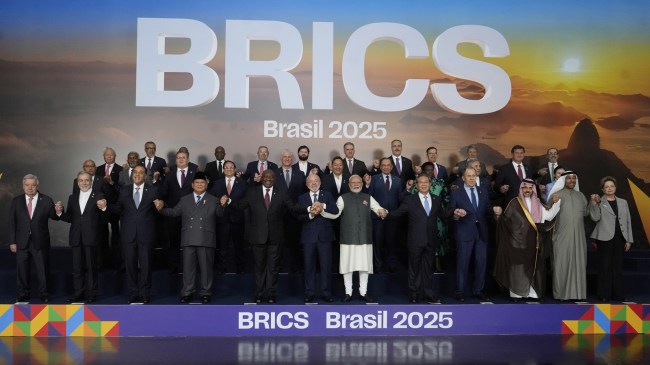 Prime Minister Narendra Modi during a group photograph with BRICS members, partners and outreach invitees in Rio de Janeiro, Brazil, on Monday. (PTI)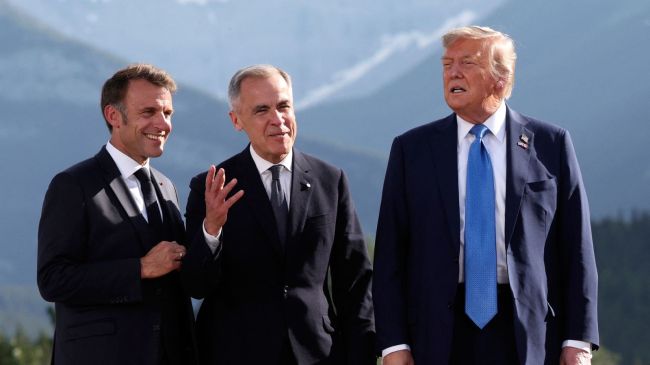

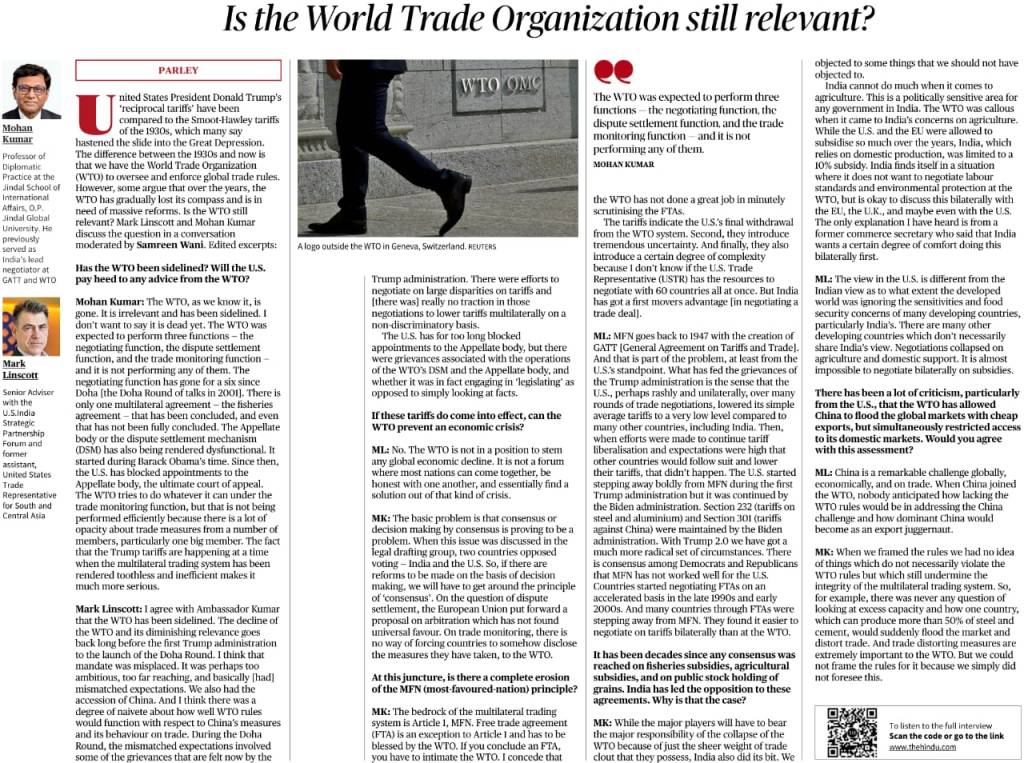

 Prime Minister Narendra Modi. (File)
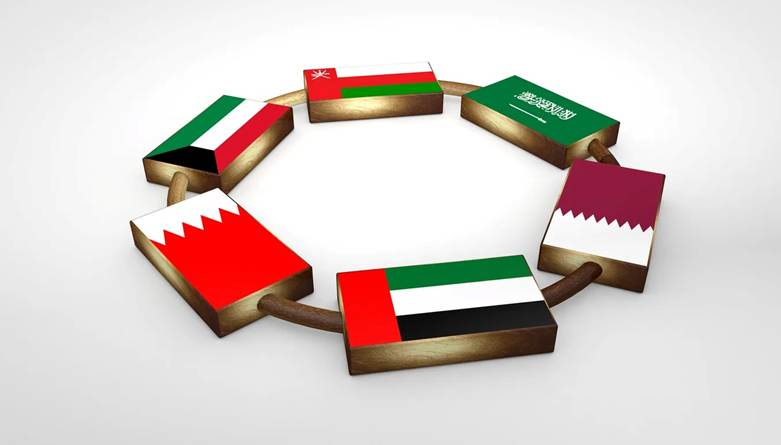

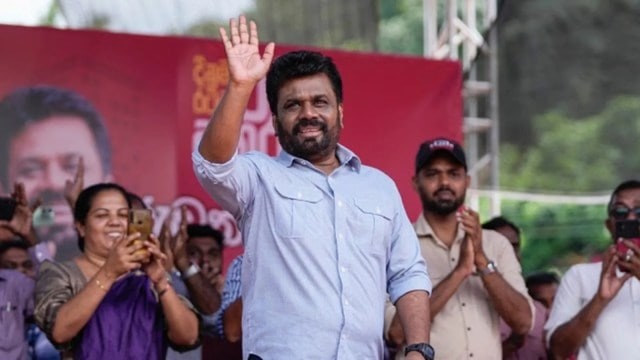 Sri Lankan President Anura Kumara Dissanayake
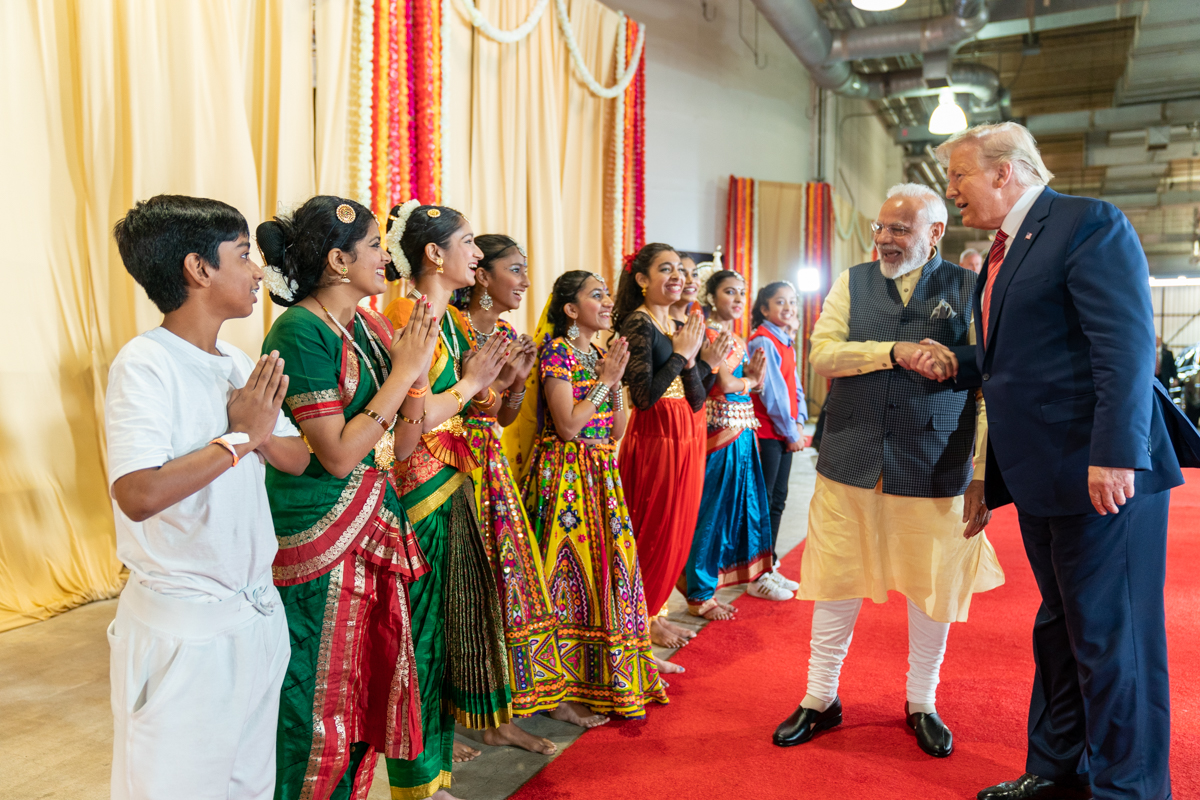


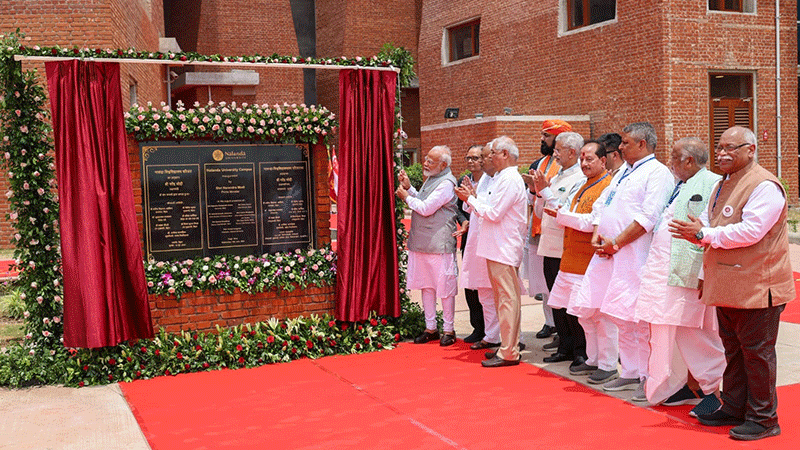



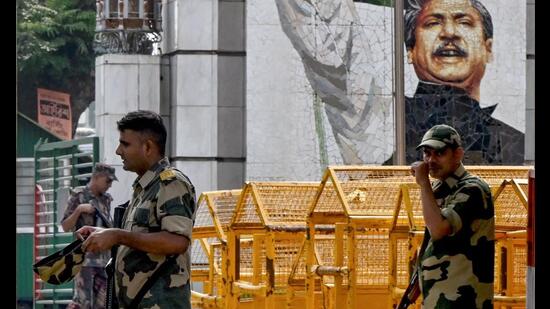

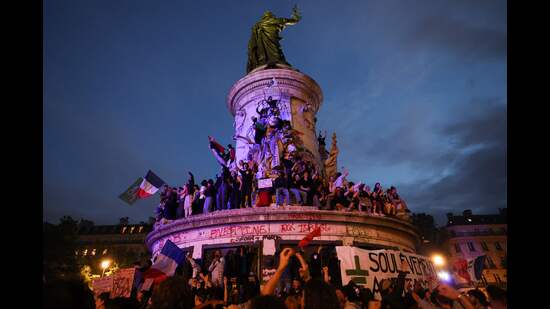
 French President Emmanuel Macron



 PREMIUMA shot from the time when Prime Minister Modi hosted the G20 Summit in Delhi in the month of September. The Summit was held at Bharat Mandapam in the national capital. The Summit witnessed the participation of prominent world leaders. India achieved a significant diplomatic victory following the G20 summit, where consensus was reached on a declaration despite notable disagreements concerning the Russia-Ukraine conflict. Prime Minister Narendra Modi emphasized the need to eliminate the ‘global trust deficit.’ Additionally, he announced the African Union as a permanent member of the G20.(PM Modi’s website)

 India’s growing prominence was epitomised at COP26 in Glasgow when Prime Minister Modi’s Panchamrit Action Plan and its long-term strategy for low-carbon development showed a new way forward for developing countries, writes Hardeep S Puri. (PTI photo)


 Diplomacy and Geopolitics
